
20 Essential Nepal Trekking Tips Every Traveler Should Know Before Visiting (2026 / 2027 Guide)
17th Jul, 2026
- himalayaheart
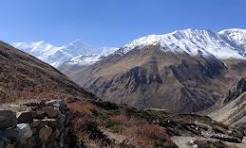
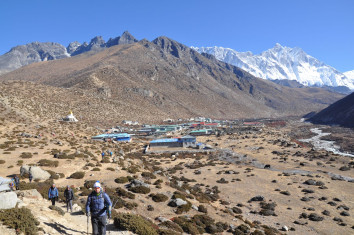
Nepal is home to eight of the world's fourteen highest mountains, including the legendary Mount Everest. Every year, thousands of adventurers travel to Nepal to experience breathtaking Himalayan landscapes, diverse cultures, ancient monasteries, and unforgettable trekking trails. Whether you're planning the Everest Base Camp Trek, Annapurna Circuit, Langtang Valley Trek, Manaslu Circuit Trek, or a short hike near Kathmandu, proper preparation is the key to a successful journey.
Table of Contents
If it's your first trek in Nepal, you may have many questions about permits, altitude, weather, packing, transportation, and hiring guides. This guide covers the 20 most essential Nepal trekking tips every traveler should know before visiting, helping you stay safe, comfortable, and fully enjoy your Himalayan adventure.
1. Choose the Right Trek for Your Fitness Level
Nepal offers treks suitable for beginners, intermediate hikers, and experienced mountaineers.
Before booking, consider:
- Trek duration
- Maximum altitude
- Daily walking hours
- Trail difficulty
- Previous hiking experience
For beginners, excellent choices include:
Experienced trekkers may prefer:
Choosing the right trek greatly improves your overall experience.
2. Pick the Best Season
The timing of your trek matters.
The two best trekking seasons are:
Spring (March–May)
- Rhododendron forests bloom
- Pleasant temperatures
- Excellent mountain views
Autumn (September–November)
- Crystal-clear skies
- Stable weather
- Best visibility
- Peak trekking season
Winter trekking is possible in lower elevations, while the monsoon season offers lush green landscapes but more rain and leeches in some regions.
3. Train Before You Arrive
You don't need to be an athlete, but good fitness makes trekking far more enjoyable.
Prepare at least 6–8 weeks before departure by:
- Walking regularly
- Hiking with a backpack
- Climbing stairs
- Cycling
- Strengthening your legs and core
Cardiovascular fitness helps significantly at high altitudes.
4. Pack Light but Smart
Many first-time trekkers overpack.
Your backpack should ideally weigh between 8–12 kg if carrying it yourself.
Essential items include:
- Waterproof trekking boots
- Warm jacket
- Thermal layers
- Rain jacket
- Trekking poles
- Headlamp
- Sunglasses
- Sunscreen
- Gloves
- Water bottles
- Power bank
Layering your clothing is much more effective than carrying bulky jackets.
5. Don't Underestimate Altitude
Altitude sickness is one of the biggest challenges in Nepal.
It can affect anyone, regardless of age or fitness.
Common symptoms include:
- Headache
- Nausea
- Dizziness
- Fatigue
- Difficulty sleeping
Never ignore these warning signs.
If symptoms worsen, descend immediately.
6. Acclimatization Is Essential
Many successful treks include planned acclimatization days.
For example:
- Namche Bazaar (Everest Region)
- Manang (Annapurna Circuit)
- Sama Gaun (Manaslu)
These rest days allow your body to adjust naturally to lower oxygen levels.
Never rush to higher elevations.
7. Stay Hydrated
Dehydration increases the risk of altitude sickness.
Drink:
- 3–4 liters of water daily
- Herbal tea
- Soup
Avoid excessive alcohol and limit caffeine while ascending.
Water purification tablets or filters are highly recommended.
8. Hire a Licensed Local Guide
A professional local guide enhances your trekking experience by providing:
- Navigation
- Safety
- Cultural insights
- Local knowledge
- Emergency assistance
Many restricted trekking regions legally require licensed guides.
Choosing a reputable local trekking company also supports Nepal's economy and local communities.
9. Understand Trekking Permits
Most trekking routes require permits.
Common permits include:
- TIMS Card (where applicable)
- Annapurna Conservation Area Permit (ACAP)
- Sagarmatha National Park Permit
- Langtang National Park Permit
- Manaslu Restricted Area Permit
Always verify current permit requirements before your trip.
10. Purchase Comprehensive Travel Insurance
Never trek in Nepal without travel insurance.
Your policy should cover:
- High-altitude trekking
- Emergency helicopter evacuation
- Medical treatment
- Trip cancellation
- Lost baggage
Medical evacuation in remote Himalayan regions can be very expensive.
11. Carry Enough Cash
ATMs are only available in larger towns like Kathmandu and Pokhara.
Most teahouses accept cash only.
Bring sufficient Nepalese Rupees for:
- Meals
- Drinks
- Charging electronics
- Hot showers
- Wi-Fi
- Tips
- Snacks
12. Respect Local Culture
Nepal is rich in traditions and religious heritage.
Show respect by:
- Asking permission before taking photos
- Dressing modestly in villages
- Walking clockwise around stupas
- Removing shoes before entering monasteries
Simple cultural awareness creates meaningful connections with local communities.
13. Expect Basic Accommodation
Most trekking routes offer cozy teahouses.
Facilities generally include:
- Twin-sharing rooms
- Shared bathrooms
- Dining halls
- Basic meals
- Limited electricity
Luxury lodges are available on selected routes like Everest and Annapurna.
14. Eat Fresh Local Food
Dal Bhat is the most popular trekking meal.
It provides:
- Rice
- Lentil soup
- Vegetables
- Pickles
- Curry
It is nutritious, filling, and often comes with unlimited refills.
Avoid raw foods and undercooked meat at higher elevations.
15. Protect the Environment
The Himalayas are incredibly fragile.
Help preserve them by:
- Carrying reusable water bottles
- Avoiding single-use plastics
- Packing out your trash
- Staying on marked trails
- Respecting wildlife
Responsible trekking protects Nepal's natural beauty for future generations.
16. Prepare for Limited Internet and Electricity
Higher mountain regions often have:
- Slow Wi-Fi
- Limited charging facilities
- Occasional power outages
Carry:
- Power banks
- Spare batteries
- Offline maps
- Downloaded travel documents
Disconnecting from technology is often one of the best parts of trekking.
17. Start Walking Early
Mountain weather changes quickly.
Most trekkers begin walking between 7:00 AM and 8:00 AM.
Benefits include:
- Better weather
- Safer river crossings
- More time to rest
- Clear mountain views
Afternoon clouds are common in many trekking regions.
18. Be Flexible With Your Schedule
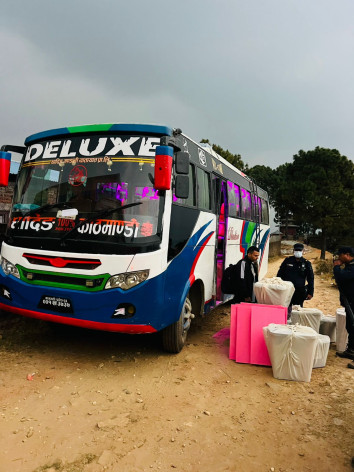
Flights to mountain airports like Lukla can be delayed due to weather.
Road conditions may also change during monsoon or winter.
Always include 1–2 extra buffer days in your Nepal itinerary to avoid international flight complications.
19. Learn a Few Nepali Words
Even a few local phrases make a big difference.
Useful expressions include:
- Namaste – Hello
- Dhanyabad – Thank you
- Ramro Cha – It's good
- Kati Ho? – How much?
Local people always appreciate visitors who make the effort to speak Nepali.
20. Book With a Trusted Local Trekking Company
Your trekking company plays an important role in your overall experience.
Look for companies that offer:
- Licensed guides
- Transparent pricing
- Positive reviews
- Emergency support
- Customized itineraries
- Ethical trekking practices
A reliable local operator can handle permits, logistics, accommodation, transportation, and safety, allowing you to focus entirely on enjoying the incredible landscapes of Nepal.
Companies such as Himalaya Heart Treks & Expedition provide personalized trekking experiences led by experienced local guides who know the mountains, culture, and trails inside and out.
Final Thoughts
Trekking in Nepal is more than just walking through the mountains—it's a journey through breathtaking landscapes, ancient traditions, welcoming villages, and life-changing experiences. With proper planning, the right equipment, and realistic expectations, your Himalayan adventure can become one of the most rewarding trips you'll ever take.
By following these 20 essential Nepal trekking tips, you'll be well-prepared to explore the Himalayas safely and confidently. Whether your dream is standing beneath the towering peaks of Everest, crossing the dramatic Larke La Pass, or enjoying the peaceful trails of Langtang, preparation is the foundation of a successful trek.
If you're looking for a trusted local trekking company, Himalaya Heart Treks & Expedition offers professionally guided trekking adventures across Nepal, including Everest, Annapurna, Langtang, Manaslu, Mustang, and many other spectacular destinations. With experienced local guides, personalized itineraries, and a strong commitment to safety and responsible tourism, your Himalayan journey will be both memorable and authentic.
Recent From Blog


.jpg)