
Last updated: August 16, 2026
Quick facts
Chisapani Nagarkot Trek 2026/27: duration is 3 Days, price starts from us$215 per person, difficulty is easy.
The Chisapani Nagarkot Trek is one of the most rewarding short trekking experiences in Nepal, offering an ideal combination of natural beauty, Himalayan scenery, local culture, and peaceful countryside trails. This trek is perfect for travelers who have limited time but still wish to experience the charm of trekking in Nepal. Organized by Himalaya Heart Treks, this journey provides an unforgettable escape from the busy city life of Kathmandu into the serene hills and traditional villages surrounding the valley.
This beautiful trekking route begins near the northern side of Kathmandu Valley and enters the peaceful forests of Shivapuri Nagarjun National Park. The national park is one of the richest natural areas near Kathmandu and is home to diverse wildlife, birds, dense forests, and fresh mountain landscapes. Walking through these forested trails allows trekkers to enjoy nature at its finest while listening to birdsong and breathing fresh Himalayan air.
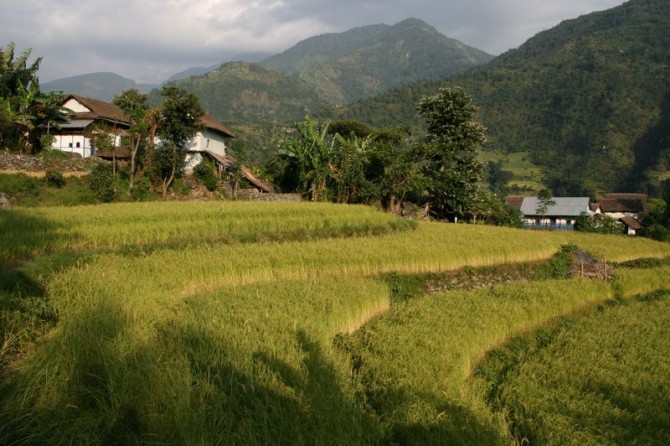
The trek passes through traditional settlements where visitors can experience the authentic lifestyle of local Tamang and Newar communities. Along the route, trekkers will witness terraced fields, stone houses, small monasteries, and friendly villagers living according to traditional Himalayan culture. This cultural interaction adds a special touch to the trekking experience and gives visitors a deeper understanding of rural Nepal.
Chisapani is one of the major highlights of the trek. This peaceful hill village is surrounded by green forests and offers impressive views of the surrounding hills and snow-capped mountains. The quiet atmosphere and natural surroundings make it an excellent place to relax and appreciate the beauty of Nepal’s countryside.
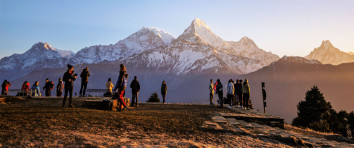
The journey continues towards the famous hill station of Nagarkot, which is widely known for its spectacular sunrise and panoramic Himalayan views. Nagarkot is among the best viewpoints near Kathmandu and offers breathtaking scenery of the Himalayan range. On clear days, trekkers may enjoy distant views of peaks including Mount Everest, Langtang, Ganesh Himal, Dorje Lakpa, Gaurishankar, and many other majestic mountains.
With Himalaya Heart Treks, the Chisapani Nagarkot Trek becomes more than just a short walking adventure. The company provides professional service, experienced trekking support, and warm Nepalese hospitality throughout the journey, ensuring a comfortable and memorable trekking experience.
This trek is suitable for beginners, families, nature lovers, photographers, and anyone seeking a short Himalayan adventure. The Chisapani Nagarkot Trek is truly one of the finest easy trekking experiences in Nepal, combining nature, culture, and mountain beauty in a short yet unforgettable journey.
| Trip Starts / Ends | Kathmandu |
| Duration | 3 Days |
| Difficulty | Easy to Moderate |
| Max Elevation | 2,175 m (Nagarkot) |
| Daily Trekking Hours | 4–7 hours |
| Accommodation | Lodge / Hotel |
| Group Size | 1+ |
| Best Season | March–May, September–November |
| Starting Price | USD 215 per person |
| Permits Required | Shivapuri Nagarjun National Park entry permit only — no TIMS card needed |
The Chisapani Nagarkot Trek is the most popular short trek near Kathmandu — a 3-day route that packs Himalayan sunrise views, dense national-park forest, and traditional hill villages into a trip that fits any travel schedule. Run by Himalaya Heart Treks, it's built for travelers who want the feel of a real Nepal trek without committing a week or more to it.
The route starts with a short drive to Sundarijal, on the northern edge of Kathmandu Valley, then climbs into Shivapuri Nagarjun National Park — one of the richest patches of forest left near the capital, home to langurs, over 300 bird species, and thick stands of oak and rhododendron. From here the trail reaches Chisapani, a hill settlement of Brahmin, Gurung, and Sherpa families at roughly 2,200 m, where clear-day views stretch to Langtang, Ganesh Himal, and occasionally Everest.
Day two continues along forested ridgelines and terraced farmland to Nagarkot (2,175 m), widely regarded as one of the best sunrise viewpoints in the Kathmandu Valley, with panoramas taking in Everest, Annapurna, Manaslu, and the Langtang range. The final day descends to Changu Narayan, the oldest Hindu temple in the valley and a UNESCO World Heritage Site, before a stop in medieval Bhaktapur and the drive back to Kathmandu.
Because it stays below 2,200 m, involves no technical terrain, and requires no special permits beyond a national park entry fee, this is one of the easiest ways to experience genuine Himalayan trekking — well suited to first-time trekkers, families, photographers, and anyone using it to acclimatize before a bigger climb.
Chisapani distance from Kathmandu: about 32 km northeast, inside Shivapuri Nagarjun National Park.
Nagarkot distance from Kathmandu: about 32 km east; roughly 1.5 hours by road once the trek is done.
Chisapani to Nagarkot trek distance: approximately 16–19 km on foot, depending on the exact trail taken — a route known for forest cover giving way to open Himalayan panoramas.
This trek is rated easy to moderate, making it accessible to hikers with little or no prior trekking experience. Trails are well marked, ascents are gradual, and the highest point — Nagarkot at 2,175 m — sits low enough that altitude sickness is rarely a concern. Basic fitness for 4–7 hours of daily walking is all that's needed.
Spring (March–May) and autumn (September–November) are the best seasons, with clear skies, comfortable temperatures, and the sharpest mountain views. Autumn tends to have the most reliable visibility; spring adds blooming rhododendron forests. Winter (December–February) is also walkable — cold mornings but often very clear skies — while the monsoon (June–August) is best avoided due to slippery trails and clouded views.
| Group Size | Cost per Person (USD) |
|---|---|
| 1 person | $215 |
| 2 people | $200 |
| 3–5 people | $175 |
| 6–10 people | $160 |
| 11–15 people | $150 |
A standard 3-day package — guide, accommodation, meals, and transport included — typically runs USD 150–250 per person, and the wider market range for 2026 sits between USD 100 and USD 425+ depending on trek length, group size, hotel standard, and inclusions. Larger groups bring the per-person cost down significantly, so it's worth traveling with friends where possible.
After breakfast, a roughly 40-minute drive takes you from Kathmandu to Sundarijal, the trailhead. From there the route climbs through oak and rhododendron forest inside Shivapuri Nagarjun National Park to Chisapani, a settlement of Brahmin, Gurung, and Sherpa families with sweeping Himalayan views. Overnight in a lodge.
Meals: Breakfast · Accommodation: Lodge
From Chisapani the trail continues through dense forest toward Nagarkot, one of the region's best-known viewpoints for Himalayan sunrise and sunset. Expect ridgeline walking and steadily opening views as you approach 2,175 m.
Meals: Breakfast · Accommodation: Lodge · Max Elevation: 2,175 m
A roughly 4-hour descent along a ridge leads to Changu Narayan, the oldest Hindu temple in the Kathmandu Valley, known for its intricately carved Tantric deities. A short drive continues to Bhaktapur — the "city of devotees" — for lunch among its brick-paved medieval streets, before returning to Kathmandu (about 1 hour) with a farewell meal in the evening.
Meals: Breakfast · Accommodation: Hotel · Max Elevation: 1,372 m
What is the Chisapani Nagarkot trekking distance? The trail between Chisapani and Nagarkot covers approximately 16–19 kilometers, depending on the exact route taken.
How long does the Chisapani Nagarkot Trek take? The trek typically takes 2 to 3 days, depending on pace and how long you linger at each stop; the standard Himalaya Heart Treks itinerary is 3 days.
What is the difficulty level of the Chisapani Nagarkot Trek? It's rated easy to moderate — well-marked trails, gradual ascents, and a max elevation of 2,175 m make it accessible to first-time trekkers and families.
When is the best time to do the Chisapani Nagarkot Trek? Spring (March–May) and autumn (September–November) offer the clearest skies and best mountain visibility; winter is also doable with warm layers, while monsoon (June–August) is best avoided.
How much does the Chisapani Nagarkot Trek cost in 2026? Prices typically range from USD 150 to USD 250 per person for a standard 3-day guided package, with the broader market spanning USD 100 to USD 425+ depending on group size, hotel standard, and inclusions. Himalaya Heart Treks starts at USD 215 for solo travelers, dropping to USD 150 per person for groups of 11–15.
Do I need a guide for the Chisapani Nagarkot Trek? A guide isn't strictly required since the trail is well-marked, but hiring one adds real value — local insight, help identifying the surrounding peaks, and a safer, smoother experience.
Is a TIMS card required for the Chisapani Nagarkot Trek? No. Because it's a short Kathmandu Valley route rather than a major Himalayan trekking region, no TIMS card is needed. Trekkers do need a Shivapuri Nagarjun National Park entry permit, priced at NPR 1,000 for foreigners, NPR 600 for SAARC nationals, and NPR 100 for Nepali citizens.
Is the Chisapani Nagarkot Trek suitable for beginners? Yes — it's one of the most beginner-friendly treks in Nepal, requiring only basic fitness and no prior trekking experience.
What is the maximum elevation reached during the trek? The highest point is Nagarkot at 2,175 m (7,201 ft), low enough that altitude sickness is rarely a concern.
What mountains can you see on the Chisapani Nagarkot Trek? On clear days you can see the Langtang range, Ganesh Himal, Gaurishankar, Dorje Lakpa, and — occasionally — Mount Everest, along with Annapurna and Manaslu from Nagarkot.
Are accommodation facilities available along the route? Yes. Teahouses and guesthouses in both Chisapani and Nagarkot offer basic amenities, hot meals, and in most cases hot showers and Wi-Fi.
What should I pack for the Chisapani Nagarkot Trek? Pack sturdy hiking boots, layered warm clothing, a rain jacket, a backpack, a water bottle or hydration system, a hat and sunscreen, and a camera for the mountain views.
What food is available during the trek? Standard teahouse fare — dal bhat, noodles, soups, momo, fried rice, and tea — is available throughout the route.
Can I do the Chisapani Nagarkot Trek in winter? Yes. December to February brings colder mornings and evenings but often the clearest skies of the year, so pack warm layers, a windproof jacket, and gloves.
Can I trek from Chisapani to Nagarkot year-round? Mostly, yes — the main exception is the monsoon season (June–August), when heavy rain makes trails slippery and obscures mountain views.
What wildlife might I see on the trek? Shivapuri Nagarjun National Park is home to various bird species and smaller mammals, with occasional sightings of deer or monkeys along the forested sections.
Is Nagarkot worth visiting? Yes — it's one of the most popular hill stations near Kathmandu, prized for sunrise, sunset, and Himalayan panoramas without requiring a long or difficult trek.
What is the starting point of the Chisapani Nagarkot Trek? Most itineraries start at Sundarijal, northeast of Kathmandu, reached by a short drive before the trail enters Shivapuri Nagarjun National Park toward Chisapani.
Can the trek be extended? Yes — the route commonly extends to Dhulikhel, Changunarayan, or Bhaktapur for travelers with an extra day or two.
Can porters be hired? Yes, porters can be arranged on request; Himalaya Heart Treks typically provides one porter per two trekkers.
What is the meaning of "Chisapani"? Chisapani means "cold water" in Nepali, from chiso (cold) and pani (water) — a fitting name for a cool hill settlement known for fresh mountain air and forest water sources on the northern rim of the Kathmandu Valley.
Why choose Himalaya Heart Treks for this trek? Professional, experienced guides; fair, transparent pricing; local expertise; and itineraries that can be customized to your dates and group size.
After breakfast we leave the hotel for the fourty minute drive to the start of our trek to Sundarijial. The trail leads upwards past small villages and through forests of oak and rhododendron of the Shivapuri National Park to the settlement of Chisopani for our first night. Chisapani is a small settlement of Brahmin, Gurung and Sherpa groups with fantastic views of the Himalayas. Overnight lodge.
After breakfast we leave our lodge and head to the hill station of Nagarkot, it takes approximately 7 hours mostly through lush dense forest. Nagarkot is one of the most scenic spots in the region, renowned for its sunrise and sunset views of the Himalayas.
After a good breakfast we trek down along a ridge to the temple of Changu Narayan (four hours). This temple is the oldest Hindu temple in the Kathmandu Valley and features some amazingly intricate carvings of Tantric deities. Our transport will pick us up from here to take us to Bhaktapur (city of devotees) a short ride away where we take lunch. Set almost in a time warped medieval setting, Bhaktapur with its narrow brick paved streets seems locked in centuries old beliefs and traditions that provide hidden treasures of some sort around every corner.After spending time here we take our car back to the hotel in Kathmandu (one hour).A farewell meal is arranged in the evening.
Trip duration: 3 Days
Choose any available date on the calendar to start your trip.
Pick a departure — your 3-day trip will be highlighted on the calendar.
This creates a private or flexible-date booking and does not join a fixed departure.
The trekking distance between Chisapani and Nagarkot is approximately 16 to 18 kilometers, depending on the exact route taken.
The trek typically takes 2 to 3 days, depending on your pace and how much time you spend at each location.
The best times to undertake this trek are during the spring (March to May) and autumn (September to November) seasons, when the weather is clear and views are at their best.
While the trail is well-marked and can be navigated without a guide, hiring one can enhance your experience as they provide insights into the local culture and help identify the Himalayan peaks you see along the way.
Essential items include comfortable trekking boots, layered clothing, a water bottle, sunscreen, a hat, and a first-aid kit. Don’t forget your camera for the stunning views!
Yes, there are several teahouses and guesthouses in Chisapani and Nagarkot where you can stay overnight. These offer basic amenities and sometimes hot meals.
Yes, this trek is considered moderate and is suitable for beginners. However, some level of physical fitness is required due to the distance and minor elevation gains.
Major attractions include panoramic views of the Himalayas, lush landscapes, local wildlife, and the opportunity to experience the culture of the rural communities along the way.
It is possible, but it’s best to avoid the monsoon season (June to August) due to heavy rains that can make the trails slippery and obscure the mountain views.
The region is home to various species of birds and smaller mammals. If you’re lucky, you might spot deer or monkeys along the forested trails.
The highest point reached during the Chisapani Nagarkot Trek is Nagarkot, which stands at 2,195 meters (7,201 feet) above sea level. This elevation provides stunning panoramic views of the Himalayas, including Mount Everest on clear days. The moderate altitude also means that the risk of altitude sickness is significantly lower, making the trek more comfortable for those who may be concerned about acclimatization issues.
No special permits are required for the Chisapani Nagarkot Trek, which makes it a hassle-free option for trekkers. Unlike many other treks in Nepal that require multiple permits, such as the TIMS card and conservation area permits, the Chisapani Nagarkot Trek is simpler to arrange. This ease of access adds to the appeal of the trek, particularly for those looking for a straightforward and stress-free trekking experience.
Packing appropriately for the Chisapani Nagarkot Trek is essential to ensure a comfortable and enjoyable experience. Key items to include in your packing list are:
The Chisopani Nagarkot Trek is a short and scenic Himalayan trek offering mountain views and cultural villages near Kathmandu.
The Chisopani Nagarkot Trek difficulty is easy to moderate, suitable for beginners and families.
You can see the Langtang Range, Gaurishankar, Dorje Lakpa, and sometimes Everest on clear days.
The best seasons for the Chisopani Nagarkot Trek are spring (March–May) and autumn (Sept–Nov).
Yes, the Chisopani Nagarkot Trek is very safe, especially with expert guides from Himalaya Heart Treks.
You can eat Dal Bhat, noodles, soups, momo, fried rice, and tea house meals on the trek.
No, altitude sickness is rare on the Chisopani Nagarkot Trek since the trek stays below 2,200m.
Yes, Wi-Fi is available in most lodges along the Chisopani Nagarkot route.
Yes, many tea houses offer hot showers.
Yes, Nagarkot sunrise is one of the highlights of the trek.
Pack comfortable clothes, jacket, rain gear, snacks, and a water bottle.
Yes, you can extend the route to Dhulikhel, Changunarayan, or Bhaktapur.
The trek is moderately busy during peak seasons.
Yes, the Chisopani Nagarkot Trek is suitable even without trekking experience.
Nagarkot is about 1.5 hours by road from Kathmandu.
Yes, porters can be arranged upon request.
Yes, many trekkers use the Chisopani Nagarkot Trek for acclimatization.
Yes, it offers amazing sunrise, landscapes, villages, and Himalayan views.
A guide is recommended, and Himalaya Heart Treks provides experienced guides.
We offer professional guides, fair pricing, local expertise, and customized itineraries.
Yes, it is one of the best short treks near Kathmandu for travelers with limited time.
No, a TIMS card is generally not required for the Chisapani Nagarkot Trek because this is a short Kathmandu Valley trek, not a major Himalayan trekking route. However, trekkers usually need a Shivapuri Nagarjun National Park entry permit because the route commonly starts through Sundarijal and Shivapuri National Park. Nepal Tourism Board lists Shivapuri Nagarjun National Park entry fees as NPR 1,000 for foreigners, NPR 600 for SAARC nationals, and NPR 100 for Nepali citizens per entry.
Chisapani means “cold water” in Nepali. The word comes from “chiso,” meaning cold, and “pani,” meaning water. The name is suitable because Chisapani is a cool hill settlement known for fresh mountain air, forest trails, and water sources near the northern rim of Kathmandu Valley.
Yes, you can do the Chisapani Nagarkot Trek in winter. December, January, and February are colder, especially in the morning and evening, but the trail is still manageable for most hikers. Winter often brings clear skies, which makes it a good season for Himalayan views from Chisapani and Nagarkot. Pack warm layers, a windproof jacket, gloves, and comfortable hiking shoes.
The Chisapani Nagarkot Trek cost in 2026 usually ranges from USD 100 to USD 425+ per person, depending on trek duration, group size, hotel standard, meals, guide service, transport, and inclusions. Some budget 2-day packages start around USD 109, while 3-day guided packages commonly range from USD 150 to USD 225+ per person. Private or premium packages can cost more.
The most common starting point of the Chisapani Nagarkot Trek is Sundarijal, which is located northeast of Kathmandu. From Sundarijal, the trail enters Shivapuri Nagarjun National Park and climbs through forest and local settlements toward Chisapani. Many itineraries begin with a short drive from Kathmandu to Sundarijal before starting the hike.
Yes, Nagarkot is worth visiting, especially for sunrise, sunset, and Himalayan mountain views near Kathmandu. It is one of the most popular hill stations in Nepal because travelers can enjoy panoramic views without doing a long or difficult trek. On clear days, Nagarkot offers views of several Himalayan ranges and is a great final stop after the Chisapani trek.


See what travelers say about our service

Enjoy the popular trekking and tour packages in Nepal Himalayas. 2026.
Nepal , Short & Easy Treks in Nepal
Family Sightseeing Trek Around KathmanduNepal , Short & Easy Treks in Nepal
Short Ghorepani Poon Hill Trek 2026/2027Nepal , Short & Easy Treks in Nepal
Nepal Heritage Temples Tour & Kathmandu Valley Rim Trek 2026/2027Nepal , Short & Easy Treks in Nepal
Expert Nepal Tour Packages



Copyright ® Himalaya Heart Treks & Expedition Pvt Ltd


Mikal
Germany
21st May, 2023
DAY Hiking
Apr 2023 • Couples
We were traveling in Kathmandu, Nagarkot and Bakthapur in April. Our guide was Hari (Yan Pd. Timalsina). The trip was perfectly organized. Starting from picking us up from the airport to bringing us back to the airport. Hari was always there for us, very attentive, always on time and extremely friendly and helpful. We felt very well taken care of by him.
We can definitely recommend Himalaya Heart Treks & Expeditions and especially Hari as a guide.
Connector58639007639
Canada
20th August, 2023
Nepal tour
Excellent trip from before arriving to the last day. Fast and reliable communication from Thakur while booking the trek. My guide Hari provided outstanding service from picking me up at the airport, through the3 day Hike around kathmandu, to my departure. Hari had my safety in mind. smoothly and as a solo traveller I felt comfortable and safe. Every aspect of the trip was organised and planed to perfection. I enjoyed each moment even the difficult ones due to Hari’s assistance and expertise in the mountains.will we walk.
Hans S
Switzerland
20th August, 2023
Amazing short holiday
Me and my friend went for short Hike aroumd kathmandu Scenery's we've never seen before. Our guide Hari was Amazing he know everything. we had gret views too. we relly enjoy tirp we are looking forword to doing another hard than this trek with himalaya heart trek guide as a Hari thank you for everything hari and all team
Namaste
Jeffe
Malaysia
21st August, 2023
It was Great fun
Thank you for Amazing Trip
i am really enjoy trip your company your guide know everything about culture and himalayas i will recommande families and friends also i will be back for another adventure with your company.
Christina
United Kingdom
2nd May, 2025
Cmazing Chisapani Nagarkot Trek
We could not have asked for a better trek and guide in Hari. The trek itself was filled with stunning views and scenery. And though weather on occasion made it a little more challenging it made it feel like such an achievement reaching base camp. Hari could not have been more attentive, knowledgeable and patient. I would 100% recommend Himalaya Heart Treks and Expeditions. (Ask for Hari - the best guide!) one of the best short trek in near kathmandu valley called chisopani nagarkot trek
PrashM
Germany
2nd May, 2025
Best view from nagarkot
Being my first visit to Nepal,i have been short trek around kathmandu chisopani nagarkot trek I am pleased with the service offered by Hari who was an excellent guide. Throughout the time, he was always available for any queries about the places and local culture (I had plenty), recommended food in preparation for the next trek, very flexible and above all was a great friend. I would definitely recommend and will be keen to use your service again. thanks sittal and hari
Nicolevela
Switzerland
2nd May, 2025
Two Day Nagarkot Tour
We were so happy to have these folks help us with our trip planning while we were in Nepal.One day we did a Kathmandu Valley tour and our driver was wonderful and very patient. Then we did a two day tour of Nagarkot. It was beautiful. Our guide was Durga and he was excellent. I highly recommend him. He was helpful, had great things to say and has 10 years of experience in the industry. Request him! We had a good time on the trip.
Himalaya Heart also booked our bus tickets for us, round trip from Kathmandu to Pohkara. We had heard that this would be a long & uncomfortable experience from travel blogs...but definitely not the case! They booked our tickets with a wonderful bus company. The bus had AC and we got lunch included each way if the tour. We were pleasantly surprised.
Michel
Australia
11th December, 2025
Chisopani–Nagarkot Trekking with Himalaya Heart Trek
My Chisopani–Nagarkot trekking experience with Himalaya Heart Trek was absolutely wonderful. From start to finish, everything was beautifully organized, comfortable, and memorable. The highlight of the trip was definitely our guide, Hari, whose professionalism, warmth, and deep knowledge of the region made the journey extra special.
Hari was incredibly friendly and patient, always checking to make sure we were comfortable and enjoying every moment. He explained the trekking routes, local culture, mountain views, and daily schedule in a way that made the experience meaningful. His sense of humor and positive attitude kept the whole trek enjoyable, even during the uphill sections!
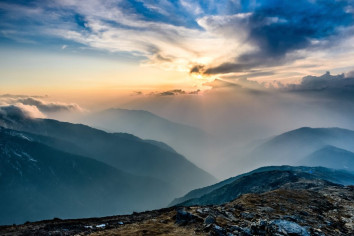
The trek itself was stunning—lush forests, peaceful trails, charming villages, and breathtaking Himalayan views from both Chisopani and Nagarkot. Watching the sunrise over the snow-capped peaks was unforgettable.
The team at Himalaya Heart Trek handled everything smoothly—from permits to accommodation to meals—making it stress-free and relaxing. I felt well taken care of at every step.
If you are looking for a short and scenic trek near Kathmandu, I highly recommend the Chisopani–Nagarkot trek with Himalaya Heart Trek. And if you can, definitely ask for Guide Hari—he turns a good trek into a great one!
Richard M
Australia
11th December, 2025
Chisopani–Nagarkot Trekking with Himalaya Heart Trek
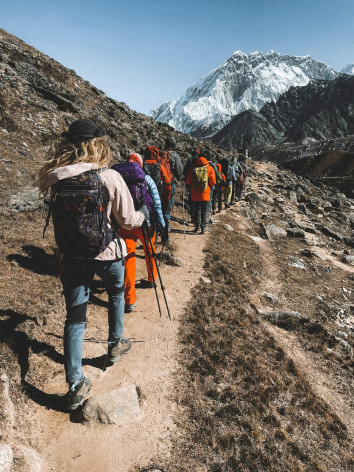
Our group of 16 trekkers had an unforgettable Chisopani–Nagarkot trekking experience with Himalaya Heart Trek. Managing a big group is never easy, but the team handled everything with impressive coordination and professionalism. A huge part of our great experience goes to our guide, Hari, who led us with confidence, kindness, and genuine care.
Despite the size of our group, Hari made sure everyone was comfortable, motivated, and enjoying the journey. He set the perfect pace, looked after every member, and shared amazing insights about the local culture, mountains, and trails. His friendly nature and positive energy kept our whole team connected and cheerful throughout the trek.
The trek itself was beautiful—dense forests, traditional villages, peaceful trails, and magnificent sunrise views from both Chisopani and Nagarkot. Even with a larger group, the logistics were smooth. Himalaya Heart Trek arranged everything perfectly, from transportation and meals to lodge accommodations, making our experience stress-free.
For anyone planning a short and scenic trek near Kathmandu, we highly recommend Himalaya Heart Trek. And if you want a guide who can handle both small and big groups with equal dedication, Hari is the best choice.
Richard M
Australia
11th December, 2025
Chisopani–Nagarkot Trekking with Himalaya Heart Trek
Our group of 16 trekkers had an unforgettable Chisopani–Nagarkot trekking experience with Himalaya Heart Trek. Managing a big group is never easy, but the team handled everything with impressive coordination and professionalism. A huge part of our great experience goes to our guide, Hari, who led us with confidence, kindness, and genuine care.
Despite the size of our group, Hari made sure everyone was comfortable, motivated, and enjoying the journey. He set the perfect pace, looked after every member, and shared amazing insights about the local culture, mountains, and trails. His friendly nature and positive energy kept our whole team connected and cheerful throughout the trek.
The trek itself was beautiful—dense forests, traditional villages, peaceful trails, and magnificent sunrise views from both Chisopani and Nagarkot. Even with a larger group, the logistics were smooth. Himalaya Heart Trek arranged everything perfectly, from transportation and meals to lodge accommodations, making our experience stress-free.
For anyone planning a short and scenic trek near Kathmandu, we highly recommend Himalaya Heart Trek. And if you want a guide who can handle both small and big groups with equal dedication, Hari is the best choice.
Luna
France
11th December, 2025
Amazing trip
I completed the Chisopani–Nagarkot trek as a solo traveler, and trekking with Himalaya Heart Trek and my guide Ram made the experience absolutely exceptional. From the very beginning, Ram was friendly, calm, and incredibly supportive—exactly the type of guide a solo trekker hopes to have.
Ram made sure I felt safe, comfortable, and confident throughout the entire journey. He walked at a perfect pace, checked in regularly, and shared fascinating stories about the mountains, local traditions, and the trekking routes. His warm personality and sense of responsibility made the trek feel both enjoyable and reassuring.
The trail from Chisopani to Nagarkot was peaceful and scenic, with beautiful forests, traditional villages, and stunning sunrise views. As a solo traveler, having a guide like Ram who understood when to give space and when to offer company made the journey even more meaningful.
Everything arranged by Himalaya Heart Trek—permits, accommodations, meals—was handled smoothly and professionally. I didn’t have to worry about anything; all I had to do was enjoy the trek.
I highly recommend the Chisopani–Nagarkot trek for solo travelers, and if you want a guide who is kind, attentive, and completely dependable, Ram is an excellent choice.
Ron
Poland
11th December, 2025
It was great trip with Himalaya heart treks
My wife and I had an amazing experience trekking from Chisopani to Nagarkot with Himalaya Heart Trek, guided by Ram, who made our journey truly special. As a couple, we were looking for a peaceful, scenic, and well-organized short trek near Kathmandu—and this trip exceeded our expectations.
From the beginning, Guide Ram took excellent care of both of us. He was patient, friendly, and very understanding of our pace and interests. He made sure we were comfortable throughout the trek, took beautiful photos for us, and shared wonderful insights about the local culture, forests, mountains, and villages along the route. His calm and caring nature made the trek feel relaxed and enjoyable.
The trail was perfect for couples—quiet paths, charming villages, and stunning Himalayan views. The sunrise from Nagarkot was especially unforgettable, a moment we will cherish forever.
The entire trip was smoothly organized by Himalaya Heart Trek—accommodations, meals, permits, and logistics were all handled professionally, allowing us to focus simply on enjoying quality time together in nature.
If you’re planning a short and scenic trek with your partner, we highly recommend the Chisopani–Nagarkot trek with Himalaya Heart Trek. And trekking with Guide Ram made our journey even more memorable.