Last updated: August 19, 2026
Quick facts
Nar Phu Valley Trek: duration is 11, price starts from us$1,150 per person, difficulty is hard.
Nar Phu Valley Trek is one of the most remote and culturally rich trekking adventures in Nepal. Hidden behind the famous Annapurna region, the ancient valleys of Nar and Phu offer a journey into untouched Himalayan landscapes, medieval Tibetan culture, dramatic mountain scenery, and peaceful villages far from crowded trekking trails. Himalaya Heart Treks proudly invites trekkers from around the world to explore this hidden gem of the Nepal Himalayas with our experienced local guides and personalized service.
The Nar Phu Valley remained restricted to foreign trekkers for many years, which helped preserve its unique traditions, ancient monasteries, and authentic lifestyle. During the trek, travelers pass through deep gorges, narrow canyons, suspension bridges, yak pastures, alpine forests, and high mountain deserts surrounded by snow-covered peaks. The region feels wild, peaceful, and completely different from the more commercial trekking routes of Nepal.
The journey usually begins from Kathmandu with a scenic drive to the Annapurna region. The trail follows part of the Annapurna Circuit before entering the restricted Nar Phu Valley through Koto village. From here, the adventure becomes more isolated and culturally fascinating. Trekkers gradually ascend through remote settlements where local people still practice Tibetan Buddhist traditions that have remained unchanged for centuries.
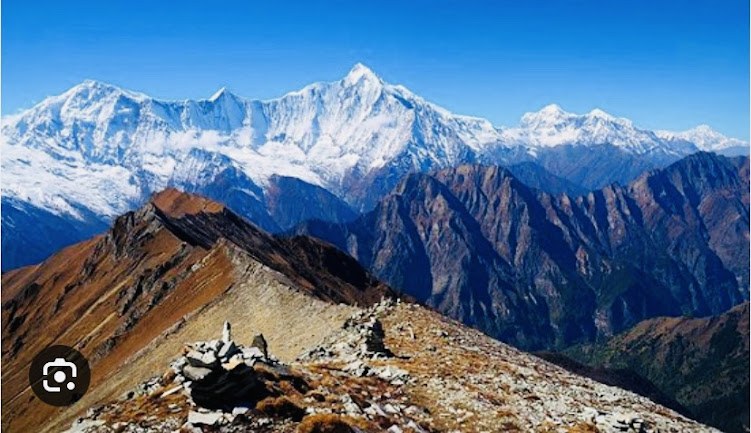
Phu Village is one of the highlights of the trek. This ancient stone village sits dramatically beneath towering cliffs and offers incredible views of Himlung Himal, Kang Guru, and other Himalayan giants. Visitors can explore the historic Tashi Lhakhang Monastery, believed to be one of the oldest monasteries in the region. The peaceful atmosphere, prayer flags, mani walls, and traditional mud-brick houses create an unforgettable Himalayan experience.
After exploring Phu, the trek continues toward Nar Village, another beautiful Tibetan-style settlement surrounded by spectacular mountain scenery. The people of Nar and Phu are known for their warm hospitality and strong cultural identity. Spending time in these villages allows trekkers to experience authentic Himalayan life, local customs, yak herding culture, and Buddhist spirituality.
One of the most exciting parts of the Nar Phu Trek is crossing Kang La Pass at 5,322 meters. From the top of the pass, trekkers are rewarded with breathtaking panoramic views of the Annapurna range, Tilicho Peak, Gangapurna, and the surrounding Himalayan landscapes. The crossing is challenging but highly rewarding and adds real adventure to the journey.
The Nar Phu Trek is ideal for trekkers seeking off-the-beaten-path experiences, cultural immersion, and dramatic mountain scenery. Unlike crowded trekking routes, this trail offers peace, solitude, and a deeper connection with nature and local communities. The trek combines adventure, high mountain passes, Tibetan culture, and stunning Himalayan beauty in one unforgettable journey.
Himalaya Heart Treks provides professional trekking guides, reliable porters, carefully planned itineraries, and personalized support throughout the trek. Our experienced team focuses on safety, comfort, cultural understanding, and authentic local experiences. We arrange all necessary permits, transportation, accommodations, and logistics to ensure a smooth and memorable trekking holiday in Nepal.
Join Himalaya Heart Treks for the incredible Nar Phu Trekking adventure and discover one of Nepal’s last hidden Himalayan valleys, where ancient traditions, untouched nature, and breathtaking mountain views create memories that last a lifetime.
Accommodation on the Nar Phu Valley Trek is provided through local teahouses, becoming more basic as you climb higher. Lower sections near Koto and Meta offer twin-sharing rooms with basic bedding, though hot showers cost extra. Deeper in Nar and Phu, expect simple stone-built lodges with shared bathrooms and minimal insulation, so a warm sleeping bag is essential.
Meals center around hearty staples like dal bhat, noodle soups, momos, and porridge, with hot drinks such as tea and Tibetan butter tea widely available. Food variety narrows at higher altitudes, so carrying extra snacks is wise. Bottled water becomes scarce and pricey higher up, making a water filter or purification tablets a smart choice. Overall, while far simpler than the Everest or Annapurna Circuit routes, the food and lodging here are authentic, comfortable enough to recover each night, and true to the trek's remote, off-the-beaten-path spirit.
1. A Restricted, Off-the-Beaten-Path Adventure – Since Nar Phu only opened to foreign trekkers in the early 2000s, expect trails with far fewer crowds than the Annapurna Circuit or Everest Base Camp, and villages that still feel genuinely untouched by mass tourism.
2. Deep Tibetan Buddhist Culture – You'll pass through the ancient villages of Nar and Phu, where stone houses, prayer flags, and monasteries like Tashi Lhakhang reflect centuries-old Tibetan traditions rather than typical lowland Nepali culture.
3. Dramatic, Changing Landscapes – The trail moves through narrow gorges, cliffside trails, alpine forests, and high-altitude desert scenery, with the terrain shifting noticeably as you climb deeper into the valley.
4. Sustained High-Altitude Trekking – Expect multiple nights above 4,000 meters, including stays in Phu (4,080 m) and Nar (4,110 m), so gradual acclimatization becomes part of the daily rhythm of the trek.
5. A Licensed Guide by Your Side at All Times – Because Nar Phu is a government-designated Restricted Area, you'll always trek with a licensed guide — expect steady support with navigation, permits, pacing, and safety decisions throughout.
6. The Challenging Kang La Pass Crossing – The toughest single day of the trek, requiring 9–10 hours of strenuous walking with significant elevation gain and loss, rewarded with sweeping panoramic views of the Annapurna range.
7. Basic but Authentic Teahouse Accommodation – Expect simple lodges with limited hot showers, basic heating, and modest meals, especially at higher elevations — comfort is minimal, but hospitality is warm.
8. Cold Temperatures and Variable Weather – Nights can drop well below freezing, particularly near Kang La Phedi, so expect a noticeable temperature swing between daytime walking and evening camp.
9. Limited Connectivity and Cash-Only Transactions – Expect little to no Wi-Fi or mobile signal in the deeper sections of the valley, and no ATMs along the route, so carrying sufficient Nepalese Rupees in advance is essential.
10. A Rare Sense of Solitude in the Himalayas – Perhaps most memorably, expect long stretches of trail where you may not encounter another trekking group at all — a genuinely rare experience in Nepal's increasingly popular trekking regions.
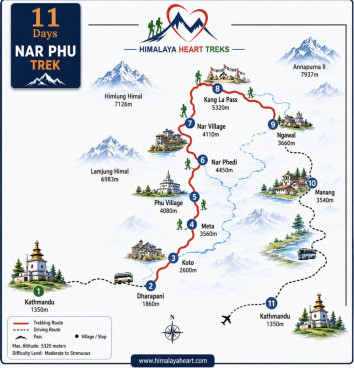
| Day | Route | Altitude (m) | Altitude (ft) |
|---|---|---|---|
| Day 1 | Arrival in Kathmandu – Airport Pick Up | 1,400 m | 4,593 ft |
| Day 2 | Drive from Kathmandu to Dharapani | 1,860 m | 6,102 ft |
| Day 3 | Trek from Dharapani to Koto | 2,600 m | 8,530 ft |
| Day 4 | Trek from Koto to Meta | 3,560 m | 11,680 ft |
| Day 5 | Trek from Meta to Phu Village | 4,080 m | 13,386 ft |
| Day 6 | Trek from Phu to Nar Phedi | 3,490 m | 11,450 ft |
| Day 7 | Trek from Nar Phedi to Nar Village | 4,110 m | 13,484 ft |
| Day 8 | Trek via Kang La Pass to Ngawal | 5,320 m (pass) → 3,660 m (Ngawal) | 17,454 ft (pass) → 12,008 ft (Ngawal) |
| Day 9 | Trek from Ngawal to Manang | 3,540 m | 11,614 ft |
| Day 10 | Drive from Manang to Kathmandu | 1,400 m | 4,593 ft |
| Day 11 | Final Departure – Airport Drop | 1,400 m | 4,593 ft |
Altitude: 1,400m / 4,593ft
Welcome to Kathmandu, the capital city of Nepal. Upon your arrival at Tribhuvan International Airport, a representative from Himalaya Heart Treks & Expedition will warmly welcome you and transfer you to your hotel in Thamel. After check-in, you can rest or explore the lively streets of Kathmandu filled with temples, cafes, and trekking shops. Overnight at hotel.
Altitude: 1,860m / 6,102ft
Early in the morning, you begin a scenic drive toward the Annapurna region. Passing through rivers, terraced hills, waterfalls, and mountain villages via Besisahar, you finally arrive at Dharapani. This beautiful village lies on the famous Annapurna Circuit trail. Overnight at tea house.
Duration: 5–6 Hours
Altitude: 2,610m / 8,563ft
Today’s trail passes through pine forests, suspension bridges, and traditional villages such as Bagarchhap and Danaque. Along the way, you can enjoy beautiful views of Lamjung Himal and surrounding peaks. After a pleasant walk, you reach Koto, the entrance to the remote Nar Phu Valley. Overnight at tea house.
Duration: 7–8 Hours
Altitude: 3,560m / 11,680ft
After permit registration at the checkpoint, the trail enters the restricted Nar Phu region. The route follows narrow canyons, forests, waterfalls, and rocky trails beside the river. The scenery becomes more wild and dramatic as you climb toward Meta village. Overnight at tea house.
Duration: 6–7 Hours
Altitude: 4,080m / 13,386ft
The trail today offers amazing Himalayan scenery with ancient chortens, mani walls, and Tibetan-style settlements. Walking through remote landscapes and narrow valleys, you finally reach the beautiful village of Phu, surrounded by towering cliffs and mountains. Overnight at tea house.
Duration: 5–6 Hours
Altitude: 3,490m / 11,450ft
After exploring Phu village and its historic monastery, the trail descends through rugged landscapes and river valleys. Crossing suspension bridges and ancient pathways, you arrive at the peaceful monastery settlement of Nar Phedi. Overnight at monastery lodge or tea house.
Duration: 3–4 Hours
Altitude: 4,110m / 13,484ft
Today is a shorter trekking day with a gradual climb toward Nar village. The route passes prayer flags, yak pastures, and beautiful mountain scenery. Nar village is an ancient Tibetan-style settlement rich in culture and tradition. Overnight at tea house.
Today is the most adventurous day of the trek. Early in the morning, you climb toward Kang La Pass, one of the most scenic high passes in the Annapurna region. From the top, enjoy breathtaking views of Annapurna II, Gangapurna, Tilicho Peak, and surrounding mountains. After crossing the pass, descend carefully to Ngawal village. Overnight at tea house.
A scenic and relatively easy trekking day through traditional villages and beautiful Himalayan landscapes. The trail offers excellent mountain views before arriving at Manang, a famous village in the Annapurna Circuit known for its Tibetan culture and stunning scenery. Overnight at tea house.
After breakfast, begin the long scenic drive back to Kathmandu through mountain roads, rivers, waterfalls, and rural villages. Upon arrival in Kathmandu, transfer to your hotel and enjoy free time for shopping or relaxation. Overnight at hotel.
According to your flight schedule, a representative from Himalaya Heart Treks & Expedition will transfer you to Tribhuvan International Airport for your final departure. We hope you leave Nepal with unforgettable memories of the Himalayas and look forward to welcoming you again for your next adventure.
Trip duration: 11 Days
Choose any available date on the calendar to start your trip.
Pick a departure — your 11-day trip will be highlighted on the calendar.
This creates a private or flexible-date booking and does not join a fixed departure.
The Nar Phu Valley Trek is rated moderate to challenging. While the daily altitude gain is gradual compared to routes like Everest Base Camp, sustained high altitude, remoteness, and the demanding Kang La Pass crossing make it tougher than a beginner-level trek.
Costs typically range from $800 to over $2,800 per person depending on group size, itinerary length, and service level, with most standard 11–13 day packages falling between $1,100 and $1,550 per person.
You need a Restricted Area Permit (RAP) and an Annapurna Conservation Area Permit (ACAP). Both must be processed through a registered trekking agency, as independent applications aren't accepted for restricted areas.
No. Nar Phu is an officially designated Restricted Area, so a licensed guide is legally mandatory for all trekkers — solo, independent trekking is not permitted.
Autumn (September–November) is the best season for clear skies and stable weather, followed by spring (March–May). Winter is possible but harder, and monsoon (June–August) is not recommended.
Itineraries typically range from 10 to 16 days, with the classic route lasting 11–13 days depending on acclimatization stops and whether you extend into the Annapurna Circuit.
The highest point is Kang La Pass at 5,320 meters (17,454 ft), typically crossed around the midpoint of the trek.
It's generally not recommended for complete first-time Himalayan trekkers. Prior experience on a trek like the Annapurna Circuit is advised due to the altitude, remoteness, and Kang La Pass crossing.
Most agencies require a minimum of 2 trekkers to process the Restricted Area Permit, though solo travelers can often be paired with another trekker or guide.
Accommodation is in local teahouses and lodges, becoming more basic at higher elevations — expect simple rooms, shared bathrooms, and limited hot showers, especially in Nar and Phu villages.
Yes, since multiple nights are spent above 4,000 meters. However, the gradual altitude gain compared to other Himalayan routes generally makes acclimatization more manageable with a properly paced itinerary.
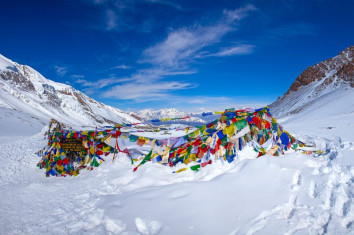
Yes, many trekkers extend their journey to include the Annapurna Circuit and Thorong La Pass, or add a side trip to Tilicho Lake, since the routes connect near Ngawal or Manang.
Essentials include layered clothing, a four-season sleeping bag, microspikes (for snow season), a water filter or purification tablets, and sufficient Nepalese Rupees, since there are no ATMs along the route.
Yes, travel insurance with high-altitude helicopter evacuation coverage is strongly recommended given the trek's remoteness and elevation.
Nar Phu offers a more remote, culturally immersive experience with fewer crowds, but it costs more due to restricted area permits and mandatory guides, whereas the Annapurna Circuit is more developed, less expensive, and allows independent trekking.
Autumn (September to November) – Best Overall Season
Autumn is the most popular and reliable season for the Nar Phu Valley Trek. Skies are clear, weather is stable, and visibility is at its best — ideal conditions for crossing the high Kang La Pass safely and enjoying uninterrupted views of the Annapurna range. This is also peak permit season, with Restricted Area Permit fees slightly higher to reflect the ideal trekking conditions.
Spring (March to May) – Second-Best Choice
Spring offers moderate temperatures and blooming rhododendrons in the lower valleys, along with generally good visibility for most of the trek. It's a great alternative to autumn, though late-season snow can occasionally linger at Kang La Pass, so trekkers should stay flexible and check conditions with their guide before the crossing.
Winter (December to February) – Possible, but Challenging
Winter trekking in Nar Phu Valley is possible but comes with added difficulty. Snow accumulation can make the Kang La Pass crossing significantly harder, sometimes requiring microspikes or crampons. Nights are also considerably colder at higher elevations, so this season is best suited to well-prepared, experienced trekkers.
Monsoon (June to August) – Not Recommended
Monsoon season is the least favorable time for this trek. Heavy rainfall, landslide risk, and slippery, unstable trails make the journey both uncomfortable and unsafe. Most trekking agencies, including Himalaya Heart Treks & Expedition, advise against booking a Nar Phu Valley Trek during these months.
Bottom line: For the best balance of safety, scenery, and a successful Kang La Pass crossing, autumn (September–November) is the top recommendation, with spring (March–May) as a strong second choice.
The Nar Phu Valley Trek is rated moderate to challenging, making it a step up from beginner-level treks but still achievable for reasonably fit trekkers with proper preparation. Difficulty comes less from any single obstacle and more from a combination of remoteness, sustained altitude, and one demanding high-pass crossing.
Altitude and Acclimatization
You'll spend multiple nights above 4,000 meters, including stops in Phu Village (4,080 m) and Nar Village (4,110 m). Compared to routes like Everest Base Camp, the daily altitude gain into Nar Phu is actually more gradual — Koto sits at just 2,600 m, a gentler entry point than flying directly into Lukla. Still, the cumulative time spent at high elevation means acclimatization days are essential, and altitude sickness remains a genuine risk if the itinerary is rushed.
The Kang La Pass Crossing
This is the single toughest day of the trek. Crossing Kang La Pass (5,320 m) typically requires 9–10 hours of strenuous walking, with significant elevation gain and loss in one push. Good cardiovascular fitness and leg strength are essential for this day, and snow conditions can add extra difficulty in winter or early spring.
Remoteness and Basic Infrastructure
Unlike the Annapurna Circuit or EBC route, Nar Phu offers minimal infrastructure. Teahouses are simple, hot showers are limited, food variety narrows at higher elevations, and there's no cell signal or ATM access once you're deep in the restricted zone. This adds a mental and logistical challenge on top of the physical demands.
Daily Walking Demands
Most days involve 5 to 7 hours of walking over rugged, sometimes steep terrain, for 10 to 13 consecutive days. While no single day beyond Kang La Pass is extreme, the cumulative effect of consecutive trekking days at altitude adds up.
Who Should Attempt This Trek
Because of the altitude, remoteness, and Kang La Pass crossing, the Nar Phu Valley Trek is generally not recommended for complete first-time Himalayan trekkers. Prior experience on a trek like the Annapurna Circuit, Everest Base Camp, or a similar high-altitude route is advised before attempting Nar Phu.
Bottom line: With a well-paced itinerary, proper acclimatization days, and an experienced guide, the Nar Phu Valley Trek is very achievable for prepared trekkers — but it's a meaningfully harder undertaking than Nepal's more popular, better-developed trekking routes.
Nar Phu is a government-designated Restricted Area, so independent trekking isn't allowed — all permits must be processed through a registered trekking agency.
1. Restricted Area Permit (RAP)
2. Annapurna Conservation Area Permit (ACAP)
Key requirements:
Clothing (Layering System)
Footwear
Sleeping & Camp Gear
Backpack & Carrying Gear
Health & Safety
Trekking Accessories
Electronics & Documents
Miscellaneous
A quick tip: since Kang La Pass can carry snow well into spring, I'd flag microspikes and gaiters as non-negotiable rather than optional for trekkers going in winter, early spring, or right after fresh snowfall — that's usually the gap that catches people off guard.
Nar Phu Valley's vegetation shifts dramatically with elevation. The lower sections near Koto and Meta are covered in pine, fir, and rhododendron forests, with birch and juniper trees scattered along the trail. As the trail climbs past 4,000 meters, dense forest gives way to sparse alpine vegetation, and the landscape opens into high-altitude meadows, where colorful wildflowers bloom across the valley floor during spring and early summer. In the driest, highest sections near Phu and Kang La Phedi, the terrain turns into a barren, high-altitude desert reminiscent of the Tibetan Plateau, supporting only hardy alpine shrubs and grasses.
Nar Phu Valley sits within the Annapurna Conservation Area, home to a rich range of high-altitude wildlife. Trekkers may spot blue sheep, Himalayan tahr, mountain goats, and — rarely — the elusive snow leopard. Yaks and yak caravans are a common everyday sight, herded along the trail by local families. The valley also supports diverse birdlife, including the Himalayan monal, Tibetan snowcock, chough, and lammergeier, along with smaller mammals like marmots and pika. Above Meta, langurs (a species of monkey) are frequently seen in the forested sections.
Nar Phu Valley is one of the most culturally preserved corners of Nepal. The people of Nar and Phu are descendants of Tibetan settlers who migrated from Tibet's Kham province generations ago, and their culture reflects a blend of Tibetan Buddhism (primarily the Nyingma and Kagyu traditions) and elements of the older Bon religion. Villages are dotted with chortens, mani walls, prayer flags, and ancient gompas (monasteries) — including the historic Tashi Lhakhang Monastery near Phu, said to be linked to the Karmapa lineage and over 300 years old.
Major festivals celebrated in the valley include:
The villages of Nar (4,110 m) and Phu (4,080 m) are home to just a few hundred residents combined, primarily from the Lama, Ghale, and Gurung ethnic groups. Life here follows a centuries-old rhythm: families grow barley, herd yaks and sheep, and many still practice a seasonal, semi-nomadic lifestyle, migrating to lower elevations in winter with their livestock. Homes are built of stone, clustered tightly together for warmth, with flat-roofed courtyards typical of high-altitude Tibetan architecture. Despite limited electricity and mobile network access, the communities maintain strong social bonds, warm hospitality toward trekkers, and a way of life that has remained largely unchanged for generations — making Nar Phu one of the few places in Nepal where visitors can witness authentic, living Tibetan Himalayan culture firsthand.
2. Ancient Phu Village (4,080 m) – A stone-built, medieval-looking settlement that feels frozen in time, with narrow alleyways, flat-roofed courtyards, and centuries-old Tibetan architecture.
3. Tashi Lhakhang Monastery – A sacred, historic gompa near Phu village linked to the Karmapa lineage, holding sacred relics and offering sweeping views over the valley from its cliffside location.
4. Nar Village (4,110 m) – Home to the Nar Phedi Monastery and a close-knit farming and herding community that blends Tibetan Buddhism with older Bon traditions.
5. Restricted, Off-the-Beaten-Path Trails – Since Nar Phu opened to trekkers only in the early 2000s, expect long stretches of trail with few or no other trekking groups — a rare experience in Nepal's Himalaya.
6. Dramatic Changing Landscapes – A single trek that moves through pine and rhododendron forests, narrow river gorges, alpine meadows, and stark high-altitude desert terrain reminiscent of the Tibetan Plateau.
7. Rich Himalayan Wildlife – Opportunities to spot blue sheep, Himalayan tahr, yak caravans, and — with luck — the elusive snow leopard, along with birdlife like the Himalayan monal and lammergeier.
8. Ancient Caves and Hermitages – Sites like Chomocho Gufa, where cave dwellings and meditation retreats reveal centuries of spiritual and cultural history in the valley.
9. Panoramic Mountain Views – Close-up sightings of Annapurna II, III, and IV, Gangapurna, Tilicho Peak, Himlung Himal, and Manaslu throughout the trek.
10. Mani Walls, Chortens & Prayer Flags – Colorful, spiritually significant markers found throughout Nar and Phu villages and along mountain passes, reflecting the valley's deep Buddhist roots.
11. Authentic Tibetan Village Life – Genuine interactions with local farming and herding communities, largely untouched by mass tourism or modern development.
12. The Kali Gandaki Gorge Connection – For trekkers extending into the Annapurna Circuit, the option to descend through the deepest river gorge in the world.
13. Local Festivals – The chance to witness Losar (Tibetan New Year), the Yartung Festival, or the Chhewar rite-of-passage ceremony, depending on trek timing.
14. Yak Pastures and Nomadic Camps – Encounters with traditional yak herding along the trail, especially around Meta, Kyang, and the higher pastures near Phu.
15. Extension Options to Tilicho Lake & Thorong La Pass – The ability to combine Nar Phu with the Annapurna Circuit for one of the most complete high-altitude adventures in Nepal


See what travelers say about our service

Enjoy the popular trekking and tour packages in Nepal Himalayas. 2026.
Nepal , Annapurna Region Trekking
Annapurna Circuit TrekNepal , Annapurna Region Trekking
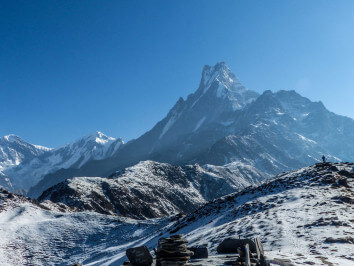
Mardi Himal Trek 2026Nepal , Annapurna Region Trekking
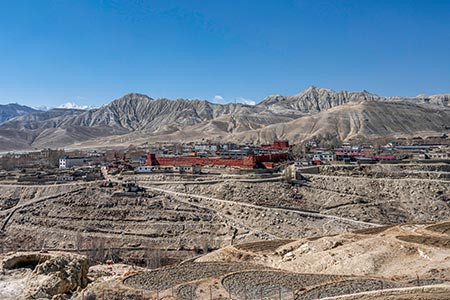
Upper Mustang Trek for 2026/2027Nepal , Annapurna Region Trekking
Ghorepani Poon Hill Trek 10 DaysNepal , Annapurna Region Trekking
Annapurna Base Camp TrekNepal , Annapurna Region Trekking
Ghorepani Poonhill Trek and Jungle Safari 2026/2027



Copyright ® Himalaya Heart Treks & Expedition Pvt Ltd