
Last updated: November 20, 2026
Quick facts
Kanchenjunga Base Camp Trek: duration is 18 Days, price starts from us$2,890 per person, difficulty is strenuous.
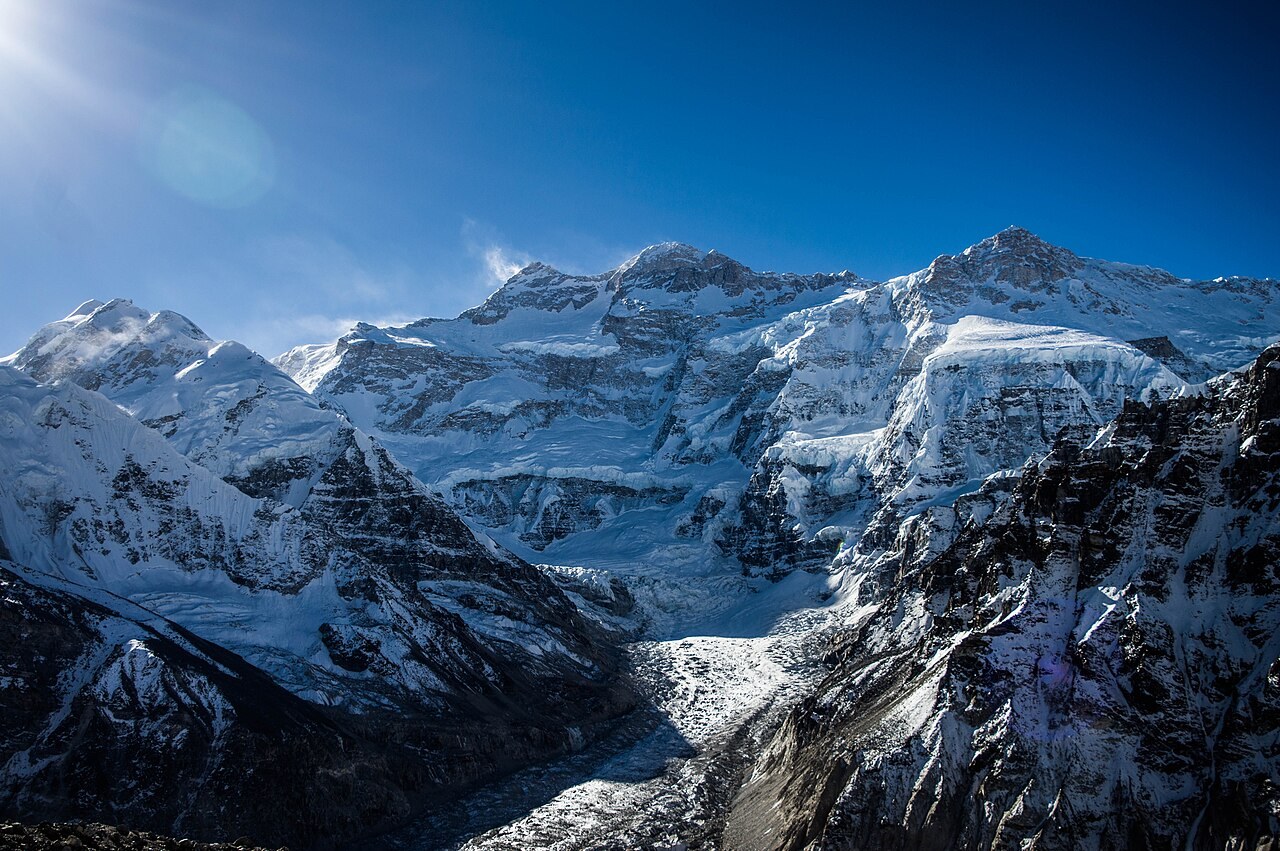
The Kanchenjunga Base Camp Trek is a challenging and exciting trekking adventure in the remote Himalayan Range in eastern Nepal. This 18-day trek takes you to the base of Mount Kanchenjunga (8,586 m), the third-highest mountain in the world, located in the Taplejung district near the Nepal-India border. The journey begins with a scenic flight from Kathmandu to Bhadrapur, followed by a drive to Taplejung and ends at Bhadrapur, followed by a flight back to Kathmandu.
The main highlight is reaching Kanchenjunga North Base Camp (Pangpema), at approximately 5,143 m and passing through the remote Kanchenjunga Conservation Area in the Taplejung district. Along the way, you pass through villages such as Amjilosa, Ghunsa, Khambachen and Lhonak. Spring (March- May) and autumn (September-November) are the best seasons for the trek. This trek is suited to trekkers with good physical fitness and proper preparation who like adventures.
Himalayan Heart offers a well-planned 18-day Kanchenjunga Base Camp Trek package, providing experienced guides, comfortable arrangements and local support to make your Himalayan adventure safe, enjoyable and memorable.
The Kanchenjunga Base Camp Trek is an exciting high-altitude adventure in the eastern Himalayas of Nepal, taking you to the foot of Mount Kanchenjunga (8,586 m), the third-highest mountain in the world. Located in the remote Taplejung district, this trek offers a chance to explore one of Nepal's less-crowded trekking regions, known for its beautiful mountain scenery, diverse landscapes and traditional Himalayan villages. The 18-day Kanchenjunga Trek begins with a scenic flight from Kathmandu to Bhadrapur, followed by a drive through the tea gardens of Ilam to Taplejung. From there, a private jeep takes you to Sekathum, which is the starting point of the trek. The journey also includes visiting the conservation area.
The Kanchenjunga Conservation Area (KCA) is a protected region in eastern Nepal, located in Taplejung District. It is home to diverse wildlife, rich forests and several rare Himalayan species such as the snow leopard, blue sheep, red panda and musk deer. The conservation area also protects the natural environment and cultural heritage of the Kanchenjunga region, making the trek a rewarding experience for nature lovers and adventure seekers.
The main highlight is reaching Kanchenjunga North Base Camp (Pangpema) at 5,143 m, where you can enjoy close-up views of the massive Kanchenjunga mountain range. During the trek, you pass through beautiful forests, river valleys, alpine landscapes and remote villages such as Amjilosa, Ghunsa, Khambachen and Lhonak. You also cross the high-altitude Sele La Pass (4,290 to 4,480 m / 14,075 to 14,698 ft) and descend through the southern valley towards Yamphudin (2,080 m / 6,824 ft), where the trekking portion ends. Along the way, you can experience local mountain culture, Buddhist monasteries and the warm hospitality of the communities.
The journey then continues by private jeep to Kanyam and Bhadrapur, followed by a flight back to Kathmandu. Spring (March to May) and autumn (September to November) are the best seasons for this adventure as the mountain views become clearer. If you are planning for a high-altitude trek and like adventure, then this trek can be best for you.
On arrival at Tribhuvan International Airport in Kathmandu, you will be greeted by a representative from Himalaya Heart Treks & Expedition who will transfer you to your hotel. After checking into your hotel, you can relax or explore the local streets, shops and restaurants.
Depending on your arrival time, you can explore the nearby streets, shops and restaurants or visit Thamel, a popular area for travelers looking for trekking equipment, souvenirs and local food. You will meet your trekking guide, who will give you a short description of the trek and discuss the arrangements for the following days. Then you will stay overnight in Kathmandu.
Accommodation: Hotel in Kathmandu
Meals: Dinner included
Today will be an introduction to the Kanchenjunga Base Camp Trek. Your guide will explain the route, daily walking schedule, expected altitude gains, accommodation arrangements and important safety information. They will also go through your trekking permits and transport details.
You will have time to go through your trekking equipment and organize your backpack. Your guide can help you identify any missing essentials, such as warm clothing, trekking poles, gloves, headlamps and other high-altitude equipment. If you need additional supplies, you can visit the shops in Thamel to purchase them. You can have lunch at a restaurant in Kathmandu or Thamel.
This is also a good opportunity to ask questions about the trek, discuss any concerns and make sure you are physically and mentally prepared for the remote mountain journey. After completing your preparations, you will return to your hotel and rest before the early journey to Bhadrapur.
Accommodation: Hotel in Kathmandu
Meals: Breakfast
After breakfast, you will be transferred to the domestic airport to fly from Kathmandu to Bhadrapur in Eastern Nepal. You will enjoy some beautiful scenery of the Nepalese hills, rivers and Himalayan peaks on clear days whilst flying.
After landing at Bhadrapur Airport in Jhapa, you will meet your local transportation and drive towards Taplejung. The journey will take you through the lush green hills and tea-growing areas of Ilam and Kanyam. Along the way, you will see many small towns, villages and agricultural areas. Then you will have lunch at a roadside restaurant around Ilam.
As you approach Kanyam, you may notice the rolling hills covered with neatly arranged tea gardens. The road gradually climbs from lowland plains into the mountainous areas of eastern Nepal. You will pass through small towns and rural communities before reaching Taplejung, the main district town and an important gateway to the Kanchajunga region.
After arriving in Taplejung, you will check into your lodge, enjoy dinner and rest before continuing towards the starting point of the trek the following day.
Flight Duration: Approximately 35-45 minutes
Driving Time: 8 hours
Accommodation: Lodge in Taplejung
Meals: Breakfast, Lunch, and Dinner
After breakfast, you will be driven to Sekhathum (the start of your trek) from Taplejung. The drive will take you through the rocky terrain of Eastern Nepal. Along the way, you will see beautiful scenery such as hillsides, villages and river valleys. You will gradually approach the Tamor and Ghunsa river valley areas, enjoying views of the surrounding hills and traditional villages.
After reaching Sekhatum, you will have lunch at a restaurant before starting trek towards Amjilosa. The trail will take you through narrow gorges, bamboo forests and over beautiful suspension bridges. You will cross several small streams and walk through bamboo, oak and other subtropical vegetation. The route includes a mixture of gradual climbs and descents with some steep sections as you gain elevation.
You will trek up and down hills along the mountain valley. This trek will give you a nice introduction to the remote Kanchenjunga region as you will be walking through beautiful forests and river valleys. After a challenging combination of driving and walking, you will reach Amjilosa, a small mountain settlement surrounded by forested slopes.
Then you will settle into your teahouse, enjoy a warm meal and rest after your first day on the trail at Amjilosa.
Trekking Time: Approximately 5-6 hours.
Driving Time: 4-6 hours
Accommodation: Teahouse in Amjilosa
Meals: Breakfast, Lunch, and Dinner
After breakfast, you will leave Amjilosa and continue your Kanchenjunga Base Camp Trek. You will trek up through dense forests, the mountain slopes and river valleys. You will walk through sections of thick rhododendrons, bamboo and other mountainous flora. Along the way, you will trek through waterfalls and streams.
The trail gradually climbs through the forest, crossing wooden bridges and uneven paths. As you gain elevation, the vegetation and surroundings begin to change, and you may catch glimpses of the surrounding mountain slopes through openings in the forest. Along the way, you will stop for lunch and rest for some time there, enjoying the views.
Gyabla is a small traditional settlement surrounded by forested hills and steep mountain terrain. The village offers a peaceful resting place along the remote trekking route so that you will experience the quieter side of life in the Kanchenjunga region.
After hours of walking, you will arrive in Gyabla. You will spend the remaining time relaxing, enjoying the mountain surroundings and preparing for the next day's trek to Ghunsa.
Trekking time: Approximately 5-6 hours.
Accommodation: Teahouse in Gyabla
Meals: Breakfast, Lunch, and Dinner
Today you will trek from Gyabla to Ghunsa. After having breakfast, you will continue trekking to one of the most important settlements in the Kanchenjunga region. As you increase in altitude, you will start to see the landscape change from thick forests.
Along the way, you will pass Phale, a traditional village with Tibetan Buddhist culture. You will see stone houses, prayer flags, mani walls and other features reflecting the Tibetan Buddhist traditions of the region. Then you will have lunch there and rest for a bit.
The trail will continue through forested slopes and alongside the river before reaching Ghunsa. This is one of the largest villages in the upper Kanchenjunga region and serves as an important resting and acclimatization point for trekkers heading towards Khambachen and Lhonak.
Ghunsa is known for its traditional wooden houses, Buddhist prayer flags and beautiful mountain setting. After some walking, you will arrive at the village and settle into your teahouse. You can spend the evening exploring the settlement or relaxing before having a warm dinner. Then you will spend the night in Ghunsa.
Trekking time: Approximately 5-6 hours.
Accommodation: Teahouse in Ghunsa
Meals: Breakfast, Lunch, and Dinner
Today will be an acclimatization day in Ghunsa to help your body get used to the increased altitude. As you will be going above 4,000m, it is very important to stay an extra night to help you get used to the altitude.
You can have a short walk around the village and explore the local trails or visit the local monastery to learn about the culture of Buddhism in the area. Depending on how you are feeling, your guide may suggest a gentle walk up to help you get used to the altitude before returning to Ghunsa.
The village provides an opportunity to learn more about the local way of life. You can see traditional houses, prayer wheels, mani walls and prayer flags while enjoying views of the surrounding mountains and forested hills.
The rest of the day will be spent relaxing, drinking lots of water and getting ready for the higher altitudes. You will stay another night in Ghunsa.
Acclimatization hike: 3-4 hours
Accommodation: Teahouse in Ghunsa
Meals: Breakfast, Lunch, and Dinner
After breakfast, you will leave Ghunsa and trek through the upper Ghunsa Valley towards Khambachen. You will gently ascend along the Ghunsa River through beautiful alpine scenery, rocky areas and mountainous slopes.
One of the highlights of the day will be the beautiful views of Jannu Peak (Kumbhakarna). This mountain reaches a height of approximately 7,710m! As you increase in altitude, you will see more prominent Himalayan peaks, glacial streams and rocky mountain slopes.
The route includes some steep and uneven sections, so it is important to maintain a steady walking pace. Then you will reach Khambachen, a small high-altitude settlement surrounded by dramatic mountain scenery.
Once you arrive, you can relax at your teahouse, enjoy the mountain views, have dinner and prepare for the next day.
Trekking time: Approximately 5-6 hours.
Accommodation: Teahouse in Khambachen
Meals: Breakfast, Lunch, and Dinner
Today you will really start to head into the high-altitude wilderness of the Kanchenjunga region. After breakfast, you will leave Khambachen and gently ascend through rocky areas, glacial moraines and sparse vegetation.
Along the way, you will pass the Ramtang area, where the landscape becomes increasingly barren and dominated by rocks, glaciers and high mountain ridges. You will follow the route alongside the Kanchenjunga Glacier, enjoying views of the surrounding peaks and glacial valleys. The vegetation becomes very sparse as you gain elevation, reflecting the harsh conditions of this high-altitude environment.
You will trek along the upper valley with beautiful views of the surrounding glaciers, mountain ridges and snowy peaks. As you get closer to Lhonak, the landscape will become more rugged, and you will need to keep a steady pace as the air will be thin.
Then you will arrive in Lhonak. This is the last village you will stay the night in before heading up to Kanchenjunga North Base Camp. You will relax and get ready for tomorrow.
Trekking time: Approximately 5-6 hours.
Accommodation: Teahouse in Lhonak
Meals: Breakfast, Lunch, and Dinner
This is the main highlight of your Short Kanchenjunga Base Camp Trek! After an early breakfast, you will start your hike from Lhonak to Pangpema (Kanchenjunga North Base Camp).
You will trek through a rugged high-altitude valley on rocky paths and glacial moraines. As you near Pangpema, you will enjoy amazing views of Mount Kanchenjunga (8,586m). You will also have beautiful views of the surrounding Himalayan peaks and glaciers. As you approach Pangpema, the landscape becomes increasingly dramatic, offering closer views of the enormous northern face of Kanchenjunga.
When you arrive at North Base Camp, you can enjoy the mountainous views, relax and take some amazing photos of the huge north face of Kanchenjunga. This is one of the most rewarding parts of your trek!
After spending some time at Pangpema, you will return along the same trail back to Lhonak. The return journey can be demanding because of the distance and high altitude, so you will have to maintain a comfortable pace and follow your guide's instructions.
After a round trip, you will return to Lhonak for dinner and an overnight stay.
Trekking time: Approximately 7-9 hours.
Highest Altitude Reached: Pangpema (5,143m).
Accommodation: Teahouse in Lhonak (4,780m)
Meals: Breakfast, Lunch, and Dinner.
After reaching Kanchenjunga North Base Camp the previous day, you will start to descend back down to Ghunsa from Lhonak. You will follow the same trail back through Khambachen and Upper Ghunsa Valley.
You will trek through rocky areas, alpine areas and mountainous valleys. You will also enjoy some beautiful views of Jannu Peak and surrounding Himalayan mountains. The trail follows the same route through the valley, gradually descending alongside the Ghunsa River.
As you descend, you will find that breathing is easier; however, you will still need to be careful, as the trail is long. After trekking, you will arrive in Ghunsa. You will stay the night and enjoy a warm meal at your teahouse.
Trekking time: Approximately 6-8 hours.
Accommodation: Teahouse in Ghunsa
Meals: Breakfast, Lunch, and Dinner.
Today you will leave the main trail in Ghunsa Valley and start to ascend to Selele Camp. This part of the trek will take you through a quieter and more remote area of Kanchenjunga. You will gently ascend through forests and into higher alpine areas.
As you ascend, you will enjoy some beautiful views of mountain ridges and surrounding peaks. The trees gradually become thinner, and the surroundings change into alpine terrain with open ridges and rocky sections. The weather can also become cold and windy, so you will have to keep your warm clothing accessible.
After that, you will arrive at Selele Camp (4,200 m). This is an important stop for the night before crossing the high passes to Cheram tomorrow. So, you will spend the evening at your teahouse, have dinner and rest.
Trekking time: Approximately 5-6 hours.
Accommodation: Teahouse in Selele Camp.
Meals: Breakfast, Lunch, and Dinner.
Today will be a challenging day of trekking as you will be crossing high mountain passes along the Selele route. You will be heading towards the southern Kanchenjunga Valley. After breakfast, you will trek through exposed alpine areas, rocky trails and high mountain ridges. Depending on the conditions and route, you will cross the Selele La, Mirgin La & Sinion La Pass area. You will enjoy beautiful views of the surrounding valleys and snowy peaks.
After crossing the pass area, you will start to descend to Cheram (Tseram). You will notice a change in the landscape with rocky alpine slopes.
You will arrive in Cheram at around 3,870 m. You will check into your teahouse, enjoy dinner and rest after completing the high-pass crossing.
Trekking time: Approximately 6-8 hours.
Accommodation: Teahouse in Cheram
Meals: Breakfast, Lunch, and Dinner.
After breakfast, you will start to descend from Cheram to Tortong. Today you will be leaving the higher alpine areas and returning to the greener forested areas of Kanchenjunga. You will trek through the mountain valley called Simbuwa Khola Valley. Along the way, you will see beautiful Rhododendron Forests, streams and rivers. As you descend, you will see more vegetation and the landscape will become greener.
Although this is mostly a descent, there are some steep and uneven parts to the trail, so you need to be careful. After that trek, you will arrive in Tortong. This is a small village surrounded by forested hills. You will rest at your teahouse and enjoy the quieter atmosphere after several days at high altitude.
Trekking time: Approximately 4-6 hours.
Accommodation: Teahouse in Tortong
Meals: Breakfast, Lunch, and Dinner.
Today you will continue your journey from Tortong to Yamphudin. You will be heading closer to the lower villages of Eastern Nepal. Along the way, you will trek through forested hills, river valleys and traditional agricultural areas. You will notice beautiful terraced fields and villages along the way. There are a variety of communities living in this area, including the Limbu people.
Then you will arrive in Yamphudin. This is a traditional mountain village at approximately 2,080m. The area is home to different local communities, including the Limbu people, who have their own cultural traditions, language and agricultural lifestyle. You can observe traditional village life and enjoy the peaceful surroundings of this remote part of eastern Nepal.
This is the last stop for the night on your Kanchenjunga Base Camp Trek, so have dinner and take a rewarding rest.
Trekking time: Approximately 6-8 hours.
Accommodation: Teahouse in Yamphudin
Meals: Breakfast, Lunch, and Dinner.
After breakfast, you will leave Yamphudin and start your drive to Kanyam. You will pass through the beautiful hills and rural areas of Eastern Nepal. Along the way, you will see traditional villages, agricultural areas and winding mountain roads. As you approach Ilam, you will see beautiful rolling green hills and tea plantations. Kanyam is one of the famous tea-growing areas of Nepal. It is famous for its beautiful green tea gardens. You will have lunch along the way.
After some hours of driving, you will arrive in Kanyam. You will have some time to relax and enjoy the beautiful scenery after your busy few days trekking in the remote mountains.
Driving time: Approximately 7-8 hours.
Accommodation: Hotel in Kanyam
Meals: Breakfast, Lunch, and Dinner.
After breakfast in Kanyam, you will drive to Bhadrapur Airport. You will pass through the hills and lower areas of Eastern Nepal. From Bhadrapur, you will fly back to Kathmandu. On arrival in Kathmandu, you will be transferred to your hotel. You can spend the rest of your day relaxing, shopping in Thamel for souvenirs or exploring some local attractions. Depending on your arrangements, you may enjoy a final dinner with your trekking team.
Drive Time: 2-3 hours
Flight Duration: 35-45 minutes
Accommodation: Hotel in Kathmandu
Meals: Breakfast
Today will be the last day of your 18-day Short Kanchenjunga Base Camp Trek. Depending on your international flight times, you may have some time to relax in Kathmandu for breakfast, last-minute shopping, or to relax. A representative from Himalaya Heart Treks & Expedition will organize your transfer to Tribhuvan International Airport.
You will leave Nepal with some amazing memories of the remote valleys of Kanchenjunga, traditional mountain villages, high Himalayan passes and reaching.
Trip duration: 18 Days
Choose any available date on the calendar to start your trip.
Pick a departure — your 18-day trip will be highlighted on the calendar.
This creates a private or flexible-date booking and does not join a fixed departure.
The Kanchenjunga Base Camp Trek is located in the far-eastern part of Nepal, within the Kanchenjunga Conservation Area in Taplejung District.
The full Kanchenjunga Circuit Trek generally takes around 18-24 days, including travel from Kathmandu, trekking, acclimatization and the return journey.
The Kanchenjunga Base Camp Trek is considered challenging to strenuous because of its high altitude, long walking days, steep ascents, remote trails and limited facilities. Some trekking days involve 6-9 hours of walking, while crossing high mountain passes can be more demanding.
The highest point of the standard North Base Camp route is Pangpema, at approximately 5,143 metres (16,873 feet). The South Base Camp route reaches Oktang viewpoint at approximately 4,730 metres (15,518 feet).
The best seasons for the Kanchenjunga Base Camp Trek are spring (March to May) and autumn (September to November). These seasons offer warmer temperatures, clearer skies and beautiful mountain scenery.
Yes, beginners with excellent physical fitness, proper training and sufficient preparation can complete it with professional guidance.
Trekkers need two main permits to enter Kanchenjunga region:
Yes, trekking with a licensed guide is mandatory in the Kanchenjunga restricted area. Trekkers must be accompanied by a government-licensed trekking guide throughout the restricted-area section.
You cannot undertake the restricted-area trek independently without a licensed guide and the required permits. However, you can discuss a private trekking arrangement with a registered trekking agency. The current permit rules should be confirmed before booking, particularly if you plan to travel as a solo client.
Accommodation mainly consists of basic teahouses and local lodges in selected villages. Most provide simple rooms with twin beds, mattresses, pillows and blankets. Bathrooms are generally shared, and facilities such as hot showers, Wi-Fi and charging points may be limited or available at an additional cost.
Common options include Dal Bhat, vegetable curry, Tibetan bread, porridge, eggs, noodles, fried rice, momos and thukpa. Tea, coffee and other hot drinks are also available in many settlements.
Yes, altitude sickness is a potential risk because the trek reaches elevations above 5,000 meters, which may cause Acute Mountain Sickness (AMS).
Travel insurance is highly recommended for this trek because of its remote location, high altitude and limited medical facilities. Your insurance policy should specifically cover high-altitude trekking up to at least 5,200 meters, emergency medical treatment and helicopter evacuation.
Mobile network and internet access are limited in the Kanchenjunga region. Some lower villages and larger settlements may have mobile coverage, but the connection can become unreliable as you move towards higher elevations.
The cost ranges from USD 1,375 to USD 3,000 per person, depending on the trekking duration, group size, transportation, accommodation, meals, guide and porter services, permits and package inclusions. A full circuit trek including both North and South costs more.
Yes, you can visit both North Base Camp (Pangpema) and South Base Camp (Oktang) in one trek called circuit trek.
You can view impressive Himalayan peaks of Mount Kanchenjunga (8,586 m), Mount Jannu (7,710 m) and Mount Kabru (7,412 m). The mountain visibility depends on weather conditions and viewing locations.
Duration: 18 Days
Maximum Altitude: 5,143 m
Trek Grade: Strenuous
Best Season: Spring (Apr-May) and Autumn (Sept-Nov)
Accommodation: Teahouse/Lodges
Start/End Point: Kathmandu
Region: Eastern Nepal (Taplejung)
It is one of the most difficult and remote adventures in the Himalayas, which needs good preparation and guidance, as well as transportation, for the trekking tour. Choosing a good trekking company will ensure you enjoy the tour despite the difficult conditions encountered during high-altitude treks. At Himalayan Heart, we ensure reliable services, good guides and good trekking plans.
Here are some reasons to choose Himalayan Heart for your Kanchenjunga Trek:
Is the Kanchenjunga Base Camp Trek Right for You?
The trek to Kanchenjunga is a challenging high-altitude adventure designed for trekkers who enjoy remote mountain trails, long walking days and less-crowded Himalayan destinations. Reaching Kanchenjunga North Base Camp (Pangpema) at 5,143 m requires good physical fitness, mental preparation, and the ability to walk for several hours across rough and changing terrain. The journey also involves gradual altitude gain, steep uphill climbs, rocky paths, glacial landscapes and a high mountain crossing through the Sele Le Pass area.
This trek is particularly suitable for experienced trekkers who want to explore a less-developed part of Nepal and experience the natural beauty and local culture of the eastern Himalayas. However, previous high-altitude trekking experience is recommended because the route reaches elevations above 5,000 m, where altitude sickness can become a concern. If you are physically active, comfortable with multi-day hikes and prepared for basic mountain accommodation, this trek can be a rewarding adventure.
The Kanchenjunga Base Camp Trek may be a good choice if you:
Kanchenjunga Base Camp Trek Route Map and Elevation Profile
| Day | Route | Elevation | Duration |
|---|---|---|---|
| 1 | Arrival in Kathmandu and transfer to hotel | 1,350 m / 4,429 ft | 20-30 minutes |
| 2 | Trek preparation in Kathmandu | 1,350 m / 4,429 ft | - |
| 3 | Flight to Bhadrapur and drive to Taplejung | 1.820 m / 5,971 ft | 35-45 minutes flight and 8 hours drive |
| 4 | Drive to Sekathum and trek to Amjilosa | 2,510 m / 8,235 ft | 5-6 hours drive and 4-6 hours trek |
| 5 | Trek from Amjilosa to Gyabla | 2,730 m / 8,957 ft | 4-5 hours |
| 6 | Trek from Gyabla to Ghunsa | 3,475 m / 11, 401 ft | 5-6 hours |
| 7 | Acclimatization day in Ghunsa | 3,475 m / 11, 401 ft | 3-4 hours optional acclimatization hike |
| 8 | Trek from Ghunsa to Khambachen | 4,050 m / 13,287 ft | 5-6 hours |
| 9 | Khambachen to Lhonak | 4,780 m / 15,682 ft | 5-6 hours |
| 10 | Trek from Lhonak to Pangpema and return to Lhonak | 5,143 m / 16,873 ft | 7-9 hours |
| 11 | Trek from Lhonak to Ghunsa | 3,595 m / 11,795 ft | 6-8 hours |
| 12 | Trek from Ghunsa to Selele Camp | 4,200 m / 13,780 ft | 5-6 hours |
| 13 | Trek from Selele Camp to Cheram via Sele La Pass | 3,870 m / 12,697 ft | 6-8 hours |
| 14 | Cheram to Tortong | 2,995 m / 9,826 ft | 4-6 hours |
| 15 | Tortong to Yamphudin | 2,080 m / 6,824 ft | 6-8 hours |
| 16 | Drive from Yamphudin to Kanyam | 1,300 m / 4,265 ft | 7-8 hours |
| 17 | Drive to Bhadrapur and flight to Kathmandu | 1,350 m / 4,429 ft | 2-3 hours drive and 35-45 minutes flight |
| 18 | Departure from Kathmandu | 1,350 m / 4,429 ft | 20-30 minutes airport transfer |
Kanchenjunga Base Camp Trek Cost and Package Price
The trek cost depends on the services included in the package, transportation arrangements, accommodation, trekking support, and group size. Since the Kanchenjunga region is remote and requires several travel arrangements, including domestic flights, private jeep transportation, trekking permits, and experienced local guides, the overall cost is higher than that of many popular trekking routes in Nepal.
The 18-day Kanchenjunga Base Camp Trek package costs USD 2,890 per person. This package covers the major arrangements needed for the journey, including domestic flights, ground transportation, trekking permits, accommodation during the trek, meals, experienced English-speaking guides and porter services. It also includes trekking equipment assistance and other essential support to make your journey more convenient.
Includes:
What Can You Expect on the Kanchenjunga Base Camp Trek?
The Kanchenjunga Trek is an adventurous journey through one of the most remote and beautiful regions of eastern Nepal. Over 18 days, you will travel from Kathmandu to the foothills of the Himalayas and gradually make your way towards the northern base camp of Mount Kanchenjunga (8,586 m), the third-highest mountain in the world. Along the way, you will experience changing landscapes, traditional mountain villages, high-altitude trails and impressive views of snow-covered peaks.
This trek offers much more than reaching a base camp. You can expect challenging walking days, peaceful time in nature, opportunities to learn about local mountain culture, and a chance to explore a less-visited part of Nepal. Here is what you can expect during the journey:
A Scenic Journey from Kathmandu to the Trekking Region
Your journey begins in Kathmandu with a flight to Bhadrapur, followed by a scenic drive through the green hills and tea gardens of Ilam and Kanyam towards Taplejung. From there, a private jeep takes you towards Sekathum, where the trekking section begins. This journey gives you a chance to experience the changing scenery of eastern Nepal, from busy towns and terraced farmland to quiet villages and forested hills. As you get closer to the Kanchenjunga region, the roads become more remote, and the mountain landscape gradually takes over.
Changing Landscapes and Natural Beauty
One of the most rewarding parts of the Kanchenjunga Base Camp Trek is the variety of landscapes along the trail. The lower sections take you through green forests, bamboo groves, rhododendron trees, narrow river valleys, waterfalls and suspension bridges.
As you gain altitude, the scenery gradually changes into an alpine environment with rocky slopes, open valleys, glacial streams and snow-covered mountains. Around Khambachen and Lhonak, the landscape becomes more rugged and dramatic, offering a closer look at the high Himalayan wilderness.
Spectacular Views of Himalayan Mountains
The trek offers impressive views of Mount Kanchenjunga (8,586 m), along with other outstanding peaks such as Jannu (Kumbhakarna), Kabru and Rathong. You will gradually get closer to the mountains as you walk through Ghunsa, Khambachen and Lhonak.
The main highlight is reaching Pangpema (5,143 m), the North Base Camp of Kanchenjunga, from where you can enjoy a significant view of the northern face of the mountain and the surrounding Himalayan landscape. Mountain visibility depends on weather conditions, but clear days can make the experience especially memorable.
Traditional Villages and Local Culture
The Kanchenjunga region is home to different ethnic communities, including Limbu, Rai and Sherpa people. Each community has their own traditions and way of life. During the trek, you will pass through traditional settlements where people depend on farming, livestock and local trade.
In villages such as Ghunsa, you can see Buddhist monasteries, prayer flags, mani walls and traditional stone houses that reflect the area's cultural and spiritual heritage. You will also have opportunities to interact with local people, experience their hospitality, and learn about life in these remote mountain communities.
Challenging High-Altitude Walking
You can expect to walk for around 4–7 hours on most trekking days, depending on the route and trail conditions. Some sections involve steep climbs, uneven paths, rocky terrain and glacial moraines. As you approach Khambachen, Lhonak and Pangpema, the increasing altitude can make walking more demanding because of the thinner air. The itinerary includes an acclimatization day at Ghunsa to help your body adjust before ascending further, and it is important to follow your guide's advice throughout the trek.
A Visit to Kanchenjunga North Base Camp
Reaching Pangpema at 5,143 m is the main highlight of the trek. The journey from Lhonak takes you through a remote glacial valley surrounded by rugged mountain scenery and impressive views of the Kanchenjunga range.
Once you reach the North Base Camp, you can spend time enjoying the views of Mount Kanchenjunga and its surrounding peaks before returning to Lhonak for the night. This is one of the most difficult days of the itinerary, so it's crucial to keep moving at a steady pace and follow your guide's instructions.
Besides these, you can expect basic teahouse accommodation and local meals, cold mountain weather, limited connectivity and a peaceful and less-crowded Himalayan experience.
Mountains You Can See During the Kanchenjunga Base Camp Trek
The trek offers spectacular views of some of the highest and most impressive mountains in the eastern Himalayas. The visibility of individual mountains depends on your location, weather and trail conditions, but the journey provides several opportunities to admire the Himalayan landscape. Some of the mountains you get to see are:
Mount Kanchenjunga (8,586 m)
Mount Kanchenjunga is the main attraction of this trek and stands at 8,586 m, also known as the third-highest mountain in the world. Its name is often translated as "Five Treasures of the Great Snow," referring to its five prominent peaks. As you approach Lhonak and continue towards Pangpema, you get closer views of the massive mountain range. As you reach Pangpema (5,143 m), the North Base Camp, it offers an impressive view of the northern face of Kanchenjunga and the surrounding glaciers.
Jannu (Kumbhakarna, 7,710 m)
Jannu, also known as Kumbhakarna, is a remarkable Himalayan peak with an altitude of 7,710 m. It is known for its steep rocky walls, sharp ridges and dramatic appearance. The mountain is noticeable from the upper sections of the northern Kanchenjunga trail, especially around Khambachen. Its impressive form provides a beautiful contrast to the white peaks surrounding it and is thus one of the most impressive mountain views on the trekking route.
Kabru (7,412m)
Kabru is one of the most significant mountains in the region of Kanchenjunga, where Kabru North Mountain stands at about 7,412 meters. The Kabru peaks form part of the wider Himalayan skyline near the Nepal-Sikkim border. Depending on the weather and viewing angle, you may spot the Kabru range from sections of the trekking route. Its snow-covered ridges add to the impressive mountain scenery of the eastern Himalayas.
Outline Itinerary Kanchenjunga Base Camp Trek
Day 1: Arrival in Kathmandu (1,350m)
Day 2: Preparation Day
Day 3: Fly to Bhadrapur & Drive to Taplejung (1,820m)
Day 4: Drive to Sekhathum & Trek to Amjilosa (2,510m)
Day 5: Trek to Gyabla (2,730m)
Day 6: Trek to Ghunsa (3,595m)
Day 7: Acclimatization Day in Ghunsa
Day 8: Trek to Khambachen (4,050m)
Day 9: Trek to Lhonak (4,780m)
Day 10: Day Trip to Kanchenjunga North Base Camp (Pangpema – 5,143m)
Day 11: Trek Back to Ghunsa
Day 12: Trek to Selele Camp (4,200m)
Day 13: Trek to Cheram (3,870m)
Day 14: Trek to Tortong (2,995m)
Day 15: Trek to Yamphudin (2,080m)
Day 16: Drive to Kanyam (1,300m) by Private Jeep
Day 17: Drive to Bhadrapur & Fly Back to Kathmandu
Day 18: Departure Day
This trek is considered a challenging to strenuous trek, suitable for trekkers with good physical fitness and proper preparation. The 18-day journey takes you through remote mountain trails and reaches a maximum altitude of 5,143 m at Pangpema (North Base Camp). Proper preparation, suitable equipment and an experienced guide can help make the journey more manageable. The main factors affecting the difficulty are altitude, weather, terrain, daily walking hours and limited facilities along the route.
Altitude: Altitude is one of the biggest challenges of this trek. As you ascend towards Ghunsa (3,595 m), Khambachen (4,050 m), Lhonak (4,780 m) and Pangpema (5,143 m), the oxygen level decreases, making breathing and walking more difficult. You may experience symptoms of Acute Mountain Sickness (AMS), such as headaches, dizziness and tiredness. The itinerary includes an acclimatization day at Ghunsa to help your body adjust to the increasing elevation.
Weather: The weather conditions are unpredictable in the Kanchenjunga region. While the weather may be milder at lower altitudes, at higher altitudes, cold weather conditions with below-zero temperatures are common, particularly during nights. Snow, ice, and strong winds could also make hiking conditions tougher. So, it is recommended to pack a sufficient amount of clothing to keep yourself warm.
Terrain: The trail passes through different landscapes, from lower forests, bamboo groves and river valleys to rugged mountain terrain. Higher sections include rocky paths, uneven surfaces, steep climbs and glacial moraines. Some trails can become slippery after rain or snowfall, so proper trekking boots and careful walking are important.
Daily Walking Hours: On most days, you have to walk for around 4-7 hours depending on the route, altitude and trail conditions. In particular, the journey from Lhonak to Pangpema and back takes approximately 6-7 hours. Walking for several consecutive days can be physically tiring, so good stamina and regular hiking practice are important to complete the trek comfortably.
Limited Facilities: The Kanchenjunga region is remote, so accommodation and other facilities are basic. You will stay in local teahouses with simple rooms, limited food choices, and shared bathroom facilities in many places. Wi-Fi, mobile networks and hot showers may not always be available. Keeping an open mind, staying flexible and accepting the simple mountain lifestyle will help you enjoy the trek without unnecessary frustration.
Best Time to Do the Kanchenjunga Base Camp Trek
The best time to do the trek is during spring (April to May) and autumn (September to November). These seasons generally offer favourable weather, better mountain visibility and more comfortable trekking conditions.
Spring Season (March to May)
In Spring, the weather gradually becomes warmer, the forests come alive with blooming rhododendrons, and the mountain scenery becomes more accessible after winter. However, afternoon clouds may affect mountain views, and some higher trails may still have snow, especially in early spring. The daytime temperature in lower valleys can be around 0°C to 10°C, while in higher areas, it may range from 15°C to 22°C. The night temperature at higher camps can drop to around -10°C to 2°C.
Autumn Season (September to November)
After the monsoon, the skies become clearer, the air is fresh, and the mountain views are generally at their best. The trails are usually drier, making walking more comfortable. However, nights become increasingly cold, and snowfall may occur at higher elevations towards late November. In lower valleys, daytime temperatures are around 12°C to 20°C, while higher areas may range from 0°C to 10°C. Night temperatures at higher camps can fall to around -15°C to -4°C.
Monsoon Season (June to August)
The monsoon season brings lush green landscapes, fewer trekkers and fresh vegetation throughout the lower valleys. However, frequent heavy rainfall, slippery trails, leeches, landslide risks, transportation disruptions and poor mountain visibility may make the trek difficult. The daytime temperature in the lower valleys is around 18°C to 25°C, while higher areas may range from 5°C to 15°C. Nights at higher elevations are generally colder, with temperatures around 0°C to 8°C.
Winter Season (December to February)
You can get the quiet trails, fewer visitors and clear mountain views on suitable weather days during the winter season. You may find trekking difficult due to the extreme cold, heavy snowfall, icy trails, possible closure of high mountain routes and limited teahouse facilities. Lower valleys may experience daytime temperatures of around 5°C to 12°C, while higher areas can remain below freezing. Night temperatures at high camps may fall to around -20°C to -10°C.
Overall, spring and autumn are the most suitable seasons for the Kanchenjunga Base Camp Trek. Choose spring if you want to enjoy blooming rhododendron forests and relatively warmer days, or autumn if clear mountain views and stable weather are your priority. October and April-May are particularly good choices for planning this trek.
Note: Temperature may vary depending on the altitude, weather and time of day.
Kanchenjunga Trek Altitude Sickness and Acclimatization
Altitude sickness, also referred to as Acute Mountain Sickness (AMS), is one of the leading health issues during trek. As the altitude rises, the air thins out, and your body takes time to adapt to the decreased amount of oxygen available. If the trekking altitude rises too fast, you might get altitude sickness, especially when you get past 2,500 meters above sea level. It gets increasingly crucial as you head to higher altitudes such as Khambachen (4,050 m) and Lhonak (4,780 m) en route to Pangpema (5,143 m).
Causes of Altitude Sickness
Some of the common causes include:
Symptoms of Altitude Sickness
The common signs of Altitude Sickness include:
If you experience these symptoms, inform your trekking guide immediately. Do not continue climbing until your condition has been examined.
Complications of Altitude Sickness
In severe cases, altitude sickness can develop into two life-threatening conditions: High Altitude Pulmonary Edema (HAPE) and High Altitude Cerebral Edema (HACE).
Both conditions require immediate medical attention and descent to a lower altitude. Oxygen and emergency evacuation may also be necessary.
Acclimatization during the trek
Acclimatization allows your body to adjust to lower oxygen levels as you climb higher gradually. The Himalayan Heart itinerary includes an acclimatization day at Ghunsa (3,595 m), where you can rest or take an optional short hike before continuing towards Khambachen (4,050 m). This rest day helps prepare your body for the higher elevations ahead. Even though acclimatization helps your body get ready for high altitudes, it does not prevent altitude sickness.
Tips to prevent Altitude Sickness
Once you reach 3,000 m, try not to increase your sleeping altitude by more than 500 m each day. It is also best to spend an extra night acclimatizing for every 1,000 m you gain. Your guide will keep an eye on how you are feeling and make changes to the itinerary if needed.
Flights and Transportation to the Kanchenjunga Region
Reaching the Kanchenjunga region requires a combination of domestic flights and road transportation. The journey begins with a flight from Kathmandu to Bhadrapur, taking about 40-45 minutes, followed by a long drive towards the eastern hills of Nepal. From Bhadrapur, trekkers travel by road through places such as Ilam, Phidim and Taplejung before reaching the trekking starting point. The road journey offers views of tea gardens, green hills, rivers and traditional villages.
The road journey from Bhadrapur to Taplejung generally takes around 8–10 hours, depending on road conditions, traffic and stops along the way. From Taplejung, you will take a jeep ride towards the trailhead, such as Sekathum, depending on the selected trekking route and current road access.
Another option is to fly directly from Kathmandu to Suketar Airport near Taplejung. However, these flights operate on a limited schedule and are often affected by weather, so they should be confirmed before making travel arrangements. Travellers can also reach Taplejung by long-distance bus from Kathmandu, although this takes longer than flying to Bhadrapur and continuing by road.
Since the Kanchenjunga region is a remote area, road conditions can change, especially during the monsoon season. During this season, heavy rainfall and landslides may cause delays. It is advised to keep an extra day in your itinerary and arrange transportation with your trekking company in advance.
Accommodation and Food on the Kanchenjunga Base Camp Trek
Accommodation and food are important parts of the trek, as the route passes through remote mountain villages with limited facilities.
Accommodation on the Kanchenjung Base Camp Trek
Accommodation on the Kanchenjunga Trek varies depending on the village, altitude and availability of local facilities. Unlike the more developed trekking routes, accommodation in the Kanchenjunga region is relatively basic. Trekkers mainly stay in teahouses and basic lodges. Each option offers a different level of comfort and facilities.
Teahouses
Teahouses are the most common accommodation option along the Kanchenjunga trekking route, particularly in villages such as Taplejung, Sekathum, Amjilosa, Gyabla and Ghunsa. They generally provide simple twin-sharing rooms with basic beds, mattresses, pillows and blankets.
Most teahouses have shared bathrooms and common dining areas where trekkers can enjoy meals and relax. Some larger teahouses may offer hot showers, charging facilities and limited Wi-Fi at an additional cost. However, facilities become more limited as you trek towards higher settlements.
Basic Lodges
Basic lodges are available in some larger settlements along the trail, like Ghunsa and Taplejung. They offer simple rooms with beds, mattresses and blankets, along with shared toilets and dining spaces.
Some lodges may provide slightly better facilities than smaller teahouses, such as indoor dining areas, hot showers and electricity for charging electronic devices. However, private bathrooms, reliable internet and heating facilities are generally not available. During peak trekking seasons, rooms are booked quickly, so advance arrangements are recommended.
Note: Accommodation at higher elevations such as Khambachen, Lhonak and Base Camp areas becomes increasingly basic and limited.
Food and Meals on the Kanchenjunga Trek
Food on the Kanchenjunga Base Camp Trek is simple, nutritious and mainly prepared using locally available ingredients. Since trekking involves several hours of walking each day, eating regular meals is important for maintaining energy, staying hydrated and supporting recovery. Most teahouses serve traditional Nepali dishes alongside basic international trekking meals.
Common food options include:
| Breakfast | Lunch and Dinner | Beverages |
|---|---|---|
| Oats | Dal Bhat (rice, lentils, and seasonal vegetables) | Drinking Water |
| Porridge | Momo (Tibetan dumplings) | Tea (Black, Milk, Lemon, Ginger) |
| Tibetan Bread | Thukpa (Tibetan noodle soup) | Coffee |
| Boiled Eggs | Chowmein (fried noodles) | Milk |
| Omelettes | Macaroni / Pasta (with egg or vegetables) | Tongba (traditional fermented millet drink) |
| Pancakes | Vegetable, Egg, or Potato Curry | Hot Lemon |
| Chapatis | Potato (boiled or fried) | Hot Chocolate |
| Boiled or Fried Potatoes | Soups (vegetable, garlic, or noodle) | Soft Drinks |
| Muesli | Spring Rolls | Juice |
| Toast / Bread | Fried Rice | |
| Porridge with Milk | Noodles | |
| Spaghetti | ||
| Chapati with Curry | ||
| Fried or Boiled Potatoes |
You can buy personal snacks such as energy bars, nuts, dried fruits and chocolates for additional energy between meals.
Note:
Local Culture and Traditions of the Kanchenjunga Region
The Kanchenjunga region is culturally diverse with a mix of ethnic communities, traditional lifestyles and religious practices. The area is home to communities such as the Limbu, Rai, Sherpa and Tibetan-origin people. They each have their own languages, customs, festivals and traditions.
Limbu and Rai Culture
The Limbu and Rai communities are the major ethnic groups in the lower and middle parts of the Kanchenjunga region. Both communities have their own languages, music and histories. Limbu culture is known for traditional dances, folk songs and festivals. You can try their traditional drinks made from fermented millet, like Tongba. The Rai community also preserves its own traditional dances, songs and celebrations that reflect its strong connection with nature and ancestral traditions.
Sherpa and Tibetan Buddhist Traditions
Tibetan Buddhist traditions have a strong influence on local life in higher settlements such as Ghunsa, Phale and Khambachen. You get to see monasteries, chortens, mani walls and colorful prayer flags in the villages. Ghunsa is an important cultural stop where trekkers can observe traditional mountain houses and
Buddhist religious practices.
You can witness prayer wheels and stone walls carved with Buddhist mantras along the trekking trails. You may also see yak and dzopkyo herding, which is an important part of the traditional mountain lifestyle.
Festivals and Ceremonies
The Limbu community celebrates Chasok Tangnam, a special harvest festival where people give thanks for the crops they have grown. Similarly, the Rai community celebrates Sakela with traditional dances, songs and rituals that reflect their close connection with nature and the changing seasons.
In Tibetan Buddhist communities, Lhosar marks the Tibetan New Year, which is celebrated with prayers, family gatherings, traditional food, music and cultural performances. You can experience the unique culture and enjoy the celebrations.
Traditional Clothing and Music
The clothing and music differ according to the communities. Limbu and Rai people wear traditional woven garments during festivals, weddings and cultural celebrations. Limbu women wear garments such as Mekhli, while men wear traditional woven clothing and accessories. The Sherpa and Tibetan communities wear warm woolen garments, chubas and handmade accessories that are suited to the cold mountain climate.
You will see them performing dances and singing songs at these festivals. One of the most famous dances of the Limbu community is the Dhan Nach dance. This dance is performed by the Limbus during the time of festivals and other social gatherings. The Rai community performs Sakela dances along with traditional songs and musical instruments.
Local Food and Hospitality
Traditional meals commonly include rice, dal, vegetables, millet, potatoes and locally prepared pickles. In higher villages, you can find Tibetan-influenced dishes such as thukpa, tsampa, Tibetan bread and butter tea. You can also try a traditional fermented millet drink, Tongba. You can experience the most genuine hospitality along the trekking route. You can get an opportunity to experience traditional food, interact with residents and learn about their everyday lifestyles.
Traditional Architecture
The houses there are commonly stone-built with sloping roofs designed to protect against rainfall. In higher settlements such as Ghunsa and Khambachen, Tibetan-influenced stone houses are more common. These houses often have thick stone walls, small windows and wooden interiors to provide insulation against the cold mountain weather.
Local Customs and Traditions
Visitors are welcomed warmly, but respecting local traditions helps you to create positive interactions. When you are visiting monasteries or other religious sites, dress modestly and speak softly, following local instructions. You should walk clockwise around Buddhist stupas, mani walls and prayer wheels and always ask permission before photographing. Trekkers are advised to avoid touching religious objects without permission and disturbing livestock. These small gestures make your trekking experience more responsible and rewarding.
Permits Required for the Kanchenjunga Base Camp Trek
The trek takes place in a protected and restricted region of Nepal. So, trekkers must obtain the necessary permits before entering the trekking area. These permits help regulate tourism, protect the natural environment and preserve the cultural heritage of local communities. There are two main permits required for this trek: the Kanchenjunga Conservation Area Permit (KCAP) and the Kanchenjunga Restricted Area Permit (RAP).
Kanchenjunga Conservation Area Permit (KCAP)
The Kanchenjunga Conservation Area Permit is required to enter the Kanchenjunga Conservation Area, which protects the region's forests, wildlife, biodiversity and natural landscapes. It is issued through the Nepal Tourism Board or designated entry points. The permit fees are:
| Nationality | Permit Fee |
|---|---|
| Nepali citizens | NPR 100 per person |
| SAARC nationals | NPR 500 per person |
| Other foreign nationals | NPR 2,000 per person |
| Children below 10 years | Free |
Kanchenjunga Restricted Area Permit (RAP)
Kanchenjunga region includes restricted areas in Taplejung district, which require special permits issued by the Department of Immigration. This permit regulates access to sensitive border areas and helps to manage trekking activities. The permit is issued through a government- registered trekking agency in Nepal, and trekkers must be accompanied by a licensed guide. The permit fees are:
| Duration | Permit Fee |
|---|---|
| First 4 weeks | USD 20 per person per week |
| After the first 4 weeks | USD 25 per person per week |
Important Permit Requirements
Before heading out on the Kanchenjunga Base Camp Trek, make sure you are familiar with these important requirements:
Note: Permit fees and government regulations may change, so it is advisable to confirm the latest requirements with your trekking agency before departure.
Packing the right clothing, equipment and personal essentials is important for a safe and comfortable trek. Since the Kanchenjunga region is remote, shopping facilities are limited along the trail. It is best to prepare your packing list in Kathmandu before starting the journey. The following list covers the essential items you should bring.
Clothing and Layering
Footwear
Trekking Bags and Equipments
Personal Care and Toiletries
Documents and Money
The packing list may vary depending on the trekking season, weather conditions and chosen itinerary.
Travel Insurance, Safety, and Emergency Evacuation
It is very important to be prepared for health and safety challenges before starting the trek. As the route reaches remote areas above 5,000 metres, where medical facilities and emergency services are limited, it is essential to have suitable travel insurance, follow safety precautions and understand the emergency evacuation process. Being well prepared can help you manage unexpected situations and enjoy a safer trekking experience.
Travel Insurance
It is a type of financial protection that covers unexpected events such as medical emergencies, injuries, trip cancellations, lost baggage and emergency evacuation during your journey. Although travel insurance is not generally mandatory for all visitors to Nepal, it is highly recommended for trekking in the remote Kanchenjunga region.
The trek reaches elevations above 5,000 metres, where trekkers may experience altitude-related problems, including Acute Mountain Sickness (AMS), High Altitude Pulmonary Edema (HAPE) and High Altitude Cerebral Edema (HACE). This requires immediate medical attention and helicopter evacuation. Since emergency helicopter rescues can be expensive, it is essential to have suitable travel insurance that covers high-altitude trekking and emergency evacuation.
Travel insurance policies vary between providers, so choose a plan that specifically covers trekking above 3,000 metres, medical treatment at high altitudes and emergency helicopter evacuation. Before purchasing a policy, check the following coverage:
Trekking Safety
Safety is one of the crucial factors since the Kanchenjunga Base Camp Trek includes traveling through remote mountains. Rapid changes in the weather may lead to problems like altitude sickness, difficult terrain, cold weather, and even landslides. It is advisable to follow safety tips and undertake the trek with a professional guide.
Emergency Evacuation and Rescue
There could be need for emergency evacuation if the trekker experiences severe altitude sickness, injury or any other medical emergencies. Since many parts of the region are remote and have limited road access and medical facilities, helicopter evacuation is only the quickest way to reach a hospital or medical centre in an emergency. The general emergency evacuation process includes:
Note:
Kanchenjunga North Base Camp vs. South Base Camp
The Kanchenjunga region offers two main trekking routes: the North Base Camp Trek, which leads to Pangpema, and the South Base Camp Trek, which takes you to Oktang. Both routes provide impressive views of Mount Kanchenjunga and take you through remote villages, forests and high-altitude landscapes. However, they differ in their destinations, maximum elevations, scenery, route conditions and overall duration. The table below compares the two routes to help you understand what each trek offers.
| Factors | North Base Camp (Pangpema) | South Base Camp (Oktang) |
|---|---|---|
| Location | Northern side of Mount Kanchenjunga | Southern side of Mount Kanchenjunga |
| Main Destination | Pangpema | Oktang |
| Maximum Altitude | 5,143 m (16,873 ft) | Approximately 4,730 m (15,518 ft) |
| Main Route | Ghunsa - Khambachen - Lhonak - Pangpema | Yamphudin - Tortong - Steam - Rancher - Oktang |
| Mountain Views | Northern face of Kanchenjunga and surrounding peaks | Southern face of Kanchenjunga and Yalung Glacier |
| Landscape | Glacial valley, rocky trails and alpine terrain | Forests, river valleys. Alpine meadows and glacier landscapes |
| Duration | Generally longer | Generally shorter |
| Difficulty | Challenging due to higher altitude and remote terrain | Challenging with steep ascents and demanding walking days |
Choose North Base Camp if you want to experience high-altitude adventure and enjoy close-up views of the northern face of Kanchenjunga. If you have less time, then you can choose South Base Camp.
Booking, Payment, and Cancellation Policy
Booking the Kanchenjunga Base Camp Trek with a reliable trekking company helps ensure proper arrangements for permits, accommodation, transportation, guides and other trekking services. Before confirming your trip, it is important to understand the booking procedure, payment requirements and cancellation conditions. The following policies explain how to reserve your trek and what to expect when making changes or cancelling your booking.
Booking Procedure
You can book by contacting our team through our website. Once you share your preferred trekking dates, group size and travel requirements, our team will provide the itinerary, package details and total cost.
To confirm your booking, you need to:
For the confirmation of your trek booking, an advance payment is needed. The remaining payment is due once you reach Nepal. Our payment conditions are as follows:
| Payment Details | Policy |
|---|---|
| Advance Deposit | 30% of the total package cost |
| Remaining Payment | Payable upon arrival in Nepal |
| Credit Card Payment | Additional 3% - 4% processing charge |
You can contact our team for available payment methods and further payment instructions. We recommend completing the remaining payment before the trek begins to avoid last-minute arrangements.
Cancellation Policy
We understand that travel plans can change due to personal circumstances, health conditions, weather or other unexpected situations. If you need to cancel your Kanchenjunga Base Camp Trek, the following cancellation charges apply:
| Cancellation Period | Cancellation Fee |
|---|---|
| 2 months before departure | 25% of the total package cost |
| 2 weeks to 1 month before departure | 50% of the total package cost |
| Last-minute cancellation | Non-refundable |
For cancellations outside the periods mentioned above, please get in touch with us for the respective terms.
Trip Changes and Rescheduling
If you want to change the dates for your trekking experience or modify your schedule, kindly let us know at the earliest. We will consider your request and try to make suitable arrangements based on guide availability, accommodation, transportation and permit requirements. Additional charges may apply depending on the changes requested.
Important Booking Information
Note: The booking and payment conditions should be reviewed carefully before confirming your trek. Our team will assist you throughout the booking process and provide the necessary information to help you prepare for your Kanchenjunga adventure.
Conclusion
The Kanchenjunga North Base Camp Trek is a great choice for trekkers who want to experience the quieter and more remote side of the Nepalese Himalayas. Along the way, you will enjoy beautiful views of Mount Kanchenjunga, Jannu Peak and the surrounding mountains while passing through traditional villages, peaceful valleys and diverse landscapes. Every day brings something different, making the journey a memorable experience from start to finish.
Planning your Kanchenjunga adventure? Our team can help you choose the right route, arrange trekking permits and prepare the necessary logistics for a safe and memorable journey. Get in touch with us for your Kanchenjunga adventure trek.


See what travelers say about our service

Enjoy the popular trekking and tour packages in Nepal Himalayas. 2026.
Nepal , Eastern Nepal Trekking
Kanchenjunga South Base Camp TrekNepal , Eastern Nepal Trekking
Kanchenjunga Base Camp Trek

Copyright ® Himalaya Heart Treks & Expedition Pvt Ltd