Last updated: August 23, 2026
Quick facts
Ruby Valley Trek: duration is 10 Days, difficulty is easy-moderate.
Hidden Ganesh Himal Trail with Himalaya Heart Treks
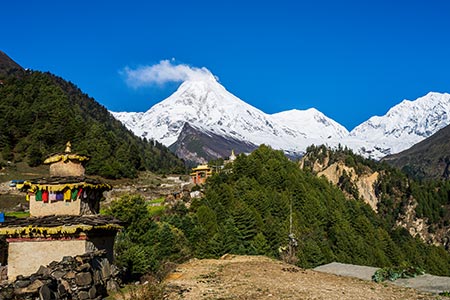
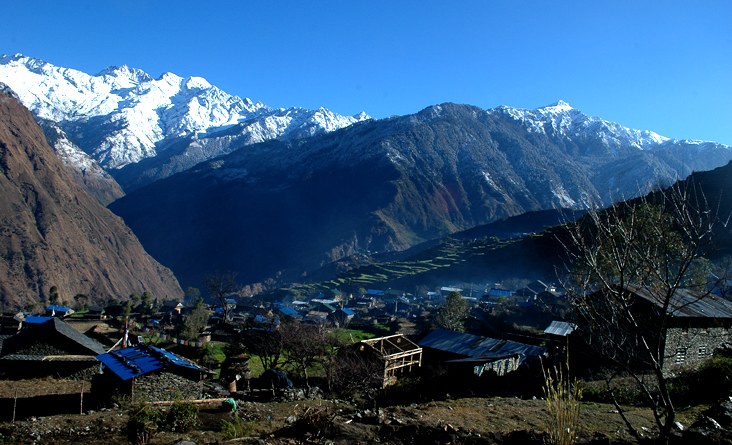
Ruby Valley Trek is one of Nepal’s hidden Himalayan journeys located between the Langtang National Park and Manaslu Conservation Area. This off-the-beaten-path trek offers authentic Tamang and Gurung culture, beautiful forests, waterfalls, alpine meadows, and panoramic mountain views of Ganesh Himal, Langtang, and Manaslu ranges. The trail is peaceful, less crowded, and ideal for trekkers looking for a real Himalayan village experience.
The Ruby Valley Trek is one of Nepal’s most beautiful and least-explored trekking adventures, offering travelers an authentic Himalayan experience away from the crowded trails. Located between the famous Langtang National Park and the Manaslu Conservation Area, Ruby Valley is a pristine region rich in natural beauty, cultural diversity, and breathtaking mountain scenery. Himalaya Heart Treks and Expedition proudly offers this unforgettable journey for trekkers seeking a unique and off-the-beaten-path adventure in Nepal.
Named after the precious rubies once discovered in the region, Ruby Valley is home to stunning landscapes, traditional villages, dense forests, cascading waterfalls, and panoramic views of some of Nepal’s highest peaks. Throughout the trek, visitors can experience the warm hospitality of local communities, including the Tamang, Gurung, and Ghale people, who have preserved their ancient traditions and lifestyles for generations.
Unlike the busy Everest and Annapurna regions, the Ruby Valley Trek remains relatively untouched by mass tourism. This makes it an ideal choice for trekkers who wish to explore Nepal’s hidden treasures while enjoying peaceful trails and authentic cultural encounters.
The journey takes you through picturesque villages, terraced farmlands, rhododendron forests, and high mountain ridges. Along the way, trekkers are rewarded with magnificent views of Ganesh Himal, Langtang Lirung, Manaslu, Annapurna, and several other snow-capped peaks.
One of the major highlights of the trek is crossing the scenic Pangsang Pass (3,850m), which offers spectacular sunrise and sunset views over the Himalayan range. The trek also includes visits to natural hot springs, sacred lakes, and traditional settlements where visitors can learn about local customs and lifestyles.
The Ruby Valley region is renowned for its rich cultural heritage. The Tamang and Gurung communities living in these remote mountain villages maintain strong Buddhist and Hindu traditions. Trekkers can visit ancient monasteries, prayer walls, chortens, and traditional homes while interacting with friendly locals.
Festivals, local dances, traditional dress, and authentic Nepalese hospitality make the cultural experience as memorable as the mountain scenery. Staying in local teahouses provides an excellent opportunity to taste homemade Nepalese meals and gain insight into everyday village life.
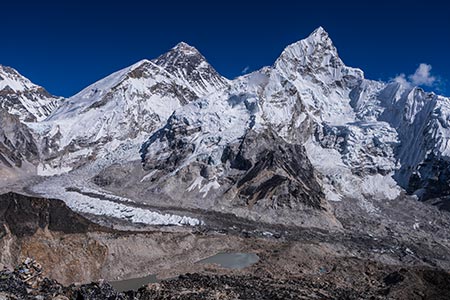
The Ruby Valley Trek offers some of the most impressive mountain panoramas in Nepal. Trekkers can enjoy close-up views of:
The changing landscapes, from lush forests to alpine meadows and high mountain ridges, create endless opportunities for photography and nature appreciation.
Nature lovers will be delighted by the diverse ecosystems found throughout the trek. The forests are home to various species of birds, Himalayan wildlife, and colorful rhododendron blooms during spring. The region's untouched environment provides a peaceful and refreshing escape into nature.
Trekkers may encounter Himalayan pheasants, monkeys, deer, and numerous species of mountain birds while exploring the beautiful trails.
The best seasons for the Ruby Valley Trek are:
During these months, the weather is generally stable, skies are clear, and mountain views are at their best. Spring offers blooming rhododendron forests, while autumn provides crisp air and exceptional visibility.
Himalaya Heart Treks and Expedition is a trusted local trekking company dedicated to providing safe, personalized, and unforgettable trekking experiences throughout Nepal. Our experienced guides, professional team, and commitment to excellent service ensure that every trek is enjoyable and hassle-free.
When you choose Himalaya Heart Treks and Expedition for your Ruby Valley Trek, you will benefit from:
Our team is passionate about sharing the beauty and culture of Nepal while supporting local communities and promoting sustainable tourism.
If you are searching for an authentic Himalayan adventure filled with stunning mountain views, rich culture, peaceful trails, and unforgettable memories, the Ruby Valley Trek with Himalaya Heart Treks and Expedition is the perfect choice. Escape the crowds, explore Nepal’s hidden valleys, and discover one of the country's most rewarding trekking destinations.
Join Himalaya Heart Treks and Expedition and experience the untouched beauty of Ruby Valley, where breathtaking landscapes and genuine Himalayan hospitality await every step of the journey.
Upon arrival at Tribhuvan International Airport, our representative from Himalaya Heart Treks will welcome you and transfer you to your hotel in Kathmandu. After check-in, you can relax or explore the lively streets of Thamel. In the evening, trek briefing and preparation meeting with your guide.
Early morning drive from Kathmandu through scenic hills, terraced farms, rivers, and mountain villages toward Syabrubesi. Along the way, enjoy beautiful views of Ganesh Himal and Langtang ranges.
Syabrubesi is the gateway to the Tamang Heritage and Ruby Valley region.
Driving Duration: 7–8 Hours
The trek begins with a steady uphill climb through forests and small Tamang settlements. After several hours of hiking, reach the beautiful Tamang village of Gatlang, famous for stone houses, traditional culture, and mountain scenery.
You can also visit Parvati Kunda, a sacred alpine lake nearby.
Walking Duration: 5–6 Hours
Today’s trail passes through pine and rhododendron forests with excellent Himalayan scenery. You will cross traditional villages and yak grazing areas before reaching Somdang, an old mining settlement known for zinc and mineral deposits.
The surrounding mountain views become more dramatic as altitude increases.
Walking Duration: 6–7 Hours
This is one of the most beautiful days of the trek. Early morning hike toward the spectacular Pangsang Pass.
From the top, enjoy breathtaking panoramic views of:
After enjoying the scenery, descend through forests and alpine meadows toward Tipling village.
Tipling is a charming mixed community village inhabited by Tamang and Gurung people.
Walking Duration: 6–7 Hours
The trail gradually descends through terraced fields, waterfalls, suspension bridges, and lush forests. Along the route, you will experience authentic rural Himalayan life far from modern tourism.
Borang is a peaceful village with beautiful mountain landscapes and warm local hospitality.
Walking Duration: 5–6 Hours
Today’s trek follows forest trails and traditional settlements. You may encounter local farmers, shepherds, and school children along the peaceful mountain paths.
Kuri village offers beautiful sunset views over the Ganesh Himal region.
Walking Duration: 5 Hours
Descend through subtropical forests and small hillside villages. Visit the ancient Moti Gompa and experience local Buddhist culture and traditions.
Continue trekking toward Raute Village where warmer temperatures and green landscapes welcome you.
Walking Duration: 6 Hours
After breakfast, drive back to Kathmandu through scenic hill roads and countryside landscapes.
Upon arrival in Kathmandu, transfer to hotel. Evening free for shopping or relaxing.
Driving Duration: 6–7 Hours
Accommodation: Hotel
Meals: Breakfast & Lunch
Depending on your flight schedule, transfer to Tribhuvan International Airport for your final departure.
The Ruby Valley Trek is an off-the-beaten-path trekking route in Nepal's Ganesh Himal region, located between Langtang National Park and the Manaslu Conservation Area. It's named after the ruby deposits once found in the area and is known for authentic Tamang and Gurung homestay culture.
The standard Ruby Valley Trek itinerary takes 10 days from Kathmandu to Kathmandu, though it can be shortened or extended depending on your pace and interests.
The Ruby Valley Trek typically costs between $700 and $1,000 per person for a standard 10-day package, depending on group size, season, and service level.
You'll need a TIMS card and a Langtang National Park entry permit. Unlike restricted areas such as Nar Phu or Upper Mustang, Ruby Valley does not require a special restricted-area permit.
The Ruby Valley Trek is rated easy to moderate. It's suitable for trekkers with reasonable fitness and does not require prior high-altitude trekking experience.
The highest point is Pangsang Pass at 3,842 meters, which offers panoramic views of Ganesh Himal, Langtang Lirung, and Manaslu.
The best seasons are autumn (September–November) and spring (March–May), when the weather is stable and mountain views are clearest.
The trek starts with a drive from Kathmandu to Syabrubesi and ends with a drive back to Kathmandu from Raute Village.
While parts of the route can technically be trekked independently, a licensed local guide is strongly recommended for navigation, safety, and cultural interpretation, especially since much of the trek relies on homestays.
Accommodation is mainly homestays, teahouses, and simple lodges. This is a homestay-based trek, offering an authentic experience of local village life rather than luxury lodging.
Yes. Because of its moderate elevation and manageable daily walking hours (5–7 hours), it's considered accessible for trekkers without prior high-altitude experience.
Trekkers enjoy close-up views of Ganesh Himal (7,422m), Langtang Lirung (7,227m), Manaslu (8,163m), and parts of the Annapurna range.
The route passes through villages inhabited by Tamang, Gurung, and Ghale communities, known for their Buddhist and Hindu traditions, stone houses, and warm hospitality.
The trek begins with a 7–8 hour scenic drive from Kathmandu to Syabrubesi, the gateway to the Ruby Valley and Tamang Heritage region.
Ruby Valley offers a peaceful, less-crowded alternative to busier routes like Everest or Annapurna, combining affordability, authentic homestay culture, and stunning Himalayan views — all within easy reach of Kathmandu.
One of the biggest draws of the Ruby Valley Trek isn't just the mountain scenery — it's the chance to walk through some of Nepal's most ethnically diverse hill country in a single trek. As the trail moves from the higher villages near Syabrubesi and Somdang down to the lower settlements toward Raute and Dhading, the people, languages, and traditions change from village to village, offering trekkers a rare cross-section of Himalayan Nepal.
The upper part of the trek — villages like Gatlang, Somdang, and Tipling — is dominated by the Tamang and Ghale communities, with Gurung families also present in several settlements. In the lower villages toward Borang, Kuri, and Raute, the population shifts to include Brahmin, Chhetri, Newar, Dalit, and Chepang communities. This means a single trek introduces you to several distinct ethnic groups, each with its own customs, architecture, and way of life, all within a compact 10-day route.
Religious life in Ruby Valley reflects this same diversity:
It's common to see a Buddhist monastery, a Hindu shrine, and a village church within walking distance of each other along the trail — a genuine reflection of how these communities have coexisted for generations.
Ruby Valley's cultural life is expressed through its dances, festivals, and rituals as much as through religion:
Unlike more commercial trekking regions, Ruby Valley has few teahouses or lodges — most nights are spent in local homestays, staying directly with Tamang, Gurung, and Ghale families. This isn't just a place to sleep; it's a genuine cultural exchange. Trekkers share home-cooked Nepali meals, hear local stories, and often get invited to join in evening cultural programs, songs, and dances performed by their host families.
This homestay-based model, first developed through community tourism initiatives in the region, also means your trek directly supports local households — making the Ruby Valley Trek as meaningful for the communities you visit as it is memorable for you.
Beyond its cultural richness, the Ruby Valley Trek is one of Nepal's most biodiverse trekking routes — a journey that moves through subtropical forests, rhododendron-covered hills, pine and oak woodlands, and high alpine meadows within a single week-long trek. Trekkers pass through the edge of Langtang National Park and close to the Manaslu Conservation Area, giving the trail an ecological richness that few short treks in Nepal can match.
As the trail climbs and descends between roughly 850m and 3,842m, the vegetation changes dramatically with the altitude:
The forests and remote ridgelines of Ruby Valley provide habitat for a wide range of Himalayan wildlife, much of it rarely disturbed thanks to the region's low visitor numbers:
Because Ruby Valley sees only a handful of trekkers each season, wildlife along the trail tends to be less disturbed than on Nepal's busier routes, making it a rewarding destination for nature lovers and birdwatchers alike.
Ruby Valley's terrain shifts constantly, and its natural landmarks are as much a highlight as the mountain views:
For trekkers seeking more than mountain views, Ruby Valley offers a genuine window into an intact Himalayan ecosystem — one where forest, farmland, and wildlife exist alongside centuries-old village life. Combined with its uncrowded trails and low environmental impact, Ruby Valley stands out as one of Nepal's best destinations for travelers who want authentic nature immersion alongside cultural discovery.
Planning what to eat, where to sleep, and how to stay hydrated is one of the most practical concerns for anyone researching the Ruby Valley Trek. Here's what to expect.
Food on the Ruby Valley Trek is simple, home-cooked, and deeply tied to the homestay experience that makes this trek special. Since much of the route runs through villages without commercial lodges, meals are typically prepared fresh by host families using locally grown ingredients.
Ruby Valley is best known as a homestay trek — one of Nepal's few remaining routes where trekkers stay directly with local families rather than in commercial teahouses.
Since Ruby Valley is a remote, less-developed trekking region, trekkers should plan their own water purification strategy rather than relying on bottled water.
One of the reassuring facts about the Ruby Valley Trek is that it carries a lower altitude sickness risk compared to high-altitude treks like Everest Base Camp or Annapurna Circuit. The trek's highest point, Pangsang Pass, sits at 3,842m — well below the elevations where severe Acute Mountain Sickness (AMS) becomes common. Still, trekkers gain elevation quickly on certain days, so understanding the basics of altitude sickness is worthwhile preparation.
Note: This is general trekking information, not medical advice. Always consult a doctor before high-altitude travel, especially if you have pre-existing health conditions.
Altitude sickness, or Acute Mountain Sickness (AMS), occurs when the body doesn't have enough time to adjust to lower oxygen levels at higher elevations. It typically begins to affect some travelers above 2,500–3,000m, and Ruby Valley's trail crosses this threshold on the days approaching Somdang and Pangsang Pass.
Mild to moderate symptoms may include:
Warning signs of more serious altitude illness (which require immediate descent and medical attention) include:
Because the trek's elevation profile stays under 4,000m and daily altitude gains are gradual compared to high-Himalayan routes, Ruby Valley is often recommended for:
That said, individual susceptibility to altitude sickness varies regardless of a trek's difficulty rating, so basic precautions remain important even on a moderate route like Ruby Valley.
If you or a fellow trekker experience symptoms of AMS:
The Ruby Valley Trek packs an unusual amount of variety into just 10 days — mountain views, ancient culture, pristine nature, and genuine off-the-beaten-path adventure, all within easy reach of Kathmandu. Here are the major attractions that make this trek stand out.
The undisputed highlight of the trek. This scenic pass offers sweeping panoramic views of Ganesh Himal, Langtang Lirung, and Manaslu, along with distant glimpses of the Annapurna range on clear days — all without the crowds found at high-altitude viewpoints elsewhere in Nepal.
Trekkers enjoy close-up views of some of Nepal's most impressive peaks throughout the journey, including:
The trek passes through traditional villages like Gatlang, Somdang, Tipling, Borang, and Kuri, where centuries-old Tamang, Gurung, and Ghale culture, architecture, and daily life remain largely untouched by mass tourism.
Unlike commercial trekking routes, Ruby Valley is defined by its homestay culture — trekkers stay directly with local families, sharing home-cooked meals and daily life rather than staying in standard lodges.
Buddhist gompas, prayer walls, chortens, and the historic Moti Gompa reflect the region's deep Tibetan Buddhist heritage, while villages like Tipling also showcase a rare mix of Buddhist, Hindu, and Christian traditions side by side.
Alpine lakes such as Parvati Kunda near Gatlang hold spiritual significance for local pilgrims, while natural hot springs (Tatopani) along the route offer a relaxing soak after long trekking days.
The trail moves through rhododendron forests, pine and oak woodlands, and alpine meadows, home to wildlife including musk deer, Himalayan langur, pheasants, and — occasionally — red panda or leopard.
Cascading waterfalls, suspension bridges, terraced farmland, and dense forest trails give the trek constant scenic variety from start to finish.
The valley's namesake gemstone — along with historic zinc and mineral deposits near Somdang — adds a unique geological and historical layer to the trekking experience.
With only a handful of trekkers visiting each season, Ruby Valley offers genuine solitude and an uncrowded alternative to Nepal's busier trekking regions like Everest and Annapurna.
Despite its remote feel, Ruby Valley is conveniently accessible — just a 7–8 hour drive from Kathmandu — making it one of the most logistically easy off-the-beaten-path treks in Nepal.
The Ruby Valley Trek begins with a scenic overland journey from Kathmandu to Syabrubesi, the gateway town to both the Langtang region and Ruby Valley.
Some Ruby Valley itineraries instead start from Dhading Besi, which is:
The route you take depends on which direction your itinerary follows — the Himalaya Heart Treks & Expedition 10-day route starts via Syabrubesi and finishes by driving back to Kathmandu from Raute Village, while some other operators begin from Dhading Besi and end in Syabrubesi (or vice versa).


See what travelers say about our service

Enjoy the popular trekking and tour packages in Nepal Himalayas. 2026.
Nepal , Manaslu Region Trekking
Manaslu Circuit Trek-14 DaysNepal , Annapurna Region Trekking
Annapurna Circuit TrekNepal , Annapurna Region Trekking
Mardi Himal Trek 2026Nepal , Annapurna Region Trekking
Upper Mustang Trek for 2026/2027Nepal , Annapurna Region Trekking
Ghorepani Poon Hill Trek 10 DaysNepal , Everest Region Trekking
Everest Base Camp Trek


Copyright ® Himalaya Heart Treks & Expedition Pvt Ltd