Last updated: September 2, 2026
Quick facts
Helambu Circuit Trek with Ama Yangri: duration is 13 Days, difficulty is moderate.
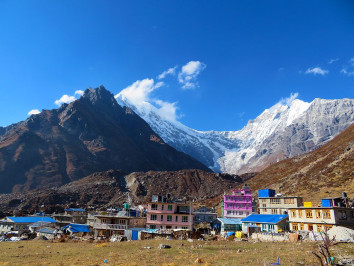
The Helambu Circuit Trek with Ama Yangri is a 13-day adventure through one of the most culturally rich yet lesser-crowded regions just north of Kathmandu, blending the traditional Sherpa and Tamang villages of Helambu with a rewarding side trip to the Ama Yangri viewpoint (around 3,771m), one of the best panoramic lookouts in the area for sweeping views of Langtang, Ganesh Himal, and even distant glimpses of the Annapurna range on clear days. The route winds through terraced farmland, rhododendron and oak forests, and centuries-old Buddhist monasteries, offering a gentler alpine experience than the high-altitude giants of Everest or Annapurna while still delivering genuine Himalayan scenery, warm homestay-style hospitality, and a real sense of off-the-beaten-path discovery — making it an excellent choice for trekkers who want authentic culture and solid mountain views without extreme altitude or a long commitment of time.
Tucked just north of Kathmandu, the Helambu region is one of Nepal's most underrated trekking destinations — close enough to reach without a domestic flight, yet remote enough to feel like a genuine escape into the hills. The Helambu Circuit Trek with Ama Yangri takes this classic route a step further, adding a rewarding side trip to the Ama Yangri viewpoint, a hilltop lookout that rewards trekkers with one of the finest panoramic views in the region.
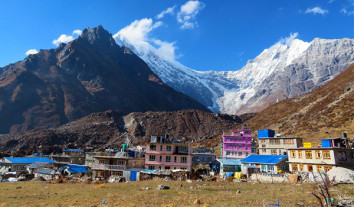
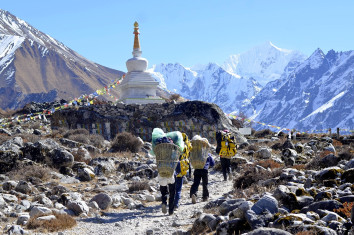
Over 13 days, the trek winds through a landscape shaped by centuries of Sherpa and Tamang settlement — terraced hillsides, dense rhododendron and oak forests, mani walls, chortens, and monasteries tucked into quiet villages like Sermathang, Tarkeghyang, and Melamchigaon. Unlike the high-altitude giants of the Everest or Annapurna regions, Helambu doesn't push trekkers above 4,000 meters for extended stretches, making it a comfortable, moderately paced trek suited to a wide range of fitness levels while still delivering real Himalayan scenery.
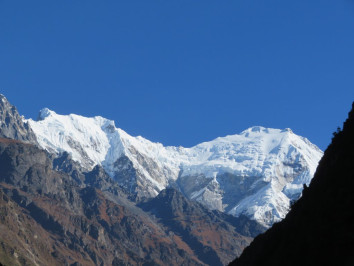
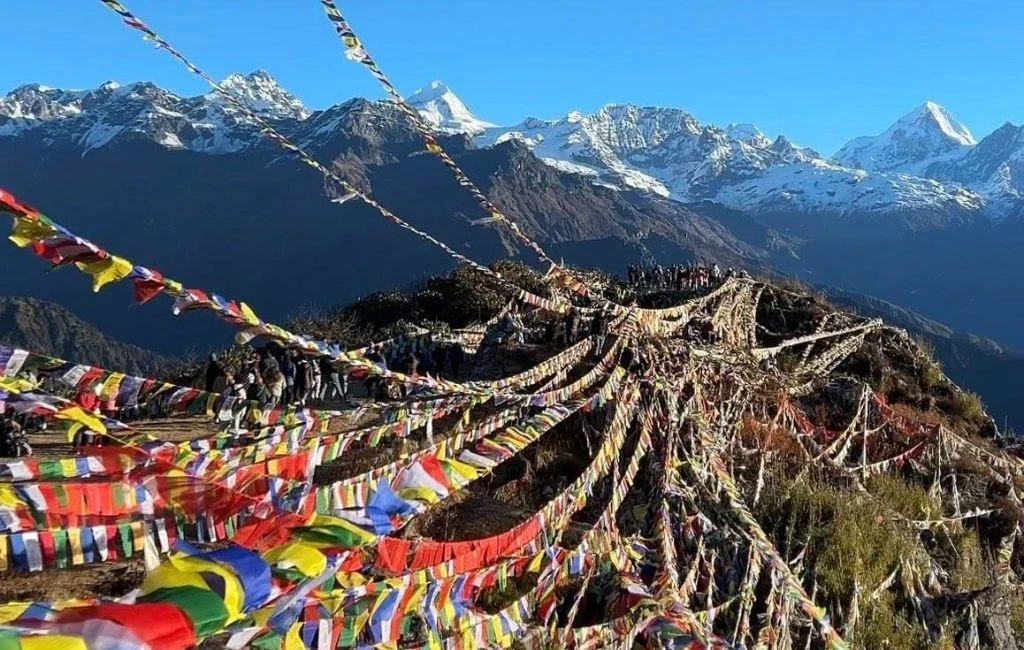
The highlight climb to Ama Yangri (roughly 3,771m) is where the trip earns its reputation. From the summit, clear days open up to a sweeping panorama that includes Langtang Lirung, Ganesh Himal, Dorje Lakpa, and on the clearest days, distant peaks of the Annapurna range far to the west. It's a demanding but manageable ascent, and for many trekkers, it becomes the single most memorable day of the entire circuit.
Beyond the mountain views, this trek is as much about culture as it is about altitude. Trekkers pass through villages where Tamang and Sherpa traditions remain deeply woven into daily life, staying in simple teahouses and lodges along the way, sharing meals of dal bhat and local dishes, and getting a genuine, unhurried look at rural Himalayan life that's largely untouched by the crowds found on Nepal's more famous trekking routes.
Altogether, the Helambu Circuit Trek with Ama Yangri offers a well-balanced blend of accessible trekking, authentic cultural immersion, and genuinely spectacular mountain views — making it an excellent choice for first-time Himalayan trekkers, those short on time, or anyone looking for a rewarding alternative to Nepal's more heavily trafficked trails.
| Season | Months | Conditions |
|---|---|---|
| Spring | March – May | Mild temperatures, blooming rhododendron and magnolia forests, clear mountain views — one of the best times for photography |
| Summer / Monsoon | June – August | Warm and humid, frequent rainfall, leeches on lower forest trails, clouds often obscure mountain views — generally avoided |
| Autumn | September – November | Stable weather, crisp clear skies, excellent visibility for Ama Yangri's summit views — the most popular season |
| Winter | December – February | Cold, especially at higher points like Ama Yangri, occasional snowfall on higher sections, quieter trails and fewer trekkers |
Best overall: Autumn (September–November) and spring (March–May) are the two ideal windows for this trek. Autumn offers the clearest, most stable skies for the Ama Yangri viewpoint, while spring adds the bonus of blooming rhododendron forests along the lower trails. Since Helambu doesn't push trekkers into extreme high altitude, winter is also a viable — if colder — option for those seeking a quieter trail with far fewer trekkers, though snow at higher points like Ama Yangri can occasionally affect the final ascent.
Upon your arrival at Tribhuvan International Airport in Kathmandu, our representative will meet you and transfer you to your hotel in Thamel.
After check-in, you can relax and recover from your journey. If you arrive early, you may take a short walk around Thamel and explore the lively streets, restaurants and shops.
Today is reserved for trek preparation and a detailed briefing about the Helambu Circuit Trek with Ama Yangri.
You can check your trekking equipment with your guide and purchase or rent any necessary items in Thamel. You will also have free time to explore Kathmandu.
If required, we can arrange a short sightseeing program around Kathmandu depending on your arrival schedule.
After breakfast, we drive from Kathmandu to Sundarijal, the starting point of the trek.
From Sundarijal, the trail enters the Shivapuri National Park and gradually climbs through beautiful forests of oak, rhododendron and pine. You pass small settlements and enjoy views of the Kathmandu Valley and surrounding hills.
The trail continues toward Chisapani, a popular viewpoint famous for its Himalayan sunrise and sunset.
Wake early to enjoy the sunrise over the Himalayan ranges, weather permitting.
After breakfast, the trail follows a scenic ridge through forests and traditional villages. You will experience the peaceful countryside of the Helambu region while enjoying views of the mountains.
The trail gradually climbs and descends through several small settlements before reaching Kutumsang.
Today is one of the more beautiful days of the trek. The trail climbs gradually through dense rhododendron and pine forests.
As you gain elevation, the landscape becomes more alpine and the views become increasingly impressive. You eventually reach Thadepati, an important high point on the Helambu trail.
From Thadepati, you can enjoy panoramic views of several Himalayan peaks and surrounding valleys.
After breakfast, we continue toward the traditional Sherpa village of Tarkeghyang.
The trail descends through forests and crosses beautiful mountain landscapes. Along the way, you will see traditional houses, Buddhist prayer flags, mani walls and small monasteries.
Tarkeghyang is one of the most culturally interesting villages in Helambu and offers a wonderful opportunity to experience local Sherpa traditions.
Today is dedicated to Ama Yangri, one of the highlights of the Helambu trek.
We trek from Tarkeghyang toward Ama Yangri through beautiful forests and alpine terrain. The trail becomes steeper as we approach the higher elevations.
Ama Yangri is regarded as a sacred Himalayan viewpoint by the local people. From the summit area, you can enjoy spectacular panoramic views of the Langtang, Jugal and surrounding Himalayan ranges, weather permitting.
After spending time enjoying the mountain scenery, we return to Tarkeghyang.
After breakfast, we continue deeper into the Helambu region.
The trail passes through forests, Buddhist monuments, prayer wheels and traditional villages. The walking today is comparatively comfortable, allowing you to enjoy the scenery and local culture.
We eventually reach Sermathang, a beautiful Sherpa settlement with impressive mountain views.
Today we leave Sermathang and continue through the picturesque Helambu countryside.
The trail passes through traditional settlements, cultivated terraces and forests. You will have opportunities to interact with local people and observe their traditional lifestyle.
We arrive at Melamchi Gaon, another important settlement in the Helambu region.
After breakfast, we continue our final section of trekking.
The trail gradually descends through villages and terraced farmland toward the lower valley. The scenery changes as we lose elevation, with warmer temperatures and more agricultural landscapes.
We reach Melamchi Bazaar, where we complete the trekking portion of the Helambu Circuit.
Trekking:
Overnight:
After breakfast, we drive back to Kathmandu by private vehicle.
The journey follows scenic countryside roads, passing rivers, hills, villages and terraced farmland before reaching Kathmandu.
After arriving at your hotel, you can rest or enjoy free time in Thamel.
Today is a free and relaxing day in Kathmandu.
You can explore Thamel, purchase souvenirs, visit local markets or simply rest after your trek. If you wish, an optional sightseeing tour of Kathmandu's cultural and historical attractions can also be arranged.
Your Helambu Circuit Trek with Ama Yangri comes to an end today.
Depending on your international flight schedule, our representative will transfer you from your hotel to Tribhuvan International Airport for your departure.
This trek is rated easy to moderate, making it a great choice for beginners and first-time Himalayan trekkers. It doesn't require technical climbing skills, though the ascent to Ama Yangri (3,771m) involves a steep, sustained climb that demands reasonable fitness and stamina.
The standard itinerary runs 13 days from Kathmandu to Kathmandu, including acclimatization and a full day dedicated to the Ama Yangri side trip and summit.
The highest point is the Ama Yangri viewpoint at approximately 3,771 meters (12,372 ft), which is considerably lower than treks like Everest Base Camp or Annapurna Circuit, reducing the risk of severe altitude sickness.
Autumn (September–November) and spring (March–May) are the best seasons, offering the clearest mountain views and most stable weather. Autumn is especially favored for its crisp visibility from the Ama Yangri summit.
Yes, trekkers need the Langtang National Park entry permit and a TIMS (Trekkers' Information Management System) card, both of which are typically arranged by your trekking agency before the trek begins.
No prior high-altitude trekking experience is required. The moderate pace, lower altitude, and well-established trail make it accessible to reasonably fit beginners, though some walking or hiking fitness beforehand is recommended.
Trekkers stay in teahouses and lodges in Kathmandu and along the trail, offering basic but comfortable twin-share rooms, home-cooked meals, and a chance to experience authentic Tamang and Sherpa hospitality.
Unlike treks such as Everest Base Camp, this trek doesn't require a domestic flight — it typically starts and ends with a scenic overland drive from Kathmandu, making it more time- and cost-efficient.
On clear days, the summit of Ama Yangri offers sweeping panoramic views of Langtang Lirung, Dorje Lakpa, Ganesh Himal, and, in exceptional conditions, distant peaks of the Annapurna range.
Yes, this trek is known for its rich cultural immersion. Trekkers pass through traditional Sherpa and Tamang villages like Sermathang, Tarkeghyang, and Melamchigaon, visiting centuries-old monasteries, mani walls, and experiencing genuine Himalayan village life along the way.
The Helambu Circuit Trek requires two main permits: the Langtang National Park Entry Permit and the TIMS (Trekkers' Information Management System) Card. Both are typically arranged in advance by your trekking agency and are essential for legally trekking within the region. Make sure to carry your passport, as photocopies and passport-sized photos are usually required for permit processing.
While the Helambu Circuit doesn't reach the extreme altitudes of treks like Everest Base Camp or Annapurna Circuit, the climb to Ama Yangri (3,771m) still involves a meaningful altitude gain. Mild symptoms of altitude discomfort — headaches, fatigue, or shortness of breath — can occur, especially if the ascent is rushed. Staying hydrated, pacing yourself, and listening to your guide's advice will help ensure a smooth and enjoyable climb.
This trek is well-suited to beginners, but a reasonable level of fitness still makes a real difference, particularly on the steep sections leading up to Ama Yangri. Regular walking, light cardio, and stair climbing in the weeks before departure will help make the daily trekking hours (typically 5–6 hours) more comfortable and enjoyable.
Accommodation along the trail consists of local teahouses and lodges offering basic twin-share rooms, generally with shared bathroom facilities. Meals are included during the trek and typically feature a mix of traditional Nepali dishes like dal bhat, noodle soups, and momos, along with simpler Western options at most teahouses. In Kathmandu, accommodation is usually in a standard hotel on a bed-and-breakfast basis.
An experienced, licensed local guide accompanies the trek throughout, offering support with navigation, cultural insights, and safety monitoring. Porters can also be arranged to carry the bulk of your luggage, allowing you to trek comfortably with just a light daypack. Both guides and porters are typically covered under the operator's insurance policy.
Essential items include comfortable, broken-in trekking boots, layered clothing (base layers, fleece, and a warm jacket), a waterproof and windproof outer shell, a warm hat and gloves, sunglasses, sunscreen, a reusable water bottle, and a basic personal first-aid kit. A good sleeping bag is recommended, especially for the higher-altitude nights near Ama Yangri, along with a headlamp for early-morning summit hikes.
Comprehensive travel insurance is strongly recommended for this trek, ideally covering trekking activities up to at least 4,000 meters, along with emergency medical treatment and evacuation if needed. While the altitude here is more moderate than other Himalayan treks, remote terrain still means limited access to medical facilities along the route.
Mobile network coverage is available in parts of the Helambu region but can be inconsistent at higher elevations. Basic Wi-Fi may be available in some teahouses for an additional charge, though it's best to expect limited connectivity overall and treat the trek as a genuine break from constant online access.
Given Helambu's rich cultural fabric, trekkers are encouraged to be mindful of local customs — dressing modestly in villages, asking permission before photographing locals or religious sites, and minimizing plastic waste along the trail. Supporting local teahouses and guides directly contributes to the sustainability of tourism in this less-commercialized region.


See what travelers say about our service

Enjoy the popular trekking and tour packages in Nepal Himalayas. 2026.
Nepal , Langtang Region Trekking
Langtang Valley Trek 2026/ 2027Nepal , Langtang Region Trekking
Langtang Gosaikunda Trek 2026/2027Nepal , Langtang Region Trekking
Langtang Gosainkunda Pass Trek



Copyright ® Himalaya Heart Treks & Expedition Pvt Ltd