
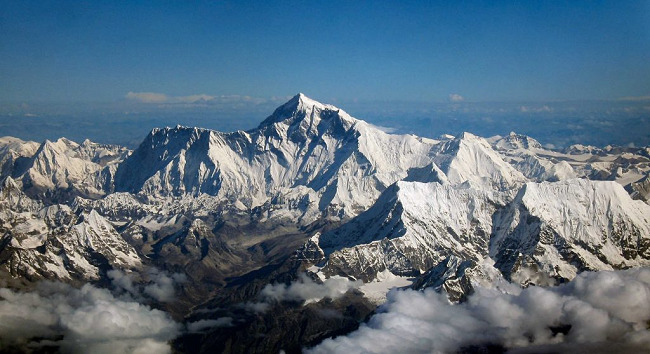
Standing at the base of the world's highest mountain is a dream for many travelers — but a full-service Everest Base Camp package isn't always within reach financially. That's exactly the gap the Budget Everest Base Camp Trek fills. By trimming away the extras and keeping the focus on the essentials — permits, flights, guide, and porter support — this option makes the legendary Khumbu trail accessible to trekkers who want the experience without the premium price tag. If you're looking for a cost-effective way to reach Everest Base Camp, the Budget Everest Base Camp Trek package from Himalaya Heart Treks & Expedition is built exactly for that.
Here's everything you need to know about the cost, itinerary, and how to prepare.
What Is the Budget Everest Base Camp Trek?
This is a 12-day trekking package that follows the same iconic route as the standard Everest Base Camp trek — through Sherpa villages, ancient monasteries, and the protected forests of Sagarmatha National Park — but with a leaner cost structure. The main difference is how meals and accommodation are handled: instead of bundling every meal into the package price, trekkers pay for their own food and lodging directly at teahouses along the trail. This gives you control over your daily spending while still getting full guide and porter support, all required permits, and round-trip flights between Kathmandu and Lukla.
Why Choose the Budget Version of This Trek
- Lower upfront cost: Cutting out prepaid meals and accommodation reduces the overall package price significantly
- Spending flexibility: You choose what and where to eat, rather than being locked into a fixed meal plan
- Same core experience: You still reach Everest Base Camp and Kalapatthar, following the identical trail used by pricier packages
- Ideal for independent-minded trekkers: A good fit for travelers who are comfortable managing some of their own logistics on the trail while still having guide support for safety and navigation
Budget Everest Base Camp Trek Itinerary
| Day | Route | Altitude |
|---|---|---|
| Day 1 | Fly to Lukla, trek to Phakding | 2,610m / 8,563ft |
| Day 2 | Trek from Phakding to Namche Bazaar (6 hours) | 3,440m / 11,286ft |
| Day 3 | Acclimatization Day in Namche | 3,440m / 11,286ft |
| Day 4 | Trek from Namche to Tengboche | 3,860m / 12,664ft |
| Day 5 | Trek from Tengboche to Dingboche (5–6 hours) | 4,410m / 14,468ft |
| Day 6 | Acclimatization Day in Dingboche | 4,410m / 14,468ft |
| Day 7 | Trek from Dingboche to Lobuche | 4,910m / 16,109ft |
| Day 8 | Trek to Everest Base Camp via Gorakshep | Gorakshep 5,164m/16,942ft → EBC 5,364m/17,598ft |
| Day 9 | Hike to Kalapatthar, trek to Pheriche | Kalapatthar 5,545m/18,192ft → Pheriche 4,210m/13,812ft |
| Day 10 | Trek to Namche Bazaar | 3,860m / 12,664ft |
| Day 11 | Trek to Lukla | 2,860m / 9,383ft |
| Day 12 | Fly to Kathmandu | 1,350m / 4,429ft |
Two dedicated acclimatization days — at Namche and Dingboche — are built into the schedule to help trekkers adjust safely to the altitude before pushing on toward base camp. The trek's highest point is Kalapatthar at 5,545m, reached the morning after visiting Everest Base Camp itself at 5,364m.
Trek Highlights Along the Way
- Namche Bazaar: The bustling trade hub of the Khumbu region, complete with shops, bakeries, and even ATMs
- Tengboche Monastery: A serene spiritual site offering panoramic views of Everest, Ama Dablam, and neighboring peaks
- Kalapatthar: The best vantage point on the entire trek for sunrise views over Mount Everest's summit
- Everest Base Camp itself: The ultimate destination, sitting at 5,364 meters beneath the shifting ice of the Khumbu Icefall
Budget Everest Base Camp Trek Cost
Package pricing for this trek typically starts from around USD 887 per person, making it one of the more affordable ways to reach base camp. The listed cost generally includes:
- Round-trip flights between Kathmandu and Lukla
- A licensed English-speaking trekking guide
- Required permits, including Sagarmatha National Park fees and local municipality taxes
- Basic first-aid support and safety equipment for the guide
Typically excluded from the base price are accommodation, meals, porter service (available as an add-on, generally around USD 20 per day), international flights, Nepal visa fees, personal travel insurance, and tips. Because meals and lodging are paid directly to teahouse owners along the trail, trekkers have full control over how much they spend day to day — a useful feature for anyone traveling on a tighter budget.
Best Time for the Budget Everest Base Camp Trek
The most favorable trekking windows are the pre-monsoon season (March–May) and the post-monsoon season (September–November). Both periods bring stable weather, clearer skies, and more predictable trail conditions, which is especially valuable at high altitude where visibility and safety are closely linked. Spring also adds the bonus of blooming rhododendrons along the lower trail sections.
Difficulty and Fitness Requirements
This trek is rated moderately difficult, involving 5–7 hours of daily walking and a steady altitude gain that peaks at 5,364 meters at base camp (with Kalapatthar going even higher, to 5,545 meters). No technical climbing is required, but a solid baseline of cardiovascular fitness makes the long trekking days more manageable. The built-in acclimatization days go a long way toward reducing the risk of altitude sickness, though trekkers should still stay alert to early symptoms and communicate with their guide.
Essential Packing Tips for the Budget Trek
- Warm layered clothing: down jacket, fleece, and thermal base layers
- Sturdy, broken-in trekking boots
- A sleeping bag rated for sub-zero temperatures
- Trekking poles for the steep and uneven sections
- Sunglasses, sunscreen, and lip balm for high-altitude UV exposure
- A basic personal first-aid kit and any personal medication
- Water purification tablets or a filter, since bottled water becomes pricier at altitude
Money-Saving Tips for the Trek
- Carry sufficient Nepali cash before leaving Kathmandu — prices rise and ATMs disappear the higher you go
- Choose simpler, local dishes like dal bhat over imported items on teahouse menus to keep meal costs down
- Bring your own snacks and energy bars from Kathmandu, where prices are considerably lower
- Refill water bottles with purified water instead of repeatedly buying bottled water on the trail
- Confirm in advance exactly what your package includes so there are no surprise costs mid-trek
Other Similar Trekking Packages in the Everest Region
If the Budget Everest Base Camp Trek has you excited about the Khumbu region but you're looking for a different pace, duration, or experience, here are a few other excellent options in the Everest region worth considering:
Everest View Trek – 8 Days
For travelers short on time but still eager to witness the grandeur of the Himalayas, the Everest View Trek is a shorter alternative that reaches Namche Bazaar and the Everest View Hotel without pushing all the way to base camp. In just 8 days, trekkers get sweeping views of Everest, Ama Dablam, and Lhotse, along with a taste of Sherpa culture, making it ideal for families, first-timers, or anyone with limited vacation time.
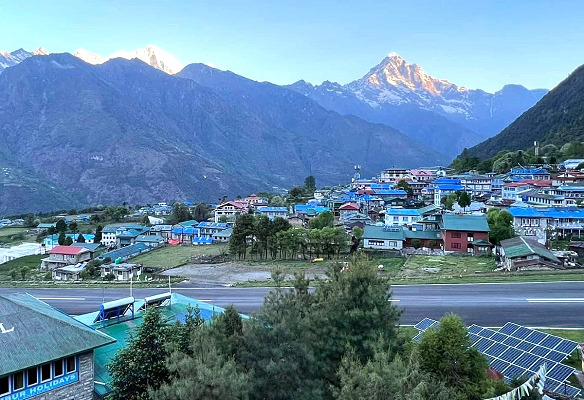
Gokyo Valley Trek
An excellent alternative to the classic base camp route, the Gokyo Valley Trek leads trekkers to the stunning turquoise Gokyo Lakes and up Gokyo Ri for one of the most spectacular panoramic views in the entire Khumbu region, including four 8,000-meter peaks visible from a single vantage point. This trek follows a quieter trail than the main EBC route, making it a great choice for trekkers seeking equally dramatic scenery with fewer crowds.
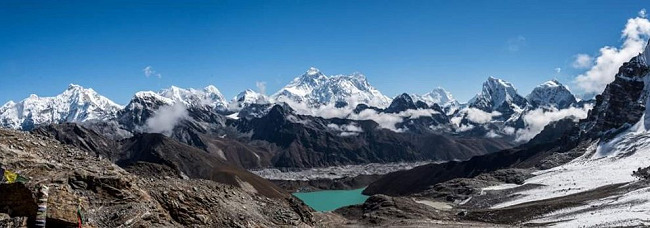
Everest Panorama Trek
Designed for trekkers who want mountain views without the demands of high-altitude trekking, the Everest Panorama Trek stays at more moderate elevations while still delivering stunning close-up views of Everest, Ama Dablam, and the surrounding peaks. It's a gentler introduction to the Khumbu region, well suited to trekkers with limited time, older travelers, or those trekking with children.
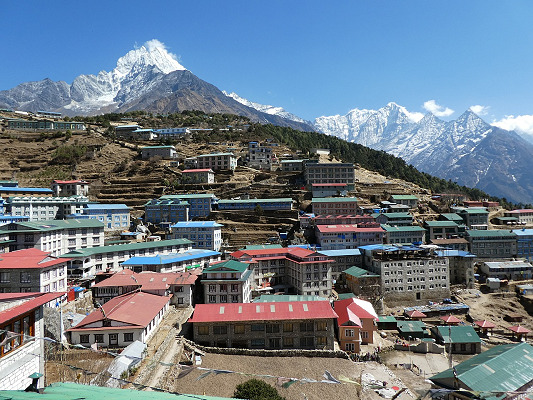
Pikey Peak Trek
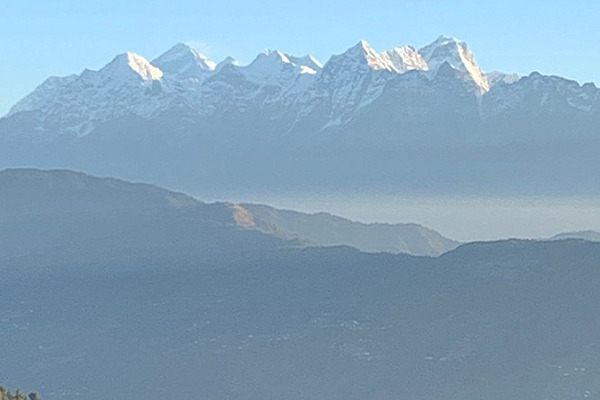
Often described as offering some of the best sunrise views in all of Nepal, the Pikey Peak Trek takes a quieter, less-crowded route through traditional Sherpa villages in the lower Everest region. Sir Edmund Hillary himself is said to have called the view from Pikey Peak one of the finest in the Himalayas, and the trek's shorter duration and easier trails make it accessible to a wide range of fitness levels.
Gokyo Renjo La Pass Trek
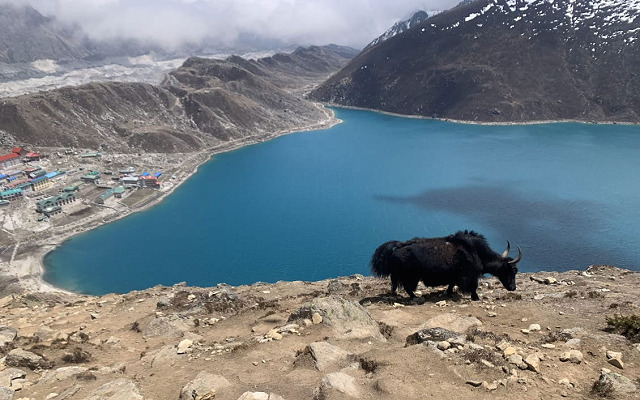
For more adventurous trekkers looking to combine multiple highlights of the Everest region, the Gokyo Renjo La Pass Trek links the beautiful Gokyo Lakes with a crossing of the challenging Renjo La Pass at over 5,300 meters. This route rewards trekkers with dramatic high-altitude scenery and a genuine sense of accomplishment, making it a strong choice for those with prior trekking experience who want to go beyond the standard base camp itinerary.
Comparing these routes against the Budget Everest Base Camp Trek can help you find the option that best matches your available time, fitness level, and the kind of Himalayan experience you're after.
Final Thoughts
The Budget Everest Base Camp Trek proves that reaching the foot of the world's tallest mountain doesn't have to come with a premium price tag. By handling meals and accommodation independently while still benefiting from expert guide support and all necessary permits, trekkers get the full Everest experience — Sherpa culture, high mountain views, and that unforgettable moment at base camp — without stretching their budget. To check current departure dates and start planning, visit the Budget Everest Base Camp Trek page from Himalaya Heart Treks & Expedition.
Budget Everest Base Camp Trek (FAQs)
1. What exactly makes this trek "budget," and what am I giving up compared to a regular EBC package?
The core difference is how meals and accommodation are handled. Instead of bundling every breakfast, lunch, and dinner into a fixed package price, you pay teahouse owners directly for food and lodging as you go. You still get the same trail, the same guide support, the same permits, and the same flights — you're simply trading a prepaid, all-inclusive structure for more control (and more responsibility) over your day-to-day spending.
2. How much should I realistically budget for meals and accommodation on top of the package price?
Teahouse rooms are often inexpensive or even free if you eat your meals there, but food prices climb steadily with altitude since everything is carried in by porters or yaks. Expect to spend more per meal in Dingboche or Lobuche than in Phakding or Namche. Budgeting roughly USD 25–35 per day for food and lodging combined is a reasonable estimate, though prices vary by teahouse and season.
3. Is it safe to trek without prepaid meals, or could I run out of money mid-trek?
It's generally safe as long as you carry enough Nepali cash before leaving Kathmandu, since ATMs become unreliable or nonexistent past Namche Bazaar. Guides are experienced at helping trekkers estimate daily costs, and most teahouses accept cash only, so planning your cash reserve in advance is the main precaution to take.
4. Why are there two acclimatization days, and can I skip one to save time?
The acclimatization days at Namche Bazaar (Day 3) and Dingboche (Day 6) are built in specifically to reduce the risk of altitude sickness, which becomes a real concern above 3,000 meters. These aren't rest days in the sense of doing nothing — they usually involve a hike to a higher elevation before returning to sleep lower, which helps the body adjust. Skipping them significantly increases health risk and generally isn't recommended by guides or operators.
5. What's the difference between reaching Everest Base Camp and reaching Kalapatthar, and do I need to do both?
Everest Base Camp (5,364m) sits at the foot of the Khumbu Icefall but doesn't actually offer a clear view of Everest's summit, since the mountain is partially blocked by neighboring peaks from that angle. Kalapatthar (5,545m), reached the next morning, is the trek's best vantage point for an unobstructed sunrise view of Everest itself. Most itineraries include both, and skipping Kalapatthar would mean missing the trek's most photographed moment.
6. How does the porter add-on work, and is it worth the extra cost?
Porters typically cost around USD 20 per day, including their insurance and personal expenses, and each porter usually carries gear for one or two trekkers depending on the operator's policy. For trekkers concerned about fatigue at altitude, hiring a porter to carry the main pack (leaving you with just a light daypack) often makes a noticeable difference in how manageable the daily trekking hours feel.
7. What kind of food is available on the trail, and how does eating "budget-style" affect variety?
Teahouses along the route generally offer a mix of Nepali staples like dal bhat (rice, lentils, and vegetables) alongside simpler international options like pasta, fried rice, and soups. Since you're paying out of pocket, sticking to local dishes like dal bhat — which often comes with free refills — is both cheaper and more filling than imported items like pizza or muesli, which cost more the higher you climb.
8. Do I still need travel insurance if I'm keeping costs low elsewhere?
Yes — this is one area not worth cutting corners on. Given the trek reaches over 5,500 meters, travel insurance covering high-altitude trekking and helicopter evacuation is essential, not optional. A medical emergency or evacuation at altitude can cost thousands of dollars without coverage, which would far outweigh any savings made on the trek itself.
9. Is the Budget Everest Base Camp Trek a good fit for solo travelers?
Yes, solo travelers are common on this route, and many operators offer fixed group departures that let solo trekkers join others heading the same way, which can also help offset costs like porter-sharing. Trekking with a guide, even solo, provides both safety support and route knowledge that independent trekking without any support would lack.
10. How physically demanding is this trek compared to other Everest region treks?
It follows the same trail and altitude profile as the standard Everest Base Camp trek, so the physical demands — 5 to 7 hours of daily walking, cumulative altitude gain, and the long summit-day push to Kalapatthar — are identical. The "budget" aspect affects cost structure only, not the trail's difficulty, so trekkers should prepare physically the same way they would for any standard EBC itinerary.