
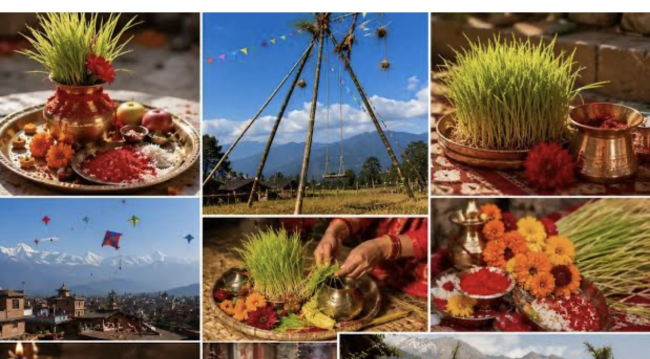
Dashain, Nepal’s biggest and most beloved festival, has come to a close. The tika has been received, the family reunions are done, and Kathmandu is getting back to its usual rhythm. For trekkers and climbers, this is the moment that matters.
The festival is over, but the best weeks of Nepal’s autumn season are still ahead. If you’ve been waiting for the right time to book your Himalayan adventure, now is that time.
Why the Season Peaks After Dashain
Dashain usually falls in early to mid October, right as the monsoon clears out. The effect on the mountains is dramatic:
- Crystal-clear skies. The rains wash dust from the air, so Everest, Lhotse, Ama Dablam, Annapurna and Manaslu stand out sharply against deep blue.
- Stable, comfortable weather. Days are mild and dry, nights are crisp, and trails are firm underfoot.
- Lush landscapes. Forests and terraced fields are still green from the monsoon, and the autumn harvest adds golden color to the villages.
- Festival atmosphere. Many mountain communities are still in a festive mood, with plenty of warmth and hospitality along the way.
October through November is widely considered the most reliable trekking and climbing window of the year, and the weeks right after Dashain are among its best.
Treks to Consider This Autumn
Every region is at its best right now. Here are some of the most popular options from our current packages.
Everest Region
The classic Everest Base Camp Trek takes 15 days. It leads you through Sherpa villages, Buddhist monasteries and high alpine valleys to the foot of the world’s highest mountain. Short on time? Our 12-day Everest Base Camp itinerary is a good alternative, and the Pikey Peak Trek gives a wonderful Everest panorama in just 7 days.
Annapurna Region
The Annapurna Circuit Trek is a great fit for trekkers who love variety. It crosses dramatic landscapes, from subtropical lowlands to the high Thorong La Pass. For something shorter, the Ghorepani Poon Hill Trek offers rhododendron forests and a spectacular sunrise over the Annapurna and Dhaulagiri ranges.
Manaslu Region
For a more remote, less crowded experience, the Manaslu Circuit Trek is hard to beat. Autumn brings the best visibility on this restricted-area route, which circles the world’s eighth-highest mountain.
Langtang and Short Treks
Not ready for a long expedition? The Langtang Valley Trek and our short treks around the Kathmandu Valley are easy to reach and full of culture.
Peak Climbing: A Prime Time for Summits
Autumn is also the favored season for Nepal’s trekking peaks, where stable weather and good snow conditions improve your summit chances. Three popular climbs are available:
- Island Peak (6,189 m). A classic first Himalayan summit, combining a trek through the Khumbu with a rewarding climb.
- Lobuche East (6,119 m). A more technical, exciting climb with sweeping views of Everest, Nuptse and Lhotse.
- Mera Peak (6,476 m). One of Nepal’s highest trekking peaks, with a panorama that takes in five of the world’s 8,000-meter giants.
Peak climbing needs proper acclimatization, good fitness and experienced guides. That is why we build generous acclimatization time into every itinerary and send each group out with trained, certified mountain guides.
Book Now: The Season Moves Fast
Once Dashain ends, demand rises quickly. Trekkers who have been planning all year start arriving at once. The practical effects are:
- Teahouses and lodges fill up, especially on popular routes like Everest and Annapurna.
- Domestic flights, including mountain flights to Lukla, get busy. Booking early gives you more flexibility if schedules shift.
- Group departures fill early. Joining a fixed departure is a good way to share costs and meet fellow travelers.
Booking now makes sure your guides, permits, transport and accommodation are arranged ahead of time.
Why Travel With Himalaya Heart Treks?
Himalaya Heart was formed in 2004 by senior mountain guides who had spent many years leading groups across the Himalayas. We don’t claim to be the biggest agency in Nepal. We simply work hard, as a team, to make sure your journey runs smoothly.
- Local expertise. Our Kathmandu-based team knows every trail, village and pass.
- Trusted reputation. We are rated highly by travelers on TripAdvisor.
- Recognized and registered. We are affiliated with the Nepal Tourism Board (NTB), the Trekking Agencies’ Association of Nepal (TAAN) and the Nepal Mountaineering Association (NMA).
- Flexible planning. From fixed departures to fully customized private trips, we can shape the journey around you.
- Support at every step. Our team is reachable 24/7 for questions before and during your trip.
A Few Tips for Your Autumn Trek
- Pack in layers. Days can be warm, but mornings, evenings and high altitudes get cold quickly.
- Take acclimatization seriously. Go slowly, drink plenty of water and listen to your body.
- Get travel insurance that covers high-altitude trekking and emergency evacuation.
- Train beforehand. Walking, hiking and cardio in the weeks before your trip make a big difference.
Your Himalayan Adventure Starts Now
Dashain may have ended, but the mountains are calling, and the sky has never looked better. Whether you dream of standing at Everest Base Camp, crossing Thorong La or summiting your first 6,000-meter peak, Nepal’s autumn season is the time to do it.
Ready to plan your trip? Message our team on WhatsApp at +977 9851093973 (Thakur) or +977 9851087761 (Shital), email info@himalayaheart.com, or visit himalayaheart.com to explore all our trekking and peak climbing packages.
Namaste, and see you on the trail!