
If you're searching for Gokyo Renjo La Pass Trek cost, Gokyo Renjo La Pass Trek itinerary, Renjo La Pass permits, or the best time for Gokyo Lakes trek, this guide from Himalaya Heart Treks & Expedition covers everything you need — updated for the 2026 and 2027 trekking seasons.
The Gokyo Renjo La Pass Trek is one of the most rewarding off-the-beaten-path adventures in the Everest region. It combines the turquoise Gokyo Lakes, the panoramic summit of Gokyo Ri, and a dramatic crossing of Renjo La Pass — all while avoiding the crowded main trail to Everest Base Camp. Whether you're comparing Gokyo Lakes trek cost, checking the Renjo La Pass altitude, or planning your Everest region trekking permits, you'll find it below.
Why Trek Gokyo Renjo La Pass with Himalaya Heart Treks & Expedition?
Himalaya Heart Treks & Expedition has been guiding trekkers through the Khumbu region with licensed local guides, transparent pricing, and small-group departures. Unlike the busier Everest Base Camp route, the Gokyo Renjo La Pass trek route takes you through quiet Sherpa villages, glacial valleys, and one of the finest Everest viewpoints in Nepal — Renjo La Pass at 5,360 m (17,585 ft).
Key highlights of Gokyo Renjo La Pass Trek
- Gokyo Ri sunrise view (5,483 m) over Everest, Lhotse, Makalu, and Cho Oyu
- Ngozumpa Glacier, Nepal's longest glacier
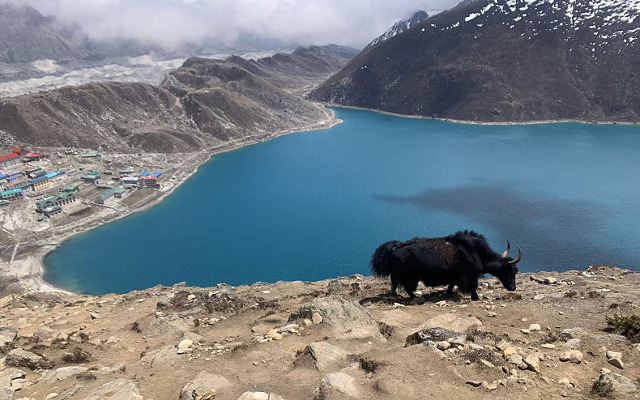
- The turquoise Gokyo Lakes chain
- A dramatic, less-crowded crossing of Renjo La Pass
- Authentic Sherpa culture in Namche Bazaar, Khumjung, and Dole
Gokyo Renjo La Pass Trek Overview
| Detail | Information |
|---|---|
| Duration | 12–16 days (Kathmandu to Kathmandu) |
| Max Altitude | Renjo La Pass, 5,360 m / 17,585 ft |
| Trek Distance | Approx. 90–120 km round trip |
| Difficulty | Moderate to challenging (high-altitude pass crossing) |
| Region | Sagarmatha (Everest) National Park, Khumbu |
| Best Season | March–May (spring) and September–November (autumn) |
| Starting Point | Lukla (via flight from Kathmandu) |
| Accommodation | Teahouses/lodges throughout |
| Group Size | Private or small group departures available |
Gokyo Renjo La Pass Trek Cost 2026–2027
One of the most searched questions is: "How much does the Gokyo Renjo La Pass trek cost?"
Trek pricing across Nepal-based operators typically falls between USD 1,300 and USD 1,900 per person, depending on group size, trip duration, and service level. Himalaya Heart Treks & Expedition structures its packages to be transparent, with no hidden fees.
What's Usually Included in the Trek Cost
- Kathmandu–Lukla–Kathmandu domestic flights
- All necessary trekking permits (Sagarmatha National Park + Khumbu Pasang Lhamu Rural Municipality)
- Teahouse/lodge accommodation during the trek
- Three meals a day (breakfast, lunch, dinner) while trekking
- An experienced, licensed English-speaking trekking guide
- Porter service (typically one porter per two trekkers)
- First-aid kit and basic trekking equipment support
- All government and local taxes
What's Usually Excluded
- Nepal entry visa fee
- International airfare
- Personal travel insurance (including high-altitude helicopter evacuation cover)
- Lunch and dinner in Kathmandu
- Personal expenses, hot showers, Wi-Fi, and battery charging on the trail
- Tips for guides and porters
Cost-saving tip: Group departures reduce the per-person cost significantly compared to solo or private trekking, since flights, guides, and permits are shared.
Gokyo Renjo La Pass Trek Permits
Trekking in the Khumbu region requires two mandatory permits — no special restricted-area permit is needed since Gokyo and Renjo La fall within general trekking areas.
1. Sagarmatha National Park Entry Permit
- Cost: Approximately NPR 3,000 (around USD 25–27) per foreign trekker
- Issued in Kathmandu or checked at the park entrance near Monjo
2. Khumbu Pasang Lhamu Rural Municipality Entry Permit
- Cost: Approximately NPR 2,000 (around USD 18–20) per person
- Collected at Lukla or along the trail
Both permits are arranged directly by Himalaya Heart Treks & Expedition as part of your trek package, so you won't need to queue at government offices in Kathmandu.
Note: Requirements and permit rates are reviewed periodically by Nepal's tourism authorities, so always confirm current rates with your operator before departure.
Gokyo Renjo La Pass Trek Itinerary
This sample Gokyo Renjo La Pass trek itinerary can be customized for shorter or longer durations, and can even be extended to include Everest Base Camp or Cho La Pass.
| Day | Itinerary | Altitude |
|---|---|---|
| Day 1 | Arrival in Kathmandu | 1,350 m |
| Day 2 | Kathmandu Valley Sightseeing Tour | 1,350 m |
| Day 3 | Fly from Kathmandu to Lukla and Trek to Phakding | 2,860 m → 2,610 m |
| Day 4 | Trek from Phakding to Namche Bazaar | 3,440 m |
| Day 5 | Acclimatization Day in Namche Bazaar | 3,440 m |
| Day 6 | Trek from Namche Bazaar to Dole | 4,200 m |
| Day 7 | Trek from Dole to Machhermo | 4,470 m |
| Day 8 | Trek from Machhermo to Gokyo | 4,790 m |
| Day 9 | Explore Gokyo Lakes and Climb Gokyo Ri | 5,357 m |
| Day 10 | Trek from Gokyo to Renjo La Pass and Descend to Marlung | 5,360 m → 4,210 m |
| Day 11 | Trek from Marlung to Thame | 3,800 m |
| Day 12 | Trek from Thame to Namche Bazaar | 3,440 m |
| Day 13 | Trek from Namche Bazaar to Lukla | 2,860 m |
| Day 14 | Fly from Lukla to Kathmandu | 1,350 m |
| Day 15 | Final Departure from Nepal | — |
Himalaya Heart Treks & Expedition builds acclimatization days into every itinerary to reduce altitude sickness risk and maximize your chances of a safe, successful crossing.
Best Time for the Gokyo Renjo La Pass Trek
Trekkers frequently search "best season for Renjo La Pass" — here's the breakdown:
- Autumn (September–November): The most popular season. Stable weather, clear skies, and the best mountain visibility from Gokyo Ri and Renjo La.
- Spring (March–May): Warmer temperatures, blooming rhododendron forests at lower elevations, and excellent visibility.
- Winter (December–February): Fewer crowds, but extreme cold and heavy snow can make Renjo La Pass difficult or impassable.
- Monsoon (June–August): Not recommended — rain, leeches at lower elevation, and low visibility of the peaks.
Is the Gokyo Renjo La Pass Trek Safe?
Yes, the Gokyo Renjo La Pass Trek is generally safe when properly planned and undertaken with an experienced guide. However, it is a challenging high-altitude trek, so trekkers may face risks such as altitude sickness, cold weather, snow, slippery trails, and changing mountain conditions.
Proper acclimatization, staying hydrated, walking at a steady pace, carrying suitable trekking gear, and following your guide’s advice can significantly improve safety. With good preparation and responsible trekking, the Gokyo Renjo La Pass Trek offers a safe and unforgettable Himalayan adventure.
Gokyo Renjo La Pass Trek: Safety, Insurance & Rescue Guide
Safety on the Gokyo Renjo La Pass Trek depends on proper acclimatization, an experienced guide, and solid insurance — this is a genuine high-altitude trek crossing 5,360m.
Travel Insurance (Mandatory): Coverage must include trekking up to 5,360m+, emergency helicopter evacuation, medical treatment, and trip delays. Carry a copy of your policy at all times.
Health & Safety: Take the acclimatization days at Namche Bazaar and Gokyo seriously, stay hydrated, and watch for AMS symptoms above 3,000m. An experienced guide is essential for navigating the pass and responding to emergencies. Trails near the pass and moraine sections can be icy or exposed — proper gear and careful footing matter.
Emergency Rescue: Helicopter evacuation points exist at Gokyo and other key stops along the route, making rescue faster than on more remote treks — but insurance must explicitly cover high-altitude helicopter evacuation.
Connectivity: Mobile signal and Wi-Fi are available at most lodges through Namche and Gokyo, though service can be patchy near the pass itself. Bring a power bank, as charging often costs extra.
What a Good Agency Provides: An experienced guide familiar with the pass, a well-paced itinerary with built-in acclimatization, first aid support, and evacuation coordination if needed.
With the right insurance and an experienced guide, the Gokyo Renjo La Pass Trek can be enjoyed safely — letting you focus on the lakes, the pass, and the mountain views.
How Difficult Is the Gokyo Renjo La Pass Trek?
The Gokyo Renjo La Pass Trek is a challenging high-altitude trek suitable for trekkers with good fitness and some previous trekking experience. The route involves steep climbs, long walking days, and crossing Renjo La Pass at 5,360 meters.
With proper acclimatization, physical preparation, and an experienced guide, most fit trekkers can complete this adventure safely.
Gokyo Renjo La Pass Trek Difficulty & Altitude Sickness
The Gokyo Renjo La Pass Trek is considered moderate to challenging, largely because of the altitude at Renjo La Pass (5,360 m) rather than technical climbing skills. Trekkers should be in good cardiovascular condition and ideally have prior hiking or trekking experience.
Tips to Prevent Altitude Sickness
- Follow a gradual ascent profile with built-in acclimatization days
- Stay well hydrated throughout the trek
- Avoid alcohol and sleeping pills at higher elevations
- Consider a preventive medication such as Diamox, after consulting a doctor
- Descend immediately if symptoms worsen, and always trek with an experienced guide
Altitude Sickness on Gokyo Renjo La Pass Trek: Symptoms, Prevention & Tips
Crossing Renjo La Pass (5,360m) and Gokyo Ri (5,357m), this trek carries real altitude risk, with several consecutive nights above 3,400m. Proper preparation matters.
This is general information, not medical advice — consult a doctor before high-altitude travel, especially with pre-existing conditions.
Common Symptoms
Headache, nausea, dizziness, fatigue, poor sleep, and shortness of breath. Seek immediate descent if you notice a severe unrelenting headache, persistent vomiting, confusion, or breathing difficulty at rest.
Prevention Tips
- Don't skip acclimatization days at Namche Bazaar and Gokyo
- Follow "climb high, sleep low" on scheduled side hikes
- Stay hydrated and eat energy-rich meals
- Avoid alcohol and smoking
- Walk at a steady pace, especially on summit days to Renjo La and Gokyo Ri
- Tell your guide immediately if symptoms appear
- Consider Diamox after consulting your doctor beforehand
Why This Trek Carries Real Risk
At over 5,300m with multiple nights above 3,400m, this is a genuine high-altitude trek — riskier than moderate treks like Ruby Valley or Tsum Valley. Acclimatization days are mandatory, not optional.
If Symptoms Appear
Stop ascending, tell your guide, descend if symptoms worsen, and evacuate if severe symptoms develop — helicopter rescue points exist at Gokyo and other key stops.
What to Pack for the Gokyo Renjo La Pass Trek
A well-prepared packing list makes a major difference in comfort during a high-altitude teahouse trek:
- Insulated down jacket and fleece layers
- Waterproof, broken-in trekking boots
- Thermal base layers and moisture-wicking clothing
- Sleeping bag rated for sub-zero temperatures
- Trekking poles for steep and rocky sections, especially near Renjo La
- Sunglasses (UV protection), sunscreen, and a wide-brim hat
- Headlamp with spare batteries
- Water purification tablets or a filter bottle
- Personal first-aid kit and any personal medications
Flora, Fauna & Natural Beauty of Renjo La Pass Trek
Set within the UNESCO-listed Sagarmatha National Park, the Renjo La Pass Trek offers one of the Everest region's richest doses of high-altitude biodiversity, alongside its famous mountain views and turquoise Gokyo Lakes.
Flora
The trail moves from rhododendron, pine, juniper, and fir forests at lower elevations up through birch, hemlock, and bamboo groves, thinning into alpine shrubs, mosses, and hardy grasses near the pass. Spring (March–May) is the best time to catch the rhododendron forests in full bloom, painting the lower trail red, pink, and white.
Fauna
Sagarmatha National Park protects some of the Himalayas' rarest wildlife, and trekkers along this route have a genuine chance of spotting:
- Himalayan tahr and shy musk deer
- The elusive snow leopard and red panda, both found in the park's remoter zones
- Himalayan black bear
- Over 200 bird species, including the colorful Himalayan monal (Nepal's national bird), snowcocks, and lammergeiers (bearded vultures)
Natural Beauty
Beyond the wildlife, the route is defined by dramatic high-alpine scenery — the turquoise Gokyo Lakes, the vast Ngozumpa Glacier (Nepal's largest), and sweeping views from Renjo La Pass (5,360m) and Gokyo Ri (5,357m) across Everest, Lhotse, Cho Oyu, and Makalu. Suspension bridges, glacial valleys, and rugged moraine trails add to the ever-changing terrain.
Why It Matters for Trekkers
Few treks combine world-famous mountain views with such genuine wildlife-spotting potential. For nature lovers, Renjo La offers a rare mix: legendary Himalayan panoramas paired with one of Nepal's most protected and biodiverse alpine ecosystems.
Gokyo Renjo La Pass: People, Culture & Religion
The Gokyo Renjo La Pass Trek runs through the heart of the Khumbu region, home to the Sherpa people — renowned worldwide for their mountaineering skill and deep spiritual connection to the Himalayas. Villages like Namche Bazaar, Dole, Machhermo, Gokyo, and Thame offer an authentic look at Sherpa daily life, architecture, and hospitality.
Religious life here centers on Tibetan Buddhism, visible everywhere along the trail — prayer flags strung across rooftops and passes, mani walls and chortens lining the path, and monasteries serving as spiritual anchors for local communities. Thame, in particular, sits on the historic Nepal–Tibet trade route and is known for its monastery and strong mountaineering heritage, home to several famous Everest climbers.
Sherpa culture also shapes daily trekking life — teahouses run by local families, yak caravans on the trail, and warm hospitality rooted in Buddhist values of compassion and community. Major festivals like Losar (Tibetan New Year) and Mani Rimdu, celebrated at monasteries in the region, offer a window into the living traditions still practiced today.
For trekkers, the Gokyo Renjo La Pass route offers more than mountain views — it's a chance to walk through one of the world's most storied mountain cultures, still very much alive in its villages and monasteries.
Frequently Asked Questions - Gokyo Renjo La Pass Trek
1. How much does the Gokyo Renjo La Pass trek cost?
Package prices with a licensed operator generally range from **USD 1,300 to USD 1,900 per person**, depending on group size, trip length, and service level. Solo/private treks cost more per person than group departures.
2. How many days does the Gokyo Renjo La Pass trek take?
Most itineraries run 12 to 16 days from Kathmandu back to Kathmandu, including two flight days and at least two acclimatization days. It can be shortened or extended based on your pace and add-ons.
3. What is the maximum altitude of the Gokyo Renjo La Pass trek?
The highest point is Renjo La Pass at 5,360 m (17,585 ft). Gokyo Ri, a popular side hike for sunrise views, sits even higher at 5,483 m (17,990 ft).
4. What permits do I need for the Gokyo Renjo La Pass trek?
You need two permits: the Sagarmatha National Park Entry Permit (~NPR 3,000 / USD 25–27) and the Khumbu Pasang Lhamu Rural Municipality Entry Permit (~NPR 2,000 / USD 18–20). No restricted-area permit is required.
5. Is the Gokyo Renjo La Pass trek difficult for beginners?
It's rated moderate to challenging. Beginners with good fitness can complete it with a slow, well-acclimatized itinerary and an experienced guide, but some prior hiking experience is helpful given the high-altitude pass crossing.
6. Is the Gokyo Renjo La Pass trek harder than Everest Base Camp?
The two are comparably demanding, but Gokyo Renjo La adds the physical challenge of a technical-feeling high pass crossing, while seeing far fewer trekkers than the classic EBC trail.
7. Can I combine Gokyo Renjo La Pass with Everest Base Camp?
Yes. Many trekkers extend their itinerary by 5–7 additional days to loop in Everest Base Camp and/or Cho La Pass, creating a full Everest three-passes-style circuit.
8. What is the best time of year to do this trek?
Autumn (September–November) and spring (March–May) offer the clearest skies and most stable weather. Winter is possible but very cold, and monsoon season (June–August) is not recommended due to poor visibility.
9. Do I need prior trekking experience?
It's recommended but not strictly mandatory. What matters most is cardiovascular fitness, a gradual acclimatization schedule, and trekking with a qualified guide.
10. Is travel insurance required for this trek?
Yes. Insurance covering high-altitude trekking up to at least 6,000 m and **helicopter evacuation** is strongly recommended, and most reputable operators require proof of it before departure.
11. How do I get to the start of the trek?
The trek begins with a short scenic flight from Kathmandu to Lukla, followed by a walk to Phakding on Day 1 of the trekking portion. Lukla flights typically depart from Kathmandu or, in peak season, from Manthali/Ramechhap airport.
12. What kind of accommodation is available along the route?
You'll stay in teahouses/lodges throughout, offering basic twin-sharing rooms with shared bathrooms at higher elevations, and more comfortable options in Lukla and Namche Bazaar.
13. Is altitude sickness a serious risk on this trek?
Yes, given the trail regularly climbs above 3,000–5,000 m. The risk is managed through built-in acclimatization days, a gradual ascent profile, proper hydration, and descending immediately if symptoms appear.
14. Can solo travelers or women join this trek?
Yes. Solo trekkers frequently join fixed group departures to share costs and enjoy company on the trail, and female trekkers regularly complete this route, especially when guided by an experienced local team.
15. What is not included in the standard trek package price?
Typically excluded: Nepal entry visa fee, international flights, personal travel insurance, meals in Kathmandu, Wi-Fi/hot showers/battery charging on the trail, and tips for your guide and porter
Ready to Book Your Gokyo Renjo La Pass Trek?
Himalaya Heart Treks & Expedition offers customizable Gokyo Renjo La Pass trek packages for 2026 and 2027, with fixed group departures and private trip options. Our experienced Sherpa guides, transparent pricing, and safety-first itineraries make us a trusted choice for trekkers exploring the Everest region beyond the standard base camp trail.
Contact Himalaya Heart Treks & Expedition today to check 2026–2027 availability, request a custom itinerary, or get a detailed cost quote for your Gokyo Renjo La Pass adventure.