
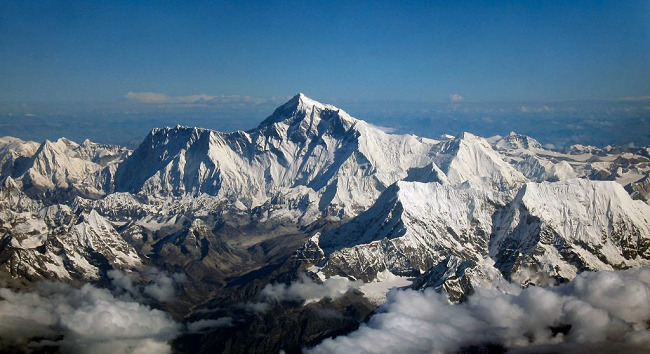
Everest Base Camp has a reputation for being an expensive trek — and if you book the wrong package, it can be. But EBC is one of the more affordable high-altitude adventures in the world once you understand where the real costs come from, and where you actually have room to save.
Most of the "Everest is expensive" horror stories come from three things: guided luxury packages with helicopter add-ons, last-minute Lukla flight bookings during peak season, and travelers who don't realize how much control they actually have over their daily spending on the trail. Strip those out, and a determined trekker can reach Kalapatthar and Everest Base Camp for a fraction of what glossy trekking ads suggest.
Here are 10 practical ways to cut the cost of an EBC trek without cutting corners on safety.
1. Choose a self-catering (budget) package instead of a fully inclusive one
The single biggest lever for lowering your EBC trek cost is deciding who pays for your food and lodging.
Fully inclusive packages bundle meals and teahouse stays into a fixed price — convenient, but you're paying a markup whether you eat a $3 dal bhat or a $9 pizza at 4,900 meters. A budget-style package flips this: your permits, Lukla flights, guide, and porter are handled for you, but you pay for food and lodging directly to the teahouse as you go.
This alone is why a budget-friendly Everest Base Camp package can start hundreds of dollars lower than a standard 12–15 day inclusive trip — you're only paying for the services that genuinely require a company behind them (flights, permits, a licensed guide), while keeping the flexibility to manage your own food budget.
2. Trek in shoulder season, not peak season
Spring (March–May) and autumn (September–November) are the classic EBC windows for good reason — stable weather, clear mountain views, and open teahouses. But "classic window" also means "everyone books at once," which pushes up Lukla flight demand and can fill teahouses fast in high season weeks like early-to-mid October.
Trekking in the quieter edges of these seasons — late November, or early March — usually means:
- Easier, sometimes cheaper, teahouse negotiation
- Less competition for Lukla flight seats
- A calmer trail overall
You still get good weather; you just avoid the crowd-driven price creep.
3. Fly from Ramechhap instead of Kathmandu when advised
During peak trekking months, Lukla flights are frequently rerouted from Ramechhap airport rather than Kathmandu, which means a roughly 4–5 hour drive before a short 15–20 minute flight. It sounds like a hassle, but Ramechhap flights are often less prone to the pile-up delays that hit Kathmandu-Lukla routes when weather closes in — and delays mean extra unplanned nights (and extra unplanned spending) in Kathmandu or Lukla.
Ask your trekking company which airport is currently operating before you lock in extra hotel nights around your flight dates.
4. Self-cater your meals and drink water responsibly
This is where the real day-to-day savings happen. On a self-catering budget trek, your food choices are entirely up to you:
- Stick to local dal bhat (rice, lentils, vegetables) over imported-style pizza or pasta. Dal bhat is usually cheaper, more filling, and often comes with free refills — genuinely the best value meal on the trail.
- Refill water bottles with purification tablets or a filter instead of buying bottled water at altitude, where prices climb the higher you go. A $10 bottle of purification tablets can save you $50+ over the trek.
- Carry your own snacks from Kathmandu — energy bars, nuts, chocolate — where prices are a third of what they cost at 4,500 meters.
None of this compromises your energy or safety; it just avoids paying premium mountain prices for things you can bring or treat yourself.
5. Rent gear in Kathmandu instead of buying it new
Unless you're a regular high-altitude trekker, there's little reason to buy a $300 down jacket or a -20°C sleeping bag for a single trip. Thamel in Kathmandu has dozens of gear rental shops where you can rent:
- Down jackets
- Sleeping bags rated for sub-zero temperatures
- Trekking poles
- Gaiters and crampons (if trekking in winter)
Renting typically costs a small fraction of buying, and it also means you're not lugging extra gear home. Save your money for the items worth owning outright — good trekking boots (never rent footwear) and quality wool socks.
6. Negotiate teahouse rates for longer stays or off-peak dates
Teahouse room rates on the EBC trail are often more flexible than people expect, especially outside peak weeks. Basic rooms can sometimes be discounted or even offered free if you commit to eating your meals at the same teahouse — which is common practice, since teahouse owners make their margin on food, not rooms.
A polite, direct conversation when you check in ("we'll eat dinner and breakfast here — is there a better room rate?") can genuinely lower your accommodation cost across a 12-day trek.
7. Skip the porter if you're confident carrying your own pack (or share one)
Porters are inexpensive relative to the value they provide (usually around $20/day including their insurance), and for many trekkers, hiring one is worth every cent. But if you're trekking with a lighter load and feel confident carrying your own bag, skipping a personal porter is a legitimate way to trim cost — or better, split one porter between two trekkers travelling together.
8. Avoid unnecessary side trips and helicopter add-ons
Everest region operators often upsell helicopter return flights, Gokyo Lake extensions, or three-passes detours. These are incredible experiences, but they add real cost — sometimes doubling or tripling the base trek price. If budget is the priority this trip, stick to the classic EBC route and save the extensions for a future visit.
9. Buy travel insurance before you land in Nepal
This isn't a place to cut corners, but it is a place to save money: travel insurance covering high-altitude trekking and helicopter evacuation up to 5,500m is almost always cheaper when purchased in your home country in advance, compared to emergency options arranged locally. Mandatory for any responsible EBC trek, and far more affordable if sorted before departure.
10. Book with a local trekking company, not an international reseller
International booking platforms and Western trekking agencies often mark up Nepal-based treks by 30–60%, since they're subcontracting the same local guides and teahouses anyway. Booking directly with a licensed Nepal-based operator gets you the same guide, the same route, and the same permits — without the middleman markup.
The easiest way to put this all into practice
If reading through ten tips has you wondering how to actually structure a trip around them, the simplest path is booking a package that's already built for cost-conscious trekkers — permits, Lukla flights, guide, and porter handled for you, while you keep full control over your food and lodging spending on the trail.
Himalaya Heart Treks' Budget Everest Base Camp Trek is exactly this kind of package: a 12-day itinerary with proper acclimatization days, starting from US$887 per person, with fixed group departures running through the rest of 2026. It's essentially tips #1, #6, and #10 above, pre-built into one bookable trip.
Whether you follow all ten tips independently or let a budget package handle the logistics while you manage your own daily spending, reaching Everest Base Camp doesn't have to come with a luxury price tag. The mountain, the views from Kalapatthar, and the walk through Sherpa villages like Namche and Tengboche are the same experience — regardless of what you paid to get there.