
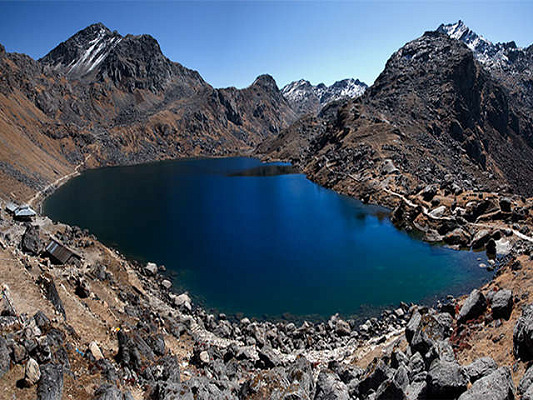
Looking for a Himalayan trek that blends glacier-carved valleys, sacred alpine lakes, dense rhododendron forests, and authentic Tamang culture — all within a short drive of Kathmandu? The Langtang Gosainkunda Trek delivers exactly that. This complete guide covers everything you need to plan your 2026 or 2027 trip: the day-by-day itinerary, real trip cost, difficulty level, required permits, best season, packing list, and answers to the questions trekkers ask most.
Whether you're comparing it to Everest Base Camp or Annapurna, or simply searching "Langtang Gosaikunda trek cost" or "Gosainkunda trek difficulty," this guide has you covered.
Quick Facts: Langtang Gosainkunda Trek at a Glance
| Detail | Information |
|---|---|
| Duration | 15 Days |
| Trip Cost | From US$1,365 per person |
| Difficulty | Challenging (Moderate+) |
| Max Altitude | Tserko Ri (4,984m) / Gosaikunda Lake (4,600m) |
| Start / End Point | Kathmandu / Kathmandu |
| Accommodation | Teahouses & lodges |
| Best Season | Spring (Mar–May) & Autumn (Sep–Nov) |
| Group Size | 1 to 10 people |
| Region | Langtang National Park, Nepal |
Langtang Gosainkunda Trek Highlights
If you're wondering what makes this trek worth 15 days of your time, here's what's waiting on the trail:
- Langtang Valley — glacier-fed rivers, terraced fields, pine forests, and views of Langtang Lirung (7,227m) right from the trailside.
- Sacred Gosaikunda Lake (4,600m) — a revered Hindu and Buddhist pilgrimage site, said to have been created by Lord Shiva. Thousands of pilgrims gather here every August for the Janai Purnima festival.
- Kyanjin Ri and Tserko Ri — two of the best viewpoints in the Langtang region, with panoramas of Langtang Lirung, Dorje Lakpa, Naya Kanga, and Gangchenpo.
- Langtang National Park — home to red pandas, Himalayan black bears, and langur monkeys, wrapped in rhododendron, bamboo, and oak forest.
- Kyanjin Gompa — a centuries-old Buddhist monastery, plus a local cheese factory worth a stop.
- Laurebina Pass (4,610m) — the trek's high-altitude crossing, connecting the Langtang and Helambu regions with sweeping mountain views.
- Tamang villages and culture — warm homestays, prayer flags, chortens, and a chance to experience one of Nepal's most welcoming hill communities.
- A quieter alternative to Everest and Annapurna — fewer crowds, and a trail especially loved by birdwatchers and nature lovers.
Why Choose the Langtang Gosaikunda Trek?
With so many trekking routes in Nepal, here's why this one deserves a spot on your list:
1. Two treks in one. You get the glacial scenery of Langtang Valley and the spiritual, high-alpine landscape around Gosaikunda Lake — a combination few other routes offer.
2. Closer to Kathmandu, less crowded. Unlike Everest or Annapurna, Langtang starts with just a 7–8 hour drive from Kathmandu, and the trails see noticeably fewer trekkers, making it ideal if you want a more peaceful, nature-focused experience.
3. Rich biodiversity. Langtang National Park is one of the best places in Nepal to spot red pandas, and the route is a genuine draw for birding enthusiasts.
4. A pilgrimage and a mountain trek combined. Reaching Gosaikunda Lake carries cultural and spiritual weight that adds a dimension most treks don't have.
5. Well-supported by local guides. Himalaya Heart Treks includes an experienced trekking guide, porters, all permits, teahouse accommodation, and full board meals during the trek — with medical kits and oximeters carried for altitude monitoring.
6. Flexible group sizes and fixed departures. With departures running throughout 2026 and into 2027, and group sizes from 1–10, you can join a fixed date or request a custom private itinerary.
Langtang Gosainkunda Trek Difficulty
This trek is rated Challenging (Moderate+). It's suitable for trekkers with reasonable fitness and some prior hiking experience — you don't need technical climbing skills, but you should be prepared for:
- Long trekking days (up to 6–7 hours on some stages)
- A high-altitude crossing at Laurebina Pass (4,610m)
- Altitude gain up to 4,984m at Tserko Ri
- Steep, sustained ascents and descents, especially between Sing Gompa, Gosaikunda, and Thulo Syabru
Prior trekking experience helps, but the itinerary is built with acclimatization days and a gradual ascent profile to reduce altitude sickness risk.
Langtang Gosainkunda Trek Itinerary (15 Days)
| Day | Route | Max Altitude |
|---|---|---|
| 1 | Arrival in Kathmandu | 1,350m |
| 2 | Kathmandu sightseeing (Swayambhunath, Pashupatinath, Durbar Square, Boudhanath) | 1,350m |
| 3 | Drive Kathmandu to Syabrubesi (7–8 hrs) | 1,500m |
| 4 | Trek Syabrubesi to Lama Hotel (6–7 hrs) | 2,470m |
| 5 | Trek Lama Hotel to Mundu (6–7 hrs) | 3,540m |
| 6 | Trek to Kyanjin Gompa (4–5 hrs) | 3,870m |
| 7 | Acclimatization & hike to Kyanjin Ri / Tserko Ri | 4,775m |
| 8 | Trek back to Lama Hotel (6–7 hrs) | 2,470m |
| 9 | Trek to Thulo Syabru (6–7 hrs) | 2,230m |
| 10 | Trek to Sing Gompa (3–4 hrs) | 3,330m |
| 11 | Trek to Gosaikunda Lake (4–6 hrs) | 4,600m |
| 12 | Trek back to Sing Gompa | 3,250m |
| 13 | Trek to Dhunche (6 hrs) | 2,030m |
| 14 | Drive Dhunche to Kathmandu (7 hrs) | 1,350m |
| 15 | Final departure | — |
Note: Routing crosses through Lauribinayak, Ghora Tabela, Dursagang, and Phoparng Danda, with the trail linking the Langtang Valley to the Helambu region via the Gosaikunda basin.
Langtang Gosainkunda Trek Cost 2026-2027
The standard package starts from US$1,365 per person (discounted from US$1,470).
What's Included
- Airport pick-up and drop-off
- 2 nights hotel in Kathmandu with breakfast
- Teahouse/lodge accommodation during the trek
- Professional trekking guide and porters (1 porter per 2 trekkers)
- Trekking permit and TIMS card
- Langtang National Park entry permit
- All meals (breakfast, lunch, dinner) during the trek
- Ground transportation (Kathmandu–Syabrubesi–Dhunche–Kathmandu)
- Emergency rescue arrangement support
- Guide's insurance and rescue cover
- First aid kit and equipment for guide/porters
What's Excluded
- Meals in Kathmandu (outside of breakfast)
- Alcoholic beverages and soft drinks
- Tips for guide and porters
- Personal expenses (toiletries, medicine, Wi-Fi, charging)
- Private transport, if requested
- Costs from unforeseen circumstances (weather delays, emergencies)
Permits Required for Langtang Gosainkunda Trek
Two permits are mandatory for this route:
- Langtang National Park Entry Permit — required since the trek runs entirely through Langtang National Park.
- TIMS Card (Trekkers' Information Management System) — required for trekker safety tracking.
Both permits are arranged by Himalaya Heart Treks and included in the trip cost, so there's no need to organize these separately before arrival.
Best Time for the Langtang Gosainkunda Trek
- Spring (March–May): Rhododendron forests in bloom, clear mountain views, moderate daytime temperatures.
- Autumn (September–November): The most popular season — stable weather, maximum visibility, and comfortable trekking conditions.
- Winter (December–February): Quieter trails and clear skies, though colder nights at altitude.
- Monsoon (June–August): Not recommended for this route — trails can be muddy and views are often obscured, though Janai Purnima at Gosaikunda in August draws pilgrims despite the rain.
How Far Is Gosaikunda Lake from Kathmandu?
Gosaikunda Lake is located roughly 32 km (about 20 miles) north of Kathmandu as the crow flies, but reaching it involves a scenic 7–8 hour drive (around 122 km) from Kathmandu to Syabrubesi or Dhunche, followed by a multi-day trek of about 4–5 days through Langtang National Park to the lake at 4,600m — making the total journey roughly 80–90 km by road and trail combined.
What to Pack for the Langtang Gosainkunda Trek
Clothing: trekking boots, warm layers, light trekking socks, sun hat, warm hat, T-shirts, light trousers, evening sandals
Daily use: toiletries, medical kit, sunglasses, sunscreen, small towel, warm sleeping bag
Gear: headtorch, trekking poles, backpack with rain cover, water bottles, purification tablets
Frequently Asked Questions
1. How difficult is the Langtang Gosainkunda Trek?
The Langtang Gosainkunda Trek is rated Challenging (Moderate+). It involves long trekking days (up to 6–7 hours), a high-altitude crossing at Laurebina Pass (4,610m), and altitude gain up to 4,984m at Tserko Ri. No technical climbing skills are needed, but a good level of fitness and prior hiking experience are recommended.
2. How many days does the Langtang Gosainkunda Trek take?
The standard itinerary is 15 days, starting and ending in Kathmandu. This includes 2 days for Kathmandu arrival and sightseeing, the trek itself, and the return drive.
3. How much does the Langtang Gosainkunda Trek cost?
The trek starts from US$1,365 per person for a standard group/custom service package, which includes permits, guide, porter, teahouse accommodation, and full board meals during the trek. Costs can vary based on group size, season, and customization.
4. What permits are required for the Langtang Gosainkunda Trek?
Two permits are mandatory: the Langtang National Park Entry Permit and the TIMS Card (Trekkers' Information Management System). Both are typically arranged by your trekking agency and included in the trip cost.
5. What is the maximum altitude of the Langtang Gosainkunda Trek?
The highest point is Tserko Ri at 4,984m, with Gosaikunda Lake itself sitting at 4,600m and Laurebina Pass at 4,610m.
6. When is the best time to do the Langtang Gosainkunda Trek?
Spring (March–May) and autumn (September–November) are the best seasons, offering clear skies, stable weather, and the best mountain visibility. Winter (December–February) is quieter but colder at altitude, while monsoon (June–August) brings muddy trails and limited visibility.
7. Is the Langtang Gosainkunda Trek suitable for beginners?
It's better suited to trekkers with some prior hiking experience, given the altitude gain and multi-day trekking demands. First-time trekkers with good fitness can still complete it with proper preparation and a gradual, well-acclimatized itinerary.
8. Do I need a guide for the Langtang Gosainkunda Trek?
While independent trekking is technically possible, a licensed guide is strongly recommended for navigation, altitude sickness management, permit handling, and safety, especially around the Laurebina Pass crossing.
9. Is Wi-Fi available during the Langtang Gosainkunda Trek?
Yes, most teahouses and lodges along the route offer Wi-Fi for a small fee. Connectivity can be limited or unavailable in more remote high-altitude sections.
10. What type of accommodation is available on the trek?
Trekkers stay in teahouses and lodges throughout the route, plus hotel accommodation in Kathmandu at the start and end of the trip. Rooms are typically basic, twin-sharing, with shared bathrooms in higher elevations.
11. What is the risk of altitude sickness on this trek?
Altitude sickness risk increases above 4,000m, particularly around Gosaikunda Lake and Tserko Ri. Reputable trekking companies build in acclimatization days and carry oximeters and first aid kits to monitor and manage symptoms early.
12. Why is Gosaikunda Lake considered sacred?
According to Hindu legend, Gosaikunda Lake was created by Lord Shiva, who pierced a glacier with his trident to find water after swallowing poison to save the world. It's a major pilgrimage site for both Hindus and Buddhists, drawing thousands of pilgrims during the Janai Purnima festival in August.
13. How does the Langtang Gosainkunda Trek compare to Everest Base Camp?
Langtang Gosainkunda is generally shorter, less crowded, and more accessible from Kathmandu (a 7–8 hour drive vs. a flight to Lukla for EBC). It offers a mix of forest, valley, and alpine lake scenery, while EBC focuses on high-altitude mountain views and glacier terrain.
14. What should I pack for the Langtang Gosainkunda Trek?
Essentials include trekking boots, warm layers, a sleeping bag, trekking poles, a headtorch, water purification tablets, sunscreen, and a rain-cover backpack. Layering is key since temperatures vary significantly between valley and high-altitude sections.
15. Do I need travel insurance for this trek?
Yes, travel insurance covering high-altitude trekking and emergency evacuation up to at least 5,000m is strongly recommended, since the trek reaches elevations where helicopter rescue may be necessary in rare cases.
16. What is the group size for the Langtang Gosainkunda Trek?
Group sizes typically range from 1 to 10 people, with both fixed departure dates and private/customizable itineraries available.
17. Can I do the Langtang Gosainkunda Trek solo?
Yes, solo trekkers can join fixed group departures or arrange a private trek with a solo guide, which is often the safer option for solo travelers given the altitude and pass crossing involved.
18. What wildlife can I see on the Langtang Gosainkunda Trek?
The route passes through Langtang National Park, home to red pandas, Himalayan black bears, langur monkeys, and a wide range of birdlife, making it a popular route for wildlife and birding enthusiasts.
19. Is drinking water safe on the trek?
Tap and stream water should always be treated using purification tablets, a filter, or boiled water purchased at lodges. Bottled water is available but adds plastic waste in a fragile mountain environment, so purification methods are recommended.
20. Do I need a visa to trek in Nepal?
Yes, most nationalities can get a visa on arrival in Kathmandu (takes about 45 minutes) with passport photos, or apply in advance through a Nepali consulate. Visa fees range from US$25 for 15 days to US$100 for 90 days.
Ready to Trek Langtang and Gosaikunda?
The Langtang Gosainkunda Trek is one of Nepal's most rewarding mid-length treks — combining glacier valleys, sacred lakes, and rich Tamang culture, without the crowds of Everest or Annapurna. With fixed departures running through 2026 and into 2027, and private/custom dates available, now is the time to plan your trip.
Book Your Langtang Gosainkunda Trek or contact Himalaya Heart Treks & Expedition for a custom itinerary.