
Searching for "Nar Phu Valley trek cost," "Nar Phu permits," or "is Nar Phu Valley trek worth it"? You've found the right guide. Tucked between the popular Annapurna and Manaslu regions, Nar Phu Valley is one of Nepal's last true hidden gems — a restricted, Tibetan-influenced valley that only opened to foreign trekkers in 2002/2003 and still sees just a few hundred visitors a year.
This complete guide covers everything you need for the Nar Phu Valley Trek in 2026/2027 — the full itinerary, realistic cost breakdown, required permits, best season, difficulty level, and expert preparation tips. By the end, you'll know exactly how to plan this off-the-beaten-path adventure, and how Himalaya Heart Treks & Expedition can help you get there safely.
What Is the Nar Phu Valley Trek?
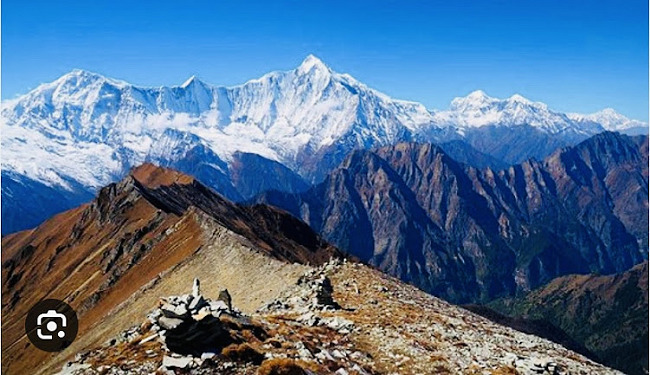
The Nar Phu Valley Trek explores two remote, interconnected valleys — Nar and Phu — hidden in the rain shadow of the Annapurna massif within Manang District. Geographically and culturally, this region sits closer to Tibet than to lowland Nepal, and it shows: the language, monasteries, stone-built villages, and daily customs of the Nar and Phu communities reflect centuries of Tibetan Buddhist heritage, largely untouched by mass tourism.
The trek typically branches off the classic Annapurna Circuit near Koto, loops through the villages of Meta, Phu, and Nar, crosses the dramatic Kang La Pass (5,320 m), and reconnects with the Annapurna Circuit trail near Ngawal or Manang. Many trekkers choose to extend the journey by combining it with the Annapurna Circuit and Thorong La Pass for an even bigger Himalayan adventure.
Nar Phu Valley Trek Highlights
- Remote, restricted-area trekking with very few crowds compared to Annapurna or Everest
- Deep Tibetan Buddhist culture in the villages of Nar and Phu
- Ancient monasteries, including Tashi Lhakhang Monastery
- Dramatic high-altitude scenery: gorges, cliffside trails, and alpine desert landscapes
- Crossing Kang La Pass (5,320 m) with sweeping views of the Annapurna range
- Views of Annapurna II, Gangapurna, Himlung Himal, and Tilicho Peak
- Option to combine with the Annapurna Circuit or Tilicho Lake
Nar Phu Valley Trek Itinerary 2026/2027
This is the most popular and balanced itinerary, and it can be customized shorter (11 days) or longer (16 days) depending on your pace, acclimatization needs, and whether you want to add the Annapurna Circuit.
| Day | Route | Approx. Altitude |
|---|---|---|
| Day 1 | Arrival in Kathmandu – Airport Pick Up | 1,400m |
| Day 2 | Drive from Kathmandu to Dharapani | 1,860m |
| Day 3 | Trek from Dharapani to Koto | 2,610m |
| Day 4 | Trek from Koto to Meta | 3,560m |
| Day 5 | Trek from Meta to Phu Village | 4,080m |
| Day 6 | Trek from Phu to Nar Phedi | 3,490m |
| Day 7 | Trek from Nar Phedi to Nar Village | 4,110m |
| Day 8 | Trek via Kang La Pass to Ngawal | 4,110m |
| Day 9 | Trek from Ngawal to Manang | 5,320m |
| Day 10 | Drive from Manang to Kathmandu | 1,400m |
| Day 11 | Final Departure – Airport Drop | |
Note: Since jeep access now reaches Koto directly, the trek can be shortened to 10 days by skipping the earlier walking sections. Some itineraries also add an overnight stop at Kyang between Meta and Phu for better acclimatization, and the exact route may shift slightly by agency.
Nar Phu Valley Trek Cost 2026/2027
Cost is one of the most-searched questions for this trek, and it varies significantly based on group size, itinerary length, and service level. Based on current 2026 market rates:
- Budget group-join packages: roughly $800 – $1,000 per person
- Standard 13-day packages: roughly $1,100 – $1,550 per person
- Comfort/private packages: roughly $1,500 – $2,800+ per person
What's typically included:
- Restricted Area Permit (RAP) and ACAP permit processing
- Licensed trekking guide (mandatory for restricted areas)
- Porter service
- Teahouse/lodge accommodation during the trek
- Meals during the trek
- Ground transportation (Kathmandu–Koto–Kathmandu)
What's typically excluded:
- International airfare and Nepal visa fees
- Travel insurance (including high-altitude helicopter evacuation coverage)
- Personal expenses: hot showers, Wi-Fi, battery charging, bottled water
- Tips and gratuities for guides and porters
- Extra nights in Kathmandu/Pokhara due to delays or itinerary changes
Nar Phu runs noticeably higher than the standard Annapurna Circuit — often 40–50% more — mainly because of restricted area permit fees and the legal requirement to trek with a licensed guide at all times.
Nar Phu Valley Trek Permits 2026/2027
Because Nar Phu is an officially designated Restricted Area, independent solo trekking is not allowed. You'll need the following permits, arranged through a registered trekking agency:
1. Restricted Area Permit (RAP)
This is the primary permit required to enter Nar and Phu valleys, and it's priced seasonally:
- September–November (peak season): approximately $100 for the first 7 days, then $15/day thereafter
- December–August (off-season): approximately $75–$80 for the first 7 days, then $10/day thereafter
2. Annapurna Conservation Area Permit (ACAP)
Required since the valley falls within the Annapurna Conservation Area. This permit costs approximately $20–$30 per person.
Important permit rules to know:
- A minimum of 2 trekkers is generally required to process the Restricted Area Permit
- A licensed, government-registered guide is mandatory — this is a legal requirement, not just a recommendation
- Your original passport with a valid Nepal visa is required for permit processing, and this typically needs to happen a day before you enter the restricted zone
- Permits cannot be extended mid-trek — any itinerary changes should be planned before you apply
- TIMS card requirements have changed in recent updates, so confirm current rules with your agency before departure
How Difficult Is the Nar Phu Valley Trek?
The Nar Phu Valley Trek is rated moderate to challenging. Compared to the Everest Base Camp region, the daily altitude gain is actually more gradual — Koto sits at 2,600 m, which is a gentler start than flying directly into Lukla at 2,860 m. However, several factors add real difficulty:
- Kang La Pass crossing: This is the toughest single day of the trek, typically requiring 9–10 hours of strenuous walking with significant elevation gain and loss
- Sustained high altitude: You'll spend multiple nights above 4,000 m, including Phu village (4,080 m) and Nar village (4,110 m)
- Remoteness and basic facilities: Teahouses in Nar Phu are simpler than those on the Annapurna Circuit or EBC route, with limited hot showers and variable food options at higher elevations
- Daily walking: Expect 5–7 hours of walking most days, with good cardiovascular fitness and leg strength for steep terrain
Because of the altitude, remoteness, and Kang La Pass crossing, most operators consider Nar Phu unsuitable for complete first-time Himalayan trekkers — prior experience on a trek like the Annapurna Circuit or a similar high-altitude route is recommended before attempting Nar Phu.
Best Time for the Nar Phu Valley Trek
- Autumn (September–November): The most popular season, with clear skies, stable weather, and the best visibility for crossing Kang La Pass
- Spring (March–May): Moderate temperatures and blooming rhododendrons lower down, with generally good trekking conditions
- Winter (December–February): Technically possible, but snow can make the Kang La Pass crossing significantly more difficult and may require microspikes
- Monsoon (June–August): Not recommended — heavy rainfall, landslide risk, and slippery trails make this the least favorable season
Packing Tips for Nar Phu Valley Trek
- Layered clothing for extreme temperature swings between lower valleys and high camps
- Microspikes or crampons if trekking in late autumn, winter, or early spring, in case of snow at Kang La Pass
- A four-season sleeping bag rated for sub-zero temperatures
- Water purification tablets or a filter, since bottled water becomes expensive and less available at altitude
- Cash in Nepalese Rupees — there are no ATMs along the restricted-area route
- Travel insurance with high-altitude helicopter evacuation coverage — non-negotiable for a remote trek like this
Why Trek Nar Phu Valley Instead of the Annapurna Circuit?
If you're deciding between the two, here's the honest comparison: the Annapurna Circuit offers more infrastructure, lower costs, and the option to trek independently. Nar Phu Valley, on the other hand, offers genuine remoteness, untouched Tibetan culture, and trail days where you may not see another trekking group at all. Many trekkers choose to combine both — trekking through Nar Phu first, then continuing over Thorong La Pass on the Annapurna Circuit for the best of both worlds.
Plan Your Nar Phu Valley Trek with Himalaya Heart Treks & Expedition
At Himalaya Heart Treks & Expedition, we specialize in restricted-area Himalayan treks and handle every part of your Nar Phu Valley journey — permit processing, licensed guide arrangements, and a well-paced itinerary built around proper acclimatization before the Kang La Pass crossing. Whether you want the classic 13-day route or a combined Nar Phu + Annapurna Circuit adventure, our experienced local team is ready to help you plan it right.
👉 Ready to explore Nepal's hidden Tibetan valleys? Check out our Nar Phu Valley Trek package for the full itinerary, cost details, and everything you need to book your 2026/2027 adventure with Himalaya Heart Treks & Expedition.
Planning a remote Himalayan adventure? Reach out to Himalaya Heart Treks & Expedition for expert guidance on permits, itinerary customization, and everything you need for a safe, successful Nar Phu Valley Trek in 2026/2027.