
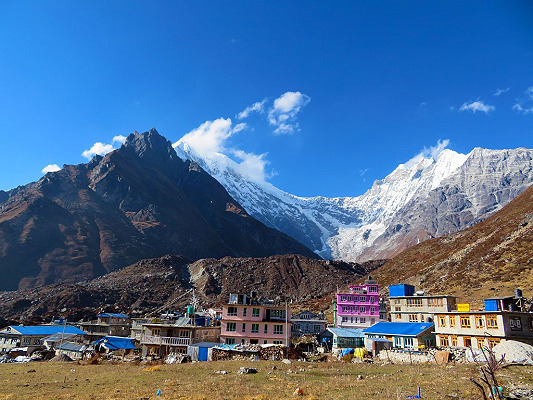
Everything you need to know about the itinerary, cost, permits, difficulty, and best season for the Langtang Valley Trek — one of the closest and most rewarding Himalayan adventures to Kathmandu.
Why Trek to Langtang Valley?
Tucked just north of Kathmandu, on the border with Tibet, the Langtang Valley is Nepal's closest major Himalayan trekking region — and one of its most underrated. While Everest Base Camp and the Annapurna Circuit pull in tens of thousands of trekkers a year, Langtang stays quiet, giving you glacier-carved valleys, rhododendron forests, yak pastures, and centuries-old Tamang villages almost to yourself.
Often called the "Valley of Glaciers," Langtang combines three things that are hard to find together elsewhere in Nepal: a short approach from Kathmandu, genuinely uncrowded trails, and mountain scenery — including close-up views of Langtang Lirung (7,227m) — that rivals the country's more famous routes.
This guide covers the full route, day-by-day itinerary, up-to-date permit and cost information, difficulty level, and the best season to go, so you can plan your 2026/27 trek with confidence.
Langtang Valley Trek: Quick Facts
| Region | Langtang National Park, north-central Nepal |
| Duration | 7–11 days (round trip from Kathmandu) |
| Trek difficulty | Moderate |
| Max altitude | 3,870 m (Kyanjin Gompa); 4,984 m if you add Tserko Ri |
| Starting point | Syabrubesi (approx. 7–8 hours by road from Kathmandu) |
| Best season | March–May (spring) and late September–November (autumn) |
| Permits needed | Langtang National Park Entry Permit + TIMS Card |
| Guide required | Yes, mandatory since February 2025 |
| Total permit cost | Approx. USD 35–50 per person |
| Estimated trip cost | USD 700–1,500+ depending on style |
Langtang Valley Trek Itinerary
Day 1: Arrival in Kathmandu (1,400m)
Day 2: Kathmandu Sightseeing Tour (1,400m)
Day 3: Drive from Kathmandu to Syabrubesi (1,550m)
Day 4: Trek from Syabrubesi to Lama Hotel (2,470m)
Day 5: Trek from Lama Hotel to Mundu (3,545m)
Day 6: Trek from Mundu to Kyanjin Gompa (3,870m)
Day 7: Hike to Kyanjin Ri (4,775m) and Return to Kyanjin Gompa
Day 8: Trek from Kyanjin Gompa to Lama Hotel (2,470m)
Day 9: Trek from Lama Hotel to Syabrubesi (1,550m)
Day 10: Drive from Syabrubesi to Kathmandu (1,400m)
Day 11: Departure from Kathmandu (1,400m)
Shorter and longer options: A tighter 7-day version skips the dedicated Kyanjin Ri day; well-prepared trekkers with good acclimatization can compress it to around 5–6 days. Those with more time often extend the trip by 2–3 days to include the sacred lakes of Gosainkunda, or combine Langtang with the Tamang Heritage Trail for a deeper cultural detour through villages like Gatlang and Briddim. The full Langtang–Gosainkunda–Helambu circuit runs 14–16 days and finishes overland near Sundarijal.
How Difficult Is the Langtang Valley Trek?
Langtang is rated moderate — a good choice for fit beginners as well as experienced trekkers who want a shorter, less crowded alternative to Everest or Annapurna.
- No technical climbing. There's no scrambling, glacier travel, or exposed sections on the standard route — it's entirely a walking trek.
- Daily walking time. Expect 5–7 hours a day on foot, covering roughly 10–15 km, on forest trails, riverside paths, and rocky sections.
- Elevation gain. The cumulative climb from Syabrubesi (1,503 m) to Kyanjin Gompa (3,870 m) is around 2,400 m, spread across several days for gradual acclimatization.
- Altitude is the real challenge, not fitness. Above 3,000 m, some trekkers experience mild symptoms — headache, fatigue, poor sleep. This is why the itinerary includes a dedicated acclimatization day at Kyanjin Gompa, and why a slow, steady pace matters more than raw fitness.
- Preparation. A solid base of general walking or hiking fitness is enough; you don't need prior high-altitude trekking experience, though it helps. A few months of cardio and stair or hill training beforehand will make the trip noticeably more comfortable.
- Golden rule: if you feel worse as you go higher, don't push on — descend and let your guide know immediately.
Langtang Valley Trek Permits (2026)
As of 2026, every trekker needs two mandatory permits to enter the Langtang region, and a licensed guide is required — independent, unguided trekking has not been permitted since the rule change in February 2025.
1. Langtang National Park Entry Permit
Required for anyone entering the national park. Costs vary slightly by source but generally fall around NPR 3,000 (roughly USD 21–30) for foreign nationals, excluding VAT.
2. TIMS Card (Trekkers' Information Management System)
The second mandatory document, used for trekker safety tracking. It typically costs around NPR 1,000–2,000 (roughly USD 7–20), with the fee depending on whether you book through a registered agency (cheaper) or arrange it independently as a Free Independent Trekker.
Total permit cost
Altogether, budget around USD 35–50 per person for both permits combined. SAARC nationals (India, Bangladesh, Bhutan, Sri Lanka, Pakistan, Maldives, Afghanistan) pay significantly discounted rates.
Where to get your permits
- Nepal Tourism Board office, Kathmandu — before you set off.
- Checkpoints at Dhunche or Syabrubesi — on your way to the trailhead.
- Through a registered trekking agency — the most common route now that a guide is mandatory; most agencies arrange both permits for you once you provide a passport copy and photo.
Carry printed copies of both permits and your passport at all times — they're checked at multiple points along the trail, and missing paperwork can mean fines, delays, or being turned back.
Langtang Valley Trek Cost (2026)
Langtang is one of the most affordable Himalayan treks in Nepal, largely because it's close to Kathmandu and doesn't require costly restricted-area permits. Here's a realistic breakdown for an 8–11 day trip.
| Trek style | Estimated cost | What's included |
|---|---|---|
| Independent trek (with guide) | $700–$900 | Guide, local transport, basic teahouse lodging |
| Standard guided trek | $1,200–$1,500 | Licensed guide, porter, steady group pace, full board |
| Premium private trek | $1,800+ | Private jeep, flexible itinerary, upgraded lodges |
Cost breakdown
- Permits: ~$35–50 total (Langtang National Park Entry Permit + TIMS)
- Guide: ~$20–30 per day
- Porter (optional): ~$20–25 per day
- Transport to/from Syabrubesi: local bus ~$10–15 per person one-way; private jeep ~$150–200 (shared among 6–7 people)
- Food: ~$25–35 per day (teahouse meals — dal bhat is the reliable, filling staple)
- Accommodation: basic teahouse lodging, often included in food/board packages
- Extras: hot showers ($2–5), device charging ($1–3), Wi-Fi ($2–5) — budget an additional $15–20 per day for these
Trekking in a small group helps bring costs down further, since guide and porter fees, as well as jeep transport, can be shared.
Best Season for the Langtang Valley Trek
| Season | Months | Conditions |
|---|---|---|
| Spring (best) | March–May | Rhododendron forests in bloom, clear mountain views, comfortable daytime temperatures |
| Autumn (best) | Late Sept–November | Widely considered the top season — post-monsoon skies are at their clearest, stable weather, excellent visibility |
| Shoulder seasons | Early March, September, late November–December | Fewer crowds, generally still trekkable, cooler mornings |
| Avoid | June–August (monsoon) | Heavy rain, leeches, landslide risk, obscured mountain views |
| Avoid / winter caution | January–February | Very cold at altitude, snow can block higher trails and passes |
Autumn (October–November) is the single most popular window — clear skies and stable weather make for the best mountain photography and the most reliable trekking conditions. Spring (March–April) is a close second, adding blooming rhododendron forests to the mix.
What Makes Langtang Different from Everest and Annapurna?
- Proximity: No flights needed — it's a single road journey from Kathmandu, saving both time and money compared to flying into Lukla.
- Fewer crowds: Langtang sees a fraction of the foot traffic of Everest Base Camp (roughly 60,000 trekkers/year) or the Annapurna Circuit (100,000+), so trails and teahouses feel far less busy.
- Culture: The valley is a Tamang cultural corridor, with monasteries, chortens, and mani walls throughout — distinct from the Sherpa culture of the Everest region.
- Resilience: Langtang Village was destroyed in the 2015 earthquake and has since been rebuilt; trekking here today directly supports the local community's continued recovery.
Final Tips Before You Go
- Book your guide early, especially for the autumn peak season — since guides are now mandatory, availability can tighten in October–November.
- Pack for a wide temperature range: warm layers for Kyanjin Gompa mornings (well below freezing in shoulder season), breathable layers for lower, forested sections.
- Get travel insurance that covers high-altitude trekking and emergency evacuation up to at least 5,000 m.
- Acclimatize properly — don't skip the rest day at Kyanjin Gompa even if you're feeling strong.
- Carry cash (NPR) — there are no ATMs beyond Syabrubesi, and card payments aren't reliable on the trail.
Ready to Discover the Valley of Glaciers?
The Langtang Valley Trek offers a rare combination in Nepal: high-Himalaya scenery, a rich living culture, and genuine trail solitude, all within reach of an 11-day trip from Kathmandu. From forested river trails to the glacier-ringed views atop Kyanjin Ri, this is a trek that rewards every step.
View the full itinerary, dates, and booking details for the Langtang Valley Trek →
Have questions before you book? Reach the Himalaya Heart Treks team directly via WhatsApp or email at info@himalayaheart.com.