
If you've been searching for the Mardi Himal Trek in 2026, chances are you've already read that it's "less crowded" than Everest Base Camp or Annapurna Base Camp. That part is true. What most articles skip is the detail that actually helps you plan — how the route has changed in recent years, what the guide requirement means for your budget, and where this trek genuinely struggles compared to its more famous neighbors.
I've sent trekkers up to Mardi Himal Base Camp in spring, autumn, and the quieter winter months, and the trek rewards people who go in with realistic expectations more than any other short route in the Annapurna region. This guide walks through what the experience is actually like, who it suits, and the practical details you need to lock in a plan for 2026.
What the Mardi Himal Trek Actually Involves
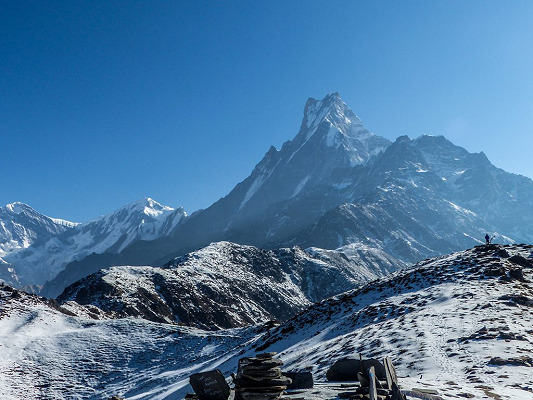
Mardi Himal is a ridge trek. Unlike most Annapurna routes, which follow river valleys and villages, the trail climbs a narrow spine of land with drop-offs on both sides once you clear the tree line. That's the main reason people fall in love with it — you get open mountain views days earlier than on longer treks, without weeks of walking to earn them.
The trek starts from Pokhara, usually with a short drive to Kande or Phedi, and climbs steadily through oak and rhododendron forest before breaking above the treeline near High Camp. From there, the final push to the viewpoint or base camp area (commonly cited around 4,500m, though some itineraries stop slightly lower depending on route and weather) puts you almost eye-level with Machhapuchhre and looking directly across at Annapurna South and Hiunchuli.
There's no glacier crossing, no technical section, and no long approach march. That simplicity is the whole appeal.
Who This Trek Suits
Mardi Himal works well for:
1. First-time trekkers who want a genuine high-altitude experience without committing two weeks
2. Travellers with limited time who still want proper mountain views, not just hill-station scenery
3. People combining Nepal with other travel and needing a trek that fits into a 5–7 day window
4. Trekkers who've done Poon Hill before and want something a step further, without jumping straight to Annapurna Base Camp
It's less suited to trekkers chasing total solitude in peak season (October and April do get busy on the upper sections) or to anyone wanting a full teahouse village culture experience — the upper camps are functional lodges built for trekkers, not living villages.
Mardi Himal Trek Route Overview
Day 1 : Arrival Day in Kathmandu
Day 2 : Kathmandu Sightseeing Tour
Day 3 : Drive to Pokhara
Day 4 : Drive to Kande and Trek to Deurali (2,100m)
Day 5 : Trek to Forest Camp (2,600)
Day 6 : Trek to High Camp (3,600m)
Day 7 : Hike to Base Camp (4,500m) and Trek to Low Camp (2,900m)
Day 8 : Trek to Sidding and Drive to Pokhara
Day 9 : Drive to Kathmandu
Day 10 : Final Departure
Some operators offer a shorter 3–4 day version by combining days for fitter trekkers, and longer versions that add a rest day or link Mardi Himal with Ghandruk or Landruk village on the way down. If you're short on time, ask your operator directly which sections can safely be combined — this depends on your fitness and how the group is acclimatizing, not just on paper distances.
Mardi Himal Trek Accommodation and Food
Teahouses along the route range from simple to fairly comfortable, with the more developed lodges lower down (Forest Camp, Low Camp) and more basic setups higher up near High Camp, where space and infrastructure are limited. Expect twin-share rooms, shared bathrooms at higher elevations, and hot showers that may cost extra or run on solar power, meaning availability isn't guaranteed on cloudy days.
Meals are the standard teahouse menu you'll find across the Annapurna region — dal bhat, noodle soups, fried rice, pasta, and basic breakfast options. Dal bhat is genuinely the best choice at altitude: it's freshly cooked, usually includes a refill, and gives you steady energy for the climb.
Getting There
The trek starts and ends near Pokhara, reached from Kathmandu by a scenic overland drive or a short domestic flight. From Pokhara, it's a short drive to the trailhead. There's no flying involved during the trek itself, which removes one of the common headaches associated with treks like Everest Base Camp, where mountain flights get delayed by weather.
How Difficult Mardi Himal Trek
Mardi Himal is generally graded moderate. You don't need mountaineering experience, but you do need reasonable fitness — daily walking typically runs 4 to 8 hours depending on the itinerary, with a sustained, steady climb rather than flat sections. The final stretch to the upper viewpoint is steep and can be cold and windy, which surprises some trekkers who expected an "easy" short trek.
If your only hiking experience is day walks at low elevation, it's worth doing a few longer, hillier walks before you arrive, and building in an extra acclimatization day if your schedule allows it.
Altitude Considerations
Reaching roughly 4,500m in four to five days is a fast ascent by trekking standards. That pace is manageable for most healthy adults, but it does raise the chance of mild altitude symptoms — headache, poor sleep, reduced appetite — especially on the final push above High Camp.
Go slowly on the last morning, drink more water than feels necessary, and tell your guide immediately if you feel worse rather than better as you gain height. A short, high trek is not a reason to skip acclimatization discipline; if anything, the speed of ascent makes it more important.
Mardi Himal Trek Best Season and Weather
Spring (March to May) and autumn (September to November) are the reliable windows, with clear mountain views and manageable temperatures on the trail. Spring adds blooming rhododendron forest along the lower sections, which is a genuine highlight and not just marketing language — late March into April is usually the peak bloom, though exact timing varies year to year.
Winter treks (December to February) are possible and increasingly popular for trekkers wanting fewer people on the trail, but expect snow on the upper sections, colder nights at the high camps, and the possibility of a lodge closure if conditions turn severe. Monsoon season (June to August) brings cloud cover that can block mountain views for days at a time, along with leeches on the lower forested sections — most operators don't recommend this trek during peak monsoon for that reason.
Packing Considerations
Because you gain altitude quickly and the ridge sections are exposed, layering matters more here than the "short trek" label suggests. A warm insulated jacket, a windproof outer layer, and a proper sleeping bag rated for below-freezing temperatures are worth prioritizing even in spring and autumn, since High Camp nights get cold regardless of season. Good ankle support matters too — the trail has long stretches of stone steps and root-covered forest paths that are harder on ankles than they look in photos.
Mardi Himal Trek Cost Factors
Trekking costs for Mardi Himal vary by group size, season, and what's included, so it's worth confirming current pricing directly with whichever operator you book through rather than relying on a fixed figure online. In general, your budget should account for:
- Permits (see below)
- A licensed guide, which is now a legal requirement (more on this next)
- Teahouse accommodation and meals
- Transport between Kathmandu, Pokhara, and the trailhead
- Extras like hot showers, Wi-Fi, and battery charging at higher lodges, which are usually paid per use
Independent budget trekking is cheaper on paper, but since a licensed guide is mandatory, most of the "independent" cost savings people associate with older Annapurna treks no longer apply the way they used to.
Mardi Himal Trek Permits
Two permits currently apply to Mardi Himal: the Annapurna Conservation Area Permit (ACAP) and a trekking registration card, arranged either in Kathmandu or at the permit counter in Pokhara. Since 2023, trekking with a licensed guide has been mandatory for foreign trekkers in the Annapurna region, including Mardi Himal — independent trekking without a guide is no longer permitted on this route.
Permit fees do change periodically, so treat any specific number you see online as approximate and confirm the current fee when you book. If you're trekking through an agency, permit arrangement is usually handled for you as part of the package.
Mardi Himal Trek Guides and Porters
Given the mandatory guide rule, this isn't really an optional add-on anymore — it's part of how the trek works in 2026. A good guide does more than satisfy the legal requirement: they read weather changes on the exposed ridge sections, manage pacing for altitude, and know which lodges are actually open and well-stocked in a given season, which matters more on a less-developed route like this one. A porter is optional but genuinely useful given the steep, sustained climbing — carrying a lighter daypack makes a real difference on the steeper stretches near High Camp.
Mardi Himal Trek Safety: Weather, Altitude & Trail Conditions
The main risks on Mardi Himal are weather-related rather than technical: sudden cloud or wind on the exposed ridge, cold exposure at High Camp, and the altitude-gain pace mentioned earlier. Trail conditions are generally good but can turn muddy or icy depending on season. A licensed guide, appropriate gear, and a willingness to slow down or turn back if weather or symptoms worsen cover most of what you need for a safe trip.
Responsible Tourism
The upper camps have limited infrastructure, so simple habits go a long way: carry out your own rubbish, avoid single-use plastic bottles where refill stations exist, and be mindful of water use at lodges that rely on limited or seasonal supply. Choosing an operator that hires local guides and porters from the Annapurna region also keeps more of the trek's economic benefit in the communities along the route.
Common Mistakes Trekkers Make
- Underestimating the steep, sustained climbing because the trek is labelled "short" or "easy"
- Skipping proper cold-weather gear because the trek doesn't reach Everest Base Camp altitudes
- Booking without confirming the guide requirement, then being surprised by the added cost
- Rushing the final ascent to the viewpoint instead of pacing for altitude
- Not building in a buffer day for weather, especially outside peak season
Practical Planning Advice
Book your permits and guide through a registered agency if you're short on time or unfamiliar with the process — it removes a layer of admin without changing the trekking experience itself. If mountain views are your main priority, spring and autumn remain the safer bet, though they're also when the trail is busiest. And if you're combining this with another Annapurna route, ask your operator how the two connect logistically rather than assuming — not every combination saves time.
If you're ready to look at dates, our Mardi Himal Trek page has the current itinerary and what's included, and our team can help you fit it around the rest of your Nepal trip.
Frequently Asked Questions
1. Is the Mardi Himal Trek suitable for beginners?
Yes, with reasonable fitness. It's graded moderate rather than easy — expect steady, sustained climbing rather than flat trails.
2. How many days does the Mardi Himal Trek take?
Most itineraries run 4 to 7 days depending on pace, with 5 days being the most common structure from Pokhara.
3. Do I need a guide for the Mardi Himal Trek?
Yes. A licensed guide has been mandatory for foreign trekkers in the Annapurna Conservation Area, including Mardi Himal, since 2023.
4. What permits do I need?
You'll need an Annapurna Conservation Area Permit (ACAP) and a trekking registration card. Fees change periodically, so confirm current costs when booking.
5. What is the maximum altitude on the Mardi Himal Trek?
Most itineraries reach approximately 4,500m at the highest viewpoint or base camp area, depending on the exact route taken.
6. When is the best time to do the Mardi Himal Trek?
Spring (March–May) and autumn (September–November) offer the clearest mountain views. Winter is quieter but colder, and monsoon season often brings cloud cover.
7. Can I combine Mardi Himal with other treks?
Yes, it's commonly combined with routes through Ghandruk or Landruk, or used as a shorter alternative or add-on to Annapurna Base Camp. Ask your operator how the logistics connect.
8. Is Mardi Himal less crowded than Poon Hill or Annapurna Base Camp?
Generally yes, especially on the lower and mid sections, though the upper camps can still see meaningful numbers during peak spring and autumn weeks.