
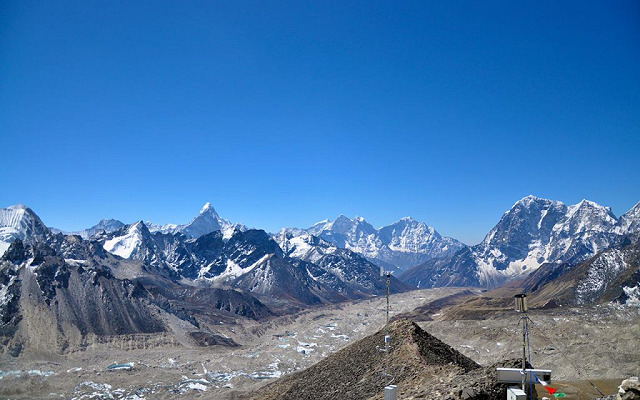
The Everest Base Camp Three Passes Trek is widely regarded as the ultimate high-altitude adventure in the Everest region — and for good reason. Crossing three demanding passes above 5,000 meters (Kongma La, Cho La, and Renjo La) while also visiting Everest Base Camp and Kala Patthar puts trekkers into some of the thinnest air on Earth. With a maximum altitude of 5,545 meters, this trek offers unmatched Himalayan scenery, but it also comes with a real risk: altitude sickness.
If you're planning this bucket-list adventure, understanding altitude sickness — what causes it, how to recognize it, and how to prevent it — isn't optional. It's the single biggest factor that determines whether your trek is a triumph or a turnaround. This guide covers everything you need to know, and explains how a well-planned itinerary like the Everest Base Camp Three Passes Trek is specifically designed to keep you safe while you chase those high-pass views.
What Is Altitude Sickness?
Altitude sickness, medically known as Acute Mountain Sickness (AMS), happens when your body doesn't get enough time to adjust to reduced oxygen levels at higher elevations. As you climb higher, air pressure drops and less oxygen is available with each breath. Your body can adapt to this — but only gradually. Ascend too fast, and your system simply can't keep up.
While many trekking websites cite 2,500 meters as the altitude where symptoms can begin, in practice this is often just a mild headache that a painkiller easily resolves. The real concern — a more serious form of altitude sickness — typically develops above 4,000 meters, which is exactly where the Everest Base Camp Three Passes Trek spends most of its time, especially on summit days at Kongma La (5,535m), Kala Patthar (5,550m), Cho La (5,420m), Gokyo Ri (5,360m), and Renjo La (5,360m).
Common Symptoms of Altitude Sickness
Symptoms usually appear within the first 24 hours at a new altitude. Mild AMS is common and manageable; the goal is to catch it early before it progresses. Watch for:
- Headache (often the first and most noticeable sign)
- Loss of appetite or nausea
- Fatigue and low energy beyond normal trekking tiredness
- Shortness of breath, even at rest
- Dizziness or lightheadedness
- Difficulty sleeping
- Mild swelling of the hands, feet, or face
More severe forms — High Altitude Pulmonary Edema (HAPE) and High Altitude Cerebral Edema (HACE) — are rare but serious. Warning signs include a persistent dry cough, chest tightness, confusion, loss of coordination, or extreme breathlessness at rest. These require immediate descent and medical attention.
Why the Three Passes Trek Carries Extra Risk
Compared to the standard Everest Base Camp Trek, the Three Passes route is longer, more remote, and spends significantly more time above 4,500 meters. You're crossing not one but three high passes, often on long, isolated trekking days with no teahouses along the route between Chhukung and Lobuche via Kongma La, for example. This is part of what makes the trek so rewarding — fewer crowds, more dramatic scenery — but it also means acclimatization planning has to be taken seriously from day one.
How to Prevent Altitude Sickness
1. Choose an Itinerary Built for Acclimatization
The single most effective prevention strategy is a gradual ascent profile with built-in rest days. A properly paced itinerary — like the 19-day Everest Base Camp Three Passes Trek route — includes dedicated acclimatization days in Namche Bazaar and Chhukung, along with a "climb high, sleep low" pattern before tackling the highest passes. Avoid heavily discounted, rushed itineraries that skip acclimatization days to shorten the trip.
2. Follow the Golden Rule: Climb High, Sleep Low
Whenever possible, gain altitude during the day and descend slightly to sleep. This is one of the most proven strategies for reducing AMS risk and is built into well-designed acclimatization hikes, such as the excursion from Namche Bazaar up to the Everest View Hotel.
3. Stay Hydrated
Dehydration mimics and worsens altitude sickness symptoms. Aim to drink 3–4 liters of water daily while trekking at altitude.
4. Avoid Alcohol and Sleeping Pills
Both can suppress your breathing rate during sleep, which is particularly risky at high elevation. Save the celebratory drink for your return to Kathmandu.
5. Walk at Your Own Pace
Resist the urge to keep up with faster trekkers. Slow, steady walking ("pole pole," as it's known in mountaineering circles) reduces exertion and gives your body more time to adapt.
6. Consider Altitude Medication
Many trekkers use Acetazolamide (Diamox) as a preventive measure, which can help the body acclimatize faster. This should only be taken after consulting a doctor before your trip, as it isn't suitable for everyone.
7. Travel With an Experienced, Licensed Guide
An experienced guide who monitors the group daily for early symptoms is one of the most valuable safety tools on this trek. On the Everest Base Camp Three Passes Trek, guides are trained in first aid and high-altitude protocols, and carry first aid kits throughout the journey.
What to Do If You Experience Altitude Sickness
- Mild symptoms (headache, mild nausea, fatigue): Rest, hydrate, and avoid climbing further until symptoms improve. A mild painkiller can help with headaches.
- Symptoms not improving or worsening: Do not continue ascending. Descend to a lower altitude — even a few hundred meters can make a significant difference.
- Severe symptoms (confusion, loss of coordination, breathlessness at rest, persistent cough): This is an emergency. Immediate descent is required, and a helicopter evacuation may be necessary.
This is why comprehensive travel insurance that includes high-altitude emergency helicopter rescue is a mandatory requirement for this trek — it should never be treated as optional.
Final Thoughts
Altitude sickness is a manageable risk on the Everest Base Camp Three Passes Trek — not a reason to avoid this incredible journey. With a sensibly paced itinerary, an experienced guide team, proper hydration, and awareness of early symptoms, the vast majority of trekkers cross all three passes safely and reach Everest Base Camp and Kala Patthar without serious issues.
If you're ready to take on this legendary Himalayan adventure with a team that prioritizes safety and acclimatization at every step, explore the full 19-day itinerary, fixed departure dates, and trip cost for the Everest Base Camp Three Passes Trek and get in touch with Himalaya Heart Treks & Expedition to start planning your trek.
Frequently Asked Questions
1. What is altitude sickness and why is it a risk on the Three Passes Trek?
Altitude sickness (Acute Mountain Sickness) occurs when your body doesn't get enough time to adjust to lower oxygen levels at high elevation. The Three Passes Trek is a higher risk than standard EBC treks because it spends extended time above 4,500m while crossing Kongma La (5,535m), Cho La (5,420m), and Renjo La (5,360m).
2. At what altitude does altitude sickness usually start on this trek?
Mild symptoms like a slight headache can appear from around 2,500m, but they're usually minor and easily relieved. More serious altitude sickness risk typically begins above 4,000m, which is where most of the Three Passes route travels.
3. What are the early warning signs of altitude sickness?
The most common early symptoms are headache, loss of appetite, nausea, fatigue, shortness of breath, dizziness, and trouble sleeping. Catching these early and resting or descending prevents them from becoming serious.
4. How is altitude sickness different from normal trekking fatigue?
Normal fatigue improves with rest and doesn't worsen with elevation. Altitude sickness symptoms persist or worsen as you climb higher, and are often accompanied by headache or nausea that regular tiredness doesn't cause.
5. Can altitude sickness be prevented on the Everest Three Passes Trek?
Yes, in most cases. Prevention relies on a slow, well-paced itinerary with built-in acclimatization days, proper hydration, avoiding alcohol, walking at a steady pace, and using the "climb high, sleep low" strategy before high-pass days.
6. Should I take Diamox (Acetazolamide) for the Three Passes Trek?
Many trekkers use Diamox as a preventive aid to speed up acclimatization, but it should only be taken after consulting a doctor before your trip, since it isn't suitable for everyone and doesn't replace proper acclimatization.
7. What should I do if I get altitude sickness symptoms during the trek?
For mild symptoms, rest, hydrate, and avoid ascending further until you feel better. If symptoms don't improve or worsen, descend immediately to a lower altitude — this is the most effective treatment at any stage.
8. What are the signs of severe altitude sickness (HAPE or HACE)?
Warning signs include a persistent dry cough, chest tightness, confusion, loss of coordination, and breathlessness even at rest. These are medical emergencies requiring immediate descent and, often, helicopter evacuation.
9. Is travel insurance necessary for altitude-related emergencies?
Yes, it's essential. Travel insurance covering high-altitude trekking and emergency helicopter rescue is a mandatory requirement, since evacuation from remote high-pass sections can only happen by helicopter.
10. Does having an experienced guide reduce the risk of altitude sickness?
Yes, significantly. An experienced, first-aid-trained guide monitors trekkers daily for early symptoms, adjusts pace when needed, and knows when to recommend rest or descent — making guided treks considerably safer than solo attempts.