
Introduction
Standing at 6,189 meters (20,305 feet) in the heart of the Everest region, Island Peak (Imja Tse) is one of the most sought-after trekking peaks in Nepal. Its dramatic ridge line, jaw-dropping views of Lhotse, Nuptse, and Everest, and a summit day that genuinely tests your climbing skills make it the perfect introduction to high-altitude mountaineering.
Whether you're an experienced trekker looking for your first real climb, or an aspiring mountaineer preparing for bigger 8,000m peaks, this guide will walk you through everything you need to know to summit Island Peak successfully — season, route, gear, cost, permits, and training.
👉 Ready to book your climb? Check full details here: Island Peak Climbing – Himalaya Heart Treks & Expedition
Why Climb Island Peak?
- Spectacular 360° views of Everest, Lhotse, Nuptse, Makalu, and Ama Dablam
- A genuine taste of technical mountaineering — fixed ropes, ladders, and a glacier crossing
- Combines beautifully with the classic Everest Base Camp Trek
- No prior mountaineering experience mandatory (but good fitness is essential)
- Achievable in around 17–19 days round trip from Kathmandu
Island Peak Quick Facts
| Feature | Details |
|---|---|
| Elevation | 6,189 m / 20,305 ft |
| Location | Sagarmatha (Everest) National Park, Nepal |
| Best Seasons | Spring (March–May) & Autumn (Sept–Nov) |
| Difficulty Level | Moderate to Challenging |
| Trip Duration | 17–19 Days (Kathmandu to Kathmandu) |
| Climbing Grade | Alpine PD+ (fixed ropes, ladder crossing, glacier travel) |
| Permits Required | Sagarmatha National Park Permit + Climbing Permit |
| Group Size | Private or small group (2–12 people) |
| Starting Point | Lukla (flight from Kathmandu) |
Best Time to Climb Island Peak
1. Spring Season (March – May)
Stable weather, blooming rhododendron trails, and clear summit windows make spring one of the top choices for climbers.
2. Autumn Season (September – November)
Crisp skies, excellent visibility, and dry trails make autumn the most popular season for Island Peak expeditions.
3. Winter & Monsoon (Not Recommended)
Heavy snowfall and unstable weather in winter, and slippery trails with limited visibility during monsoon, make these seasons unsuitable for most climbers.
Island Peak Climbing 16-Day Itinerary
| Day | Itinerary | Altitude |
|---|---|---|
| Day 1 | Arrival in Kathmandu | 1,400 m |
| Day 2 | Flight to Lukla and Trek to Phakding | 2,610 m |
| Day 3 | Trek from Phakding to Namche Bazaar | 3,440 m |
| Day 4 | Acclimatization Day at Namche Bazaar | 3,440 m |
| Day 5 | Trek from Namche Bazaar to Tengboche | 3,860 m |
| Day 6 | Trek from Tengboche to Dingboche | 4,410 m |
| Day 7 | Acclimatization Day at Dingboche | 4,410 m |
| Day 8 | Trek from Dingboche to Chhukung | 4,730 m |
| Day 9 | Trek from Chhukung to Island Peak Base Camp | 5,200 m |
| Day 10 | Pre-Climb Training & Preparation at Base Camp | 5,200 m |
| Day 11 | Summit Island Peak and Return to Chhukung | 6,189 m / 4,730 m |
| Day 12 | Trek from Chhukung to Pangboche | 3,930 m |
| Day 13 | Trek from Pangboche to Namche Bazaar | 3,440 m |
| Day 14 | Trek from Namche Bazaar to Lukla | 2,860 m |
| Day 15 | Flight from Lukla to Kathmandu | 1,400 m |
| Day 16 | Departure from Kathmandu | — |
(Exact itinerary may vary — see the full day-by-day plan on the official trip page.)
Essential Gear Checklist
- Climbing harness, carabiners, and ascender/descender
- Crampons and mountaineering boots
- Ice axe and helmet
- Fixed-rope gloves and warm insulated gloves
- Down jacket and down sleeping bag (rated -20°C or lower)
- Headlamp with spare batteries
- UV-protection sunglasses/glacier goggles
- Trekking poles
Permits Needed for Island Peak
- Sagarmatha National Park Entry Permit
- Island Peak Climbing Permit (issued by the Nepal Mountaineering Association)
- Khumbu Rural Municipality Entry Permit
Your guide service typically arranges all permits as part of the package.
How Difficult Is Island Peak?
Island Peak is considered a moderate to challenging climb, suitable for fit trekkers with no prior technical climbing background — as long as proper training is taken seriously at base camp. Key challenges include:
- High altitude and thinner oxygen above 6,000m
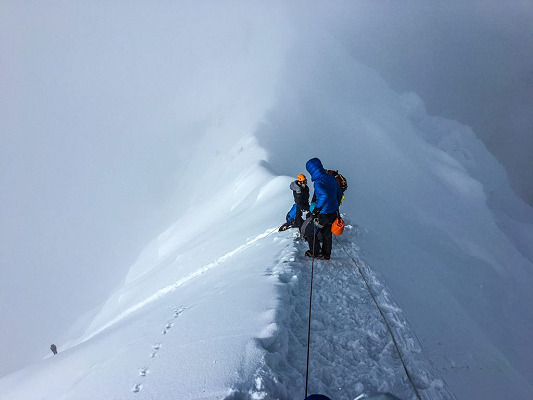
- A steep headwall near the summit requiring fixed-rope ascent
- Crevasse crossings on the glacier
- Long summit day (10–12 hours round trip)
Physical preparation tip: Start cardio and strength training at least 8–10 weeks before departure, including hiking with a loaded backpack.
Estimated Cost of Island Peak Climbing
| Cost Component | Approx. Range (USD) |
|---|---|
| Climbing Permit & Park Fees | $150 – $250 |
| Guide & Porter Services | $600 – $1,200 |
| Domestic Flights (Kathmandu–Lukla) | $350 – $400 (round trip) |
| Accommodation & Meals | $300 – $500 |
| Climbing Gear Rental (if needed) | $150 – $300 |
| Total Package Estimate | $1,800 – $3,000+ |
Prices vary based on group size, season, and service inclusions. For an accurate, up-to-date quote, view the full package here: Island Peak Climbing Package.
Other Popular Trekking Peaks to Consider
If Island Peak isn't the only summit on your bucket list, Himalaya Heart Treks & Expedition also offers these excellent trekking peaks in the Everest region:
Mera Peak (6,476 m)
The highest trekking peak in Nepal, Mera Peak offers non-technical climbing with one of the best panoramic views in the world — five 8,000m peaks visible from the summit, including Everest, Kanchenjunga, Lhotse, Makalu, and Cho Oyu.
Lobuche East Peak (6,119 m)
A fantastic training peak located near Everest Base Camp, Lobuche East offers a steeper technical challenge than Island Peak, with a narrow summit ridge and stunning close-up views of the Khumbu Glacier and Nuptse Wall.
Both peaks are popular add-ons or alternatives for climbers preparing for future Himalayan or 8,000m expeditions.
Tips for a Successful Summit
- Acclimatize properly — never skip rest days
- Practice with fixed ropes and ladders at Base Camp before summit day
- Start summit push before midnight to avoid afternoon winds
- Stay hydrated and eat energy-dense foods throughout the trek
- Climb with an experienced, licensed guide
- Carry a personal first-aid kit and altitude sickness medication (Diamox)
Frequently Asked Questions (FAQs)
1. How Difficult Is Island Peak Climbing?
Island Peak is rated moderate to challenging. It's non-technical in the trekking sections but becomes a genuine climb near the summit, with a steep headwall, fixed ropes, and a glacier crossing. Fit trekkers with no prior mountaineering background can succeed with proper training and acclimatization.
2. Do I Need Previous Climbing Experience for Island Peak?
No prior technical climbing experience is required. Your guide team will teach you how to use crampons, an ice axe, a harness, and fixed ropes during a hands-on training session at Base Camp before the summit push.
3. How High Is Island Peak?
Island Peak (Imja Tse) stands at 6,189 meters (20,305 feet) above sea level, located in the Everest (Sagarmatha) region of Nepal.
4. What Is the Best Time for Island Peak Climbing?
The two best climbing seasons are spring (March–May) and autumn (September–November), when the weather is most stable and skies are clearest. Winter and monsoon months are not recommended due to heavy snow, storms, and poor visibility.
5. How Long Does Island Peak Climbing Take?
Most Island Peak itineraries take 17–19 days round trip from Kathmandu, including acclimatization days, the trek to Base Camp, the summit climb, and the return journey.
6. How Much Does Island Peak Climbing Cost?
Island Peak climbing packages typically range from $1,800 to $3,000+, depending on group size, season, and service inclusions such as permits, guides, porters, and gear rental. See the [Island Peak Climbing Package](https://www.himalayaheart.com/trip/island-peak-climbing-6189-meters) for an accurate quote.
7. What Permits Are Required for Island Peak Climbing?
You'll need a Sagarmatha National Park Entry Permit, an Island Peak Climbing Permit issued by the Nepal Mountaineering Association, and a Khumbu Rural Municipality Entry Permit. Most guide companies arrange all of these as part of the package.
8. How Do I Prepare for Island Peak Climbing?
Start cardio and strength training 8–10 weeks before departure, including hiking with a loaded backpack, stair climbing, and endurance workouts. It also helps to practice basic rope and crampon skills beforehand, stay well-hydrated in the weeks leading up to travel, and break in your mountaineering boots.
9. What Level of Fitness Is Required for Island Peak Climbing?
A good-to-excellent level of cardiovascular fitness is required, since climbers trek for 6–7 hours daily at altitude before the summit push itself, which can take 10–12 hours round trip. Regular runners, hikers, or gym-goers with endurance training typically manage well.
10. Is Island Peak Climbing Safe for Beginners?
Yes — Island Peak is considered one of the safest and most beginner-friendly climbing peaks in Nepal when done with an experienced, licensed guide, proper acclimatization, and quality gear. It's a popular first climb for trekkers moving into mountaineering.
11. What Equipment Do I Need for Island Peak Climbing?
Essential gear includes a climbing harness, crampons, an ice axe, a helmet, mountaineering boots, a down jacket, a cold-rated sleeping bag, fixed-rope gloves, glacier goggles, and a headlamp (see the full checklist above). Much of this specialized gear can be rented in Kathmandu or Namche Bazaar.
12. How Do You Prevent Altitude Sickness on Island Peak?
Climb gradually with built-in acclimatization days, stay well hydrated, avoid alcohol, ascend slowly ("climb high, sleep low" where possible), and consider carrying Diamox after consulting a doctor. Recognizing early symptoms of AMS and communicating with your guide is essential.
13. What Is Summit Day Like on Island Peak?
Summit day starts around midnight or 1–2 a.m. to reach the top before afternoon winds pick up. Climbers cross a glacier, ascend a steep headwall using fixed ropes, and navigate a narrow summit ridge. The round trip from High Camp typically takes **10–12 hours.
14. Can I Combine Island Peak Climbing with Everest Base Camp Trek?
Yes — Island Peak is commonly combined with the Everest Base Camp Trek, since the route overlaps through Namche Bazaar, Tengboche, and Dingboche. This combination trip usually extends the itinerary by a few extra days.
15. How Can I Successfully Summit Island Peak?
Success comes down to proper acclimatization, physical preparation in advance, hands-on training with ropes and crampons at Base Camp, climbing with an experienced guide team, pacing yourself on summit day, and listening to your body throughout the trek.
Ready to Start Your Island Peak Adventure?
Island Peak is more than a climb — it's a life-changing journey through the heart of the Everest region, culminating in a summit day you'll never forget. With the right preparation, timing, and support team, standing atop Island Peak is well within reach.
📩 Book your Island Peak Climbing trip today with Himalaya Heart Treks & Expedition:
Also explore our Mera Peak and Lobuche East Peak climbing packages for your next Himalayan challenge